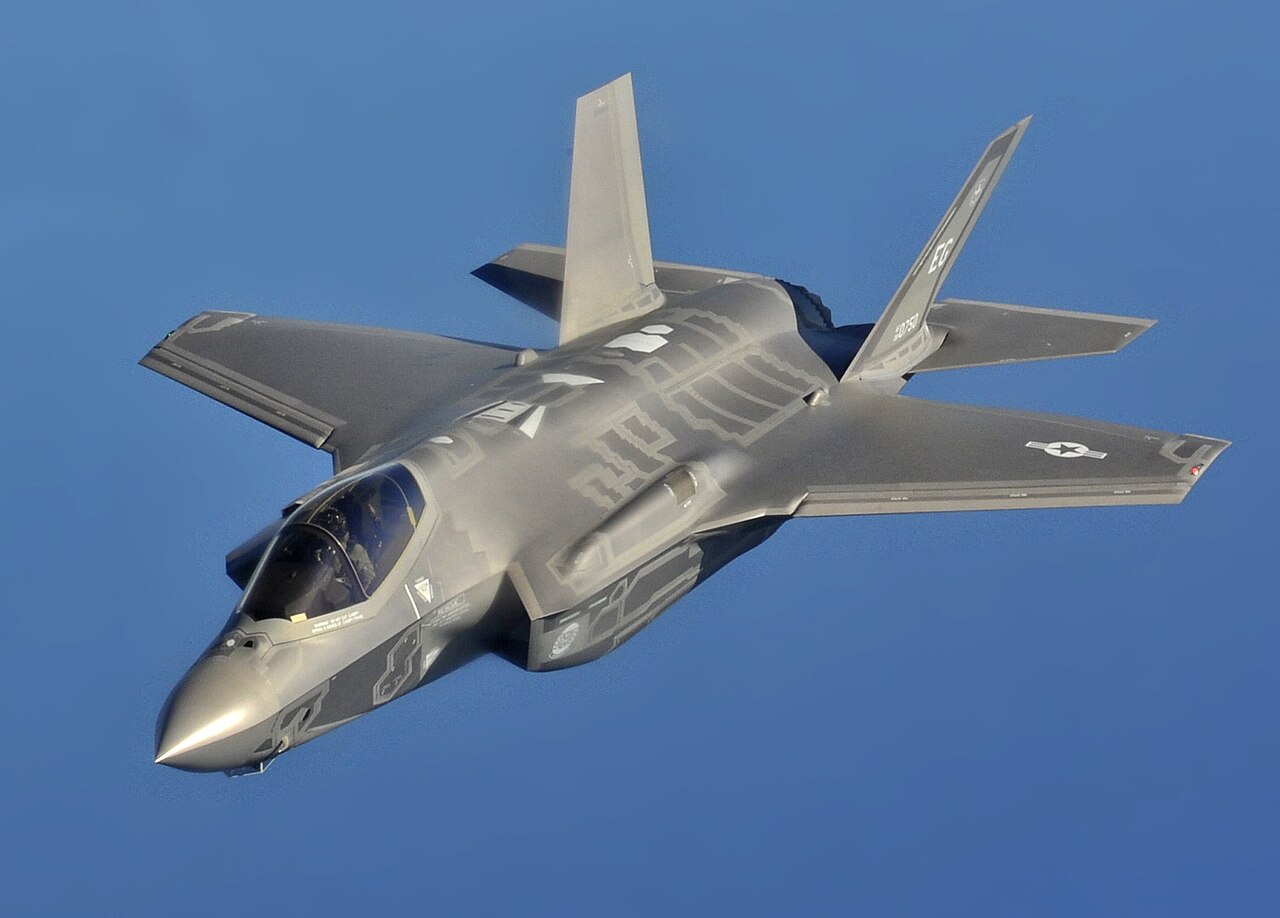
The most-produced fifth-generation fighter in the world has a readiness problem. A Government Accountability Office report released on June 11, 2026 found that the F-35 fleet’s mission-capable rate — the percentage of time an aircraft can perform at least one of its tasked missions — has fallen from 67% in FY2021 to just 44% in FY2025.
The full-mission-capable rate, measuring the percentage of time an aircraft can perform all of its tasked missions, fell from 38% in FY2021 to 25% in FY2025. This does not mean that one fixed aircraft in four is always ready.
What’s Driving the Decline
The GAO pointed to a familiar mix of problems: chronic spare-parts shortages, delays in the Block 4 software and hardware upgrade, and an over-reliance on contractors for maintenance that the services cannot easily scale. It said the Pentagon’s new sustainment strategy will need an extra $13.7 billion through FY2031 to bend the curve back.
A day after the report landed, the Navy awarded Lockheed Martin a $2.29 billion contract to stand up new F-35 operating and sustainment sites — a sign the money is already starting to move.
The Bigger Picture
With well over a thousand F-35s now delivered across the U.S. and allied air forces, sustainment is no longer a side issue — it is the program. Buying the jet was always the easy part; keeping a global fleet flying affordably is the challenge that will define the F-35’s next decade.