On June 12, 2026 — Russia Day — Ukraine sent its long-range strike drones deep into Russian territory, hitting targets more than 1,100 kilometres from the front line. The raid struck the TANEKO and TAIF-NK refineries at Nizhnekamsk in Tatarstan and the Tolyattikauchuk plant in Samara, which produces synthetic rubber used in solid rocket fuel.
A Widening Drone War
Russia’s defence ministry claimed it shot down 231 drones across more than 15 regions in a single night — a figure that, even if inflated, underlines the sheer scale of the campaign. Independent monitors reported damage to crude-distillation units and a tank farm, and four people were hospitalised after a residential building was hit.
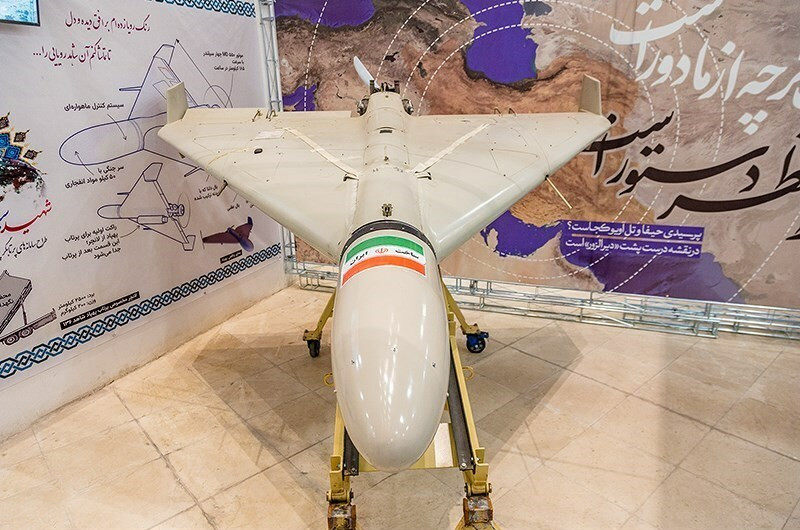
The strike is the latest in a pattern that has redefined modern warfare: cheap, long-range one-way attack drones reaching strategic infrastructure once considered far out of reach. The same family of weapons that began with the Iranian-designed Shahed-136 has pushed both sides to build ever-deeper strike capability.
Why It Matters
Refineries and petrochemical plants are high-value targets because they are slow and expensive to repair and central to both the civilian economy and the war effort. By reaching 1,100 km on a symbolic national holiday, Ukraine signalled that almost no part of Russia’s industrial heartland is safely beyond range — a strategic message as much as a tactical one.
This report is part of the Drones & UAVs Encyclopedia — the hub connecting our coverage of loitering munitions, deep-strike drones, and the loyal wingmen now flying alongside crewed fighters.