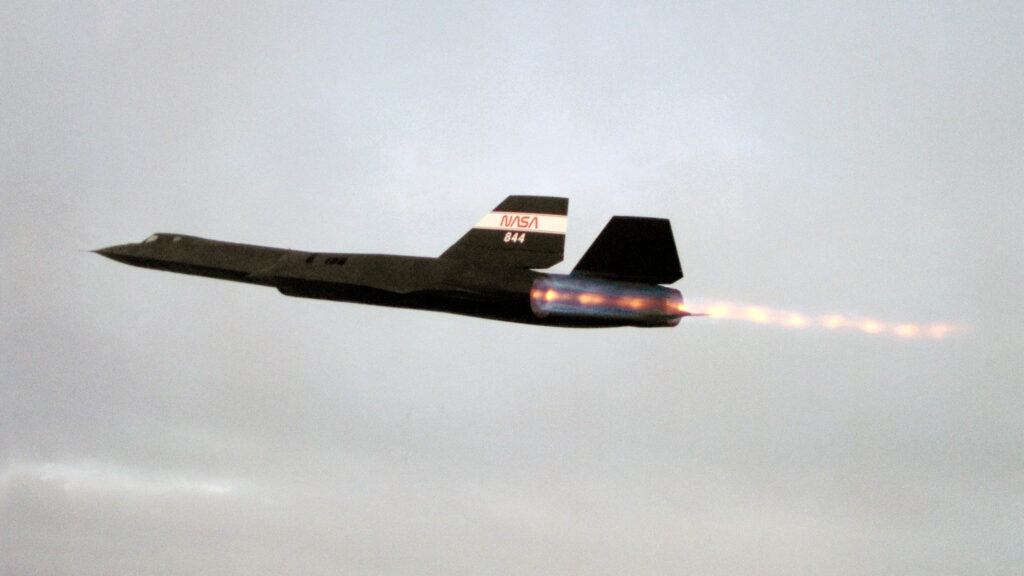
Program Watch · 2026
In Development
The Future of Supersonic & Hypersonic Flight
Aircraft currently being designed, tested, or built — the next revolution in aviation
Note
Information on these programs is based on publicly available data. Many details remain classified. Specifications are estimated or projected and may change as development progresses. Dates for future aircraft are program targets, not completed milestones or guaranteed service-entry dates. X-59’s flight status was checked on September 8, 2026; other program schedules below are provisional.
Military Programs
Next-generation fighters and hypersonic strike aircraft racing to define air power in the 2030s
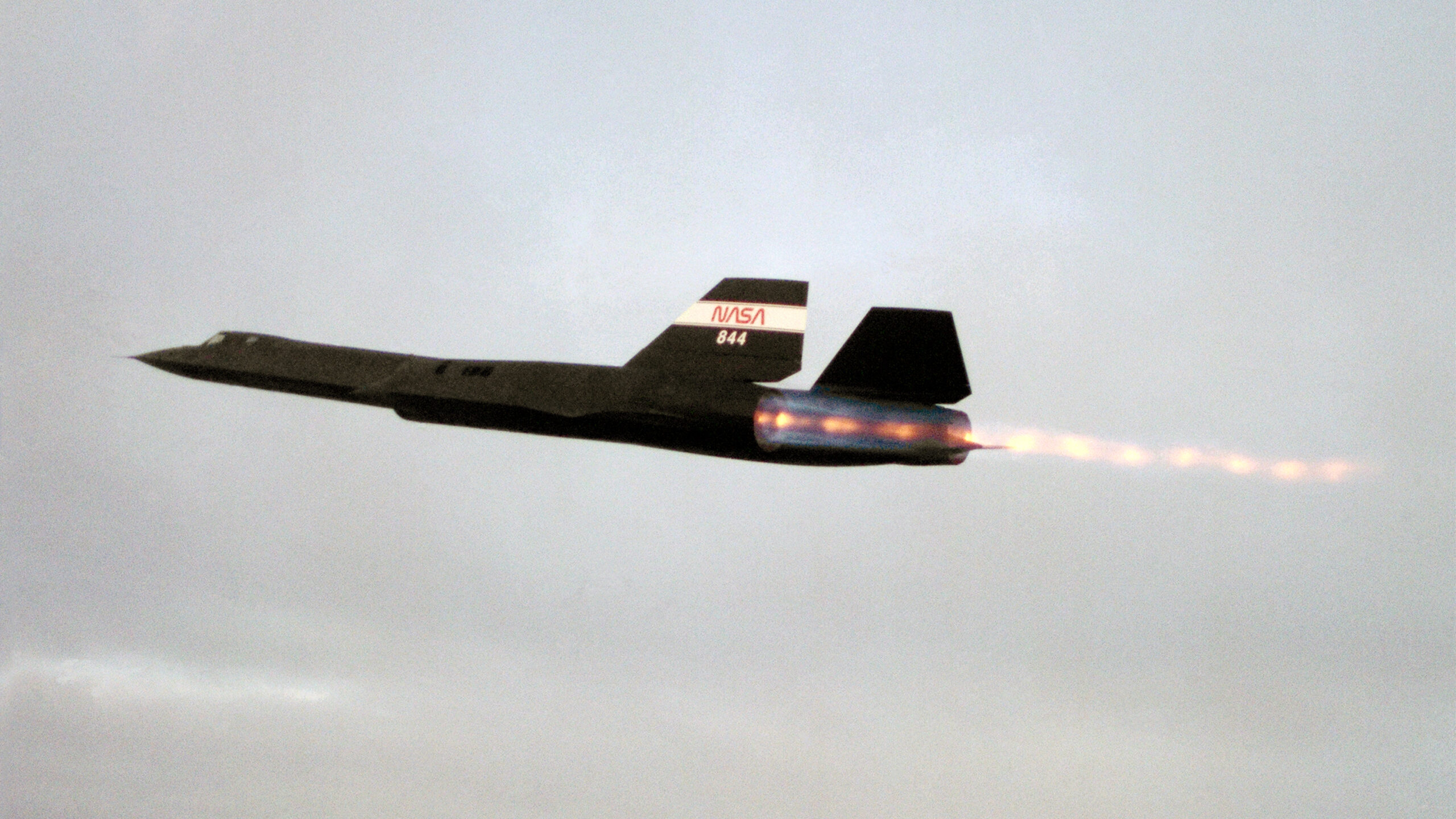
SR-72 “Son of Blackbird”
Lockheed Martin Skunk Works
Hypersonic ISR and strike aircraft — the SR-71’s successor. Revolutionary TBCC propulsion pairs a turbine with a scramjet to reach any point on Earth in under two hours.
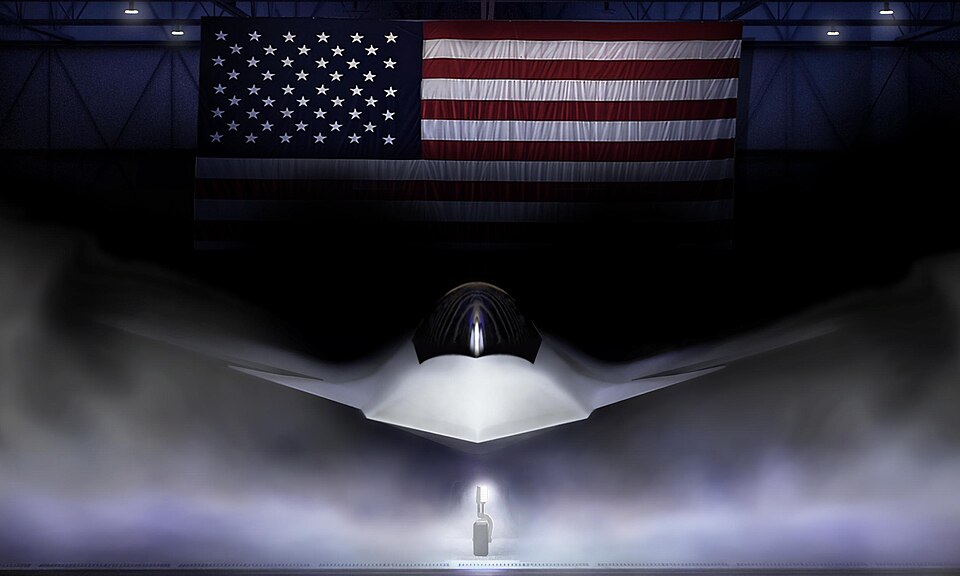
F-47 NGAD
Boeing
America’s next air-dominance fighter, replacing the F-22. AI integration, loyal-wingman drone control and adaptive-cycle engines in a system-of-systems design.
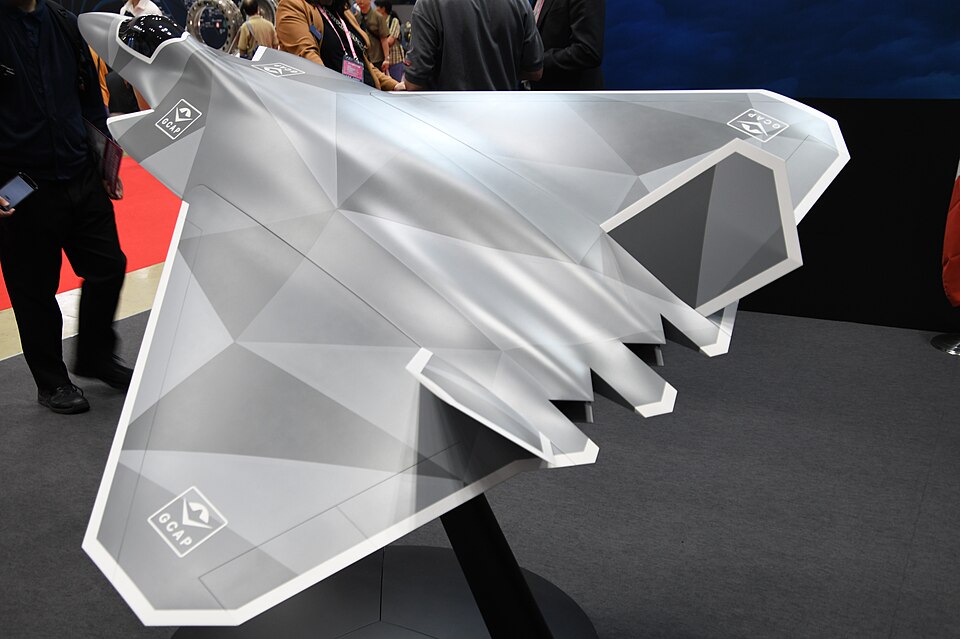
Tempest / GCAP
BAE Systems · MHI · Leonardo
UK–Japan–Italy sixth-gen program with adaptive stealth, quantum-enhanced sensors and an AR virtual cockpit. Set to replace the Eurofighter Typhoon and F-2.
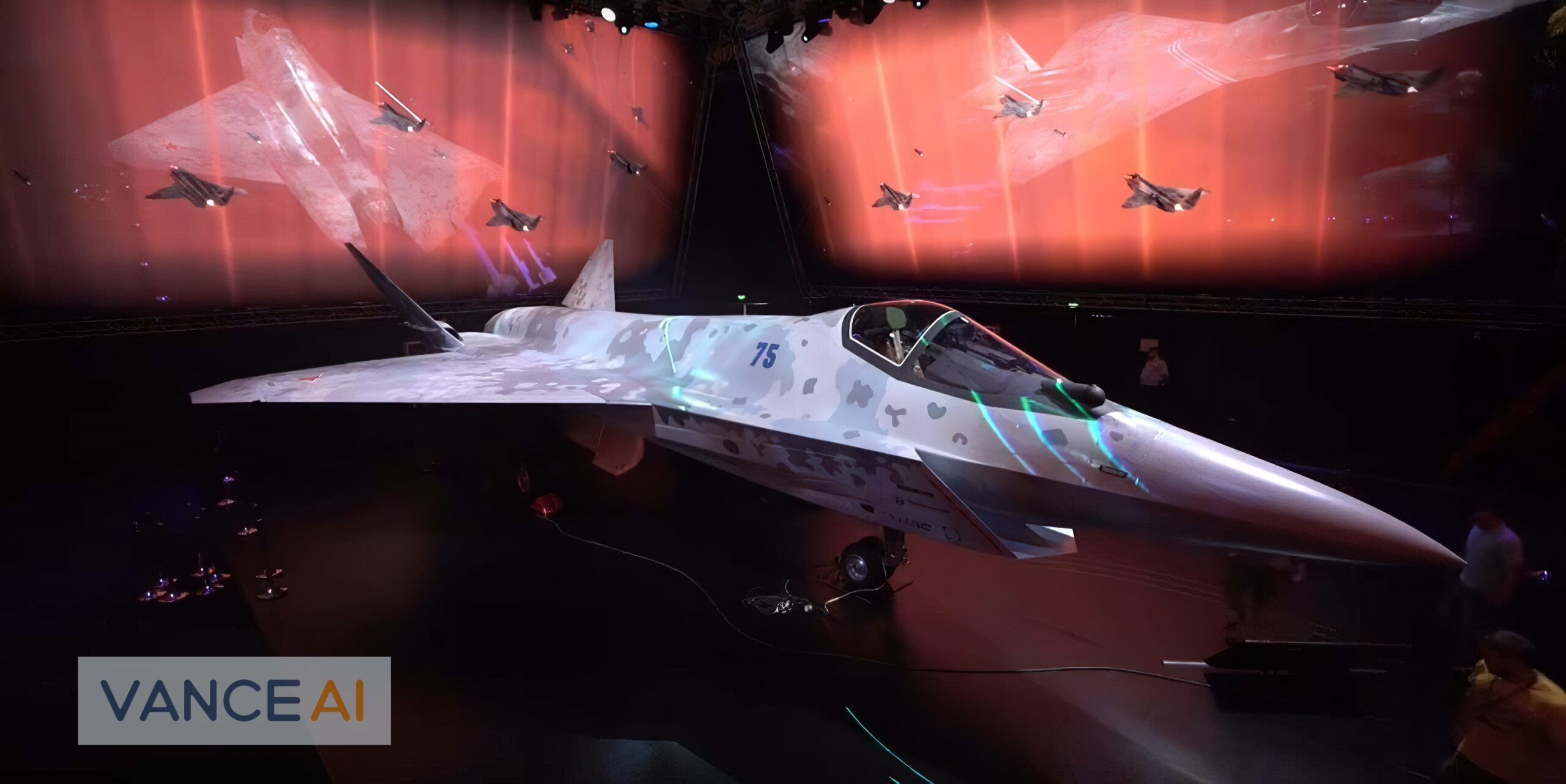
Su-75 Checkmate
Sukhoi / Rostec
Russia’s single-engine light tactical fighter built for export. Stealth shaping, open avionics architecture and AI-assisted logistics — still awaiting first flight.
Commercial & Experimental
Quieter, cleaner and faster than Concorde — the programs bringing supersonic flight back to passengers
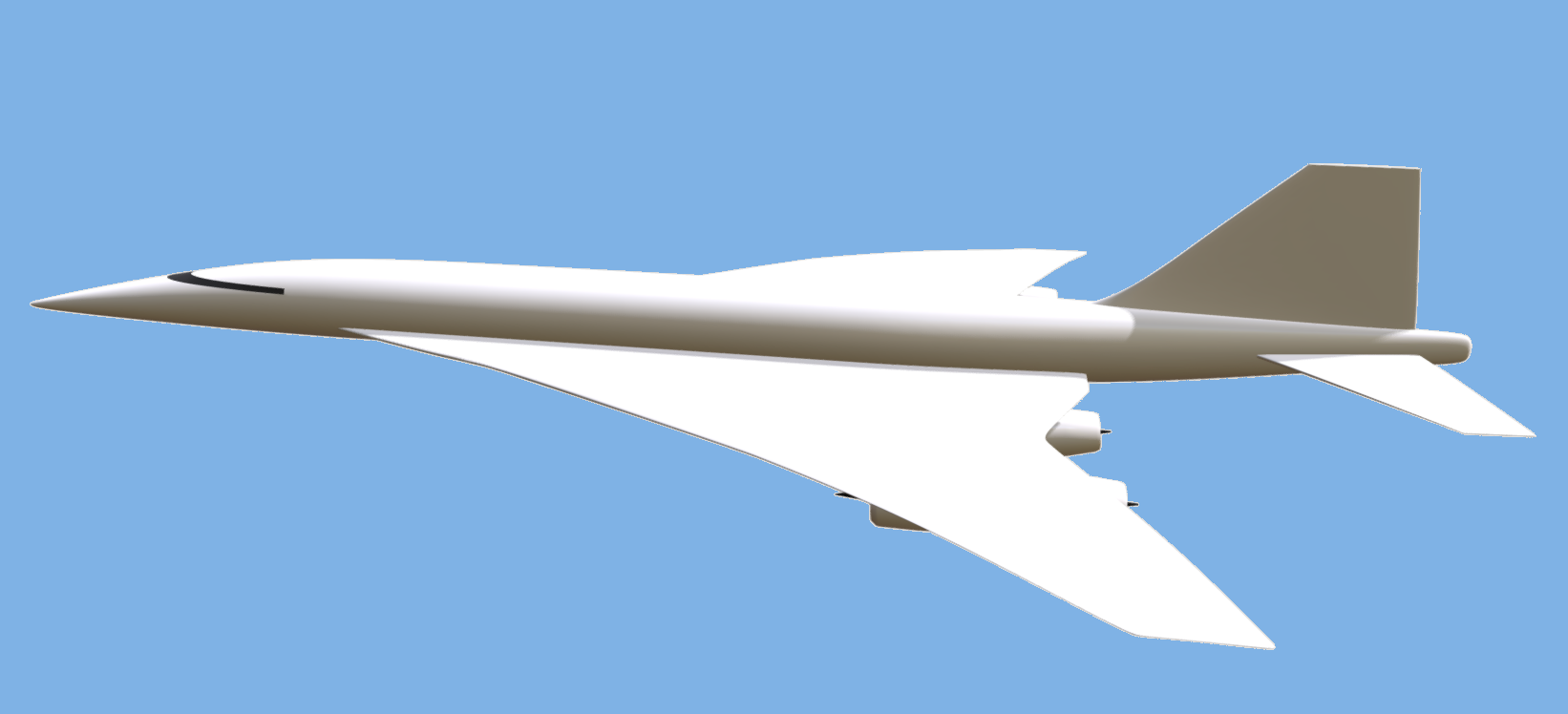
Boom Overture
Boom Supersonic · 64–80 passengers
The Concorde’s spiritual successor: New York to London in 3.5 hours on 100% sustainable fuel. Orders from American, United and Japan Airlines — and the XB-1 demonstrator has already flown supersonic.
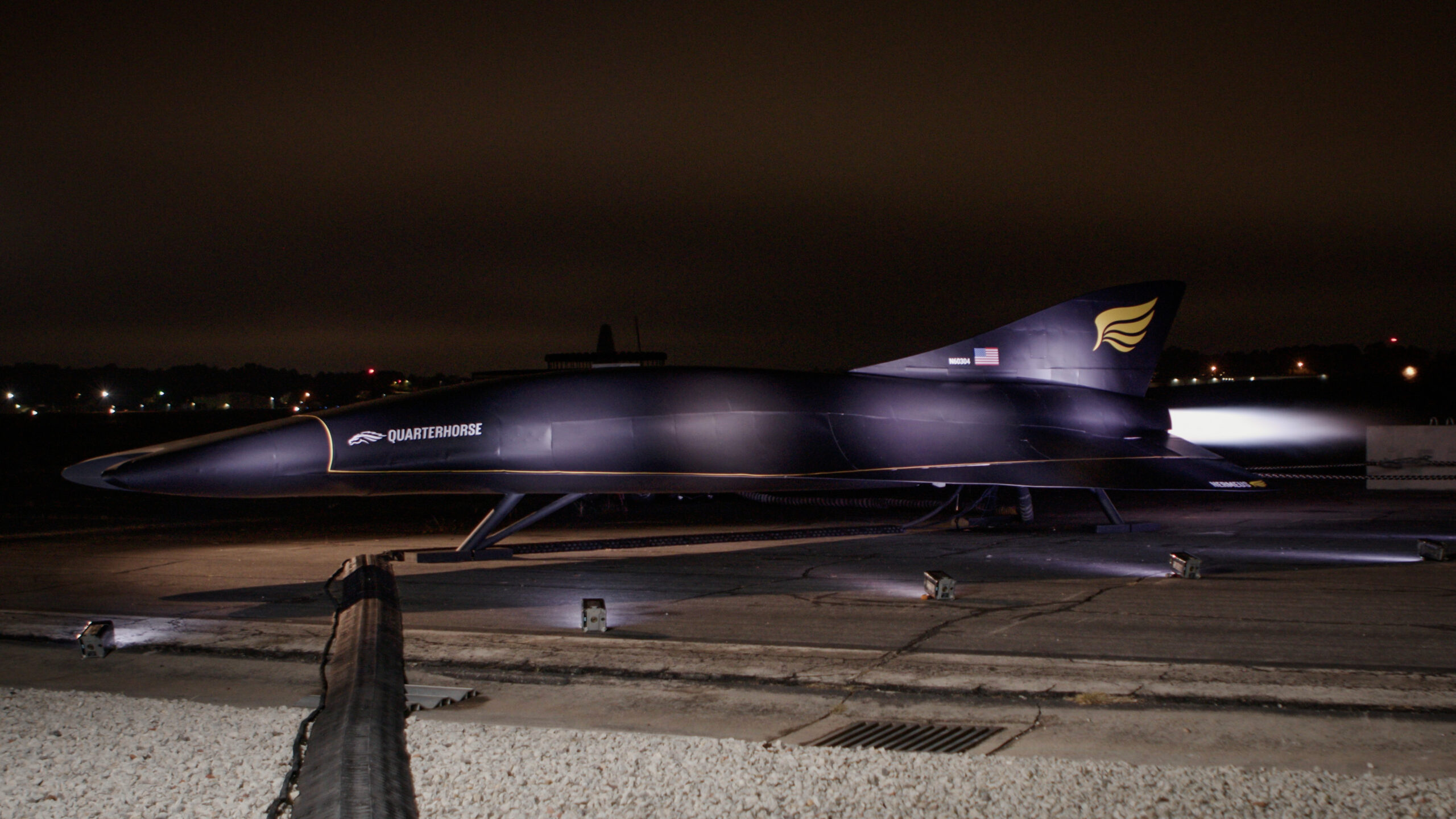
Hermeus Halcyon
Hermeus · 20 passengers
A hypersonic airliner — New York to London in 90 minutes. The Chimera turbojet-to-ramjet engine has been ground-tested, with USAF backing and the Quarterhorse demonstrator in build.
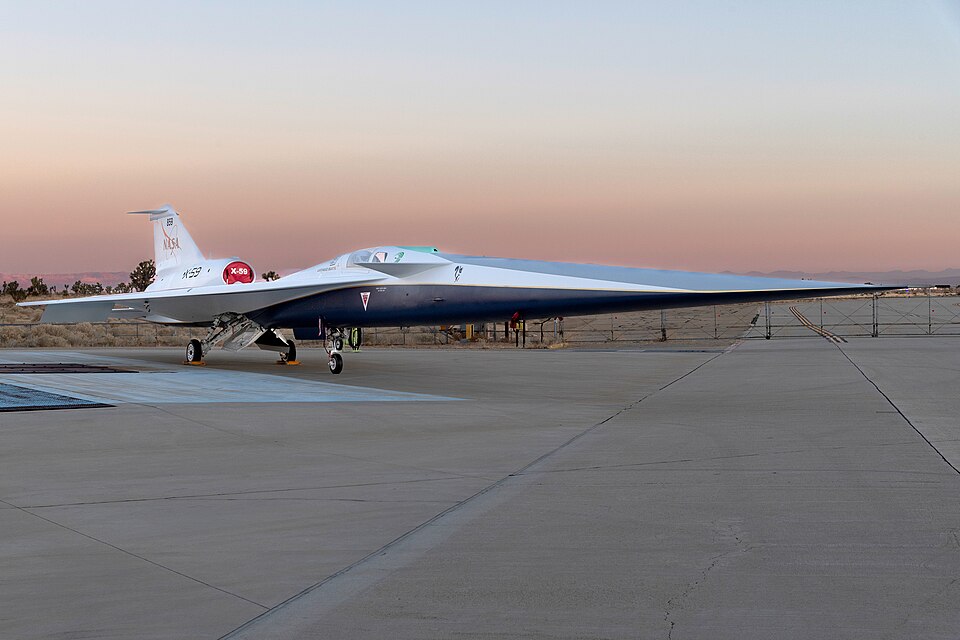
X-59 QueSST
NASA · Lockheed Martin
NASA reports 25 flights through August 21, 2026. Mach 1.4 mission conditions have been reached; dedicated acoustic validation remains ahead.
Development Timeline
NASA: X-59 first flight in 2025 · NASA: 2026 test progressKey programs compared — first flights, service entry and current status
| Aircraft | Type | Speed | First Flight | Service Entry | Status |
|---|---|---|---|---|---|
| X-59 QueSST | Quiet SST Demonstrator | Mach 1.4 achieved | 28 Oct 2025 | Research only | Flight testing |
| Boom Overture | SST Airliner | Mach 1.7 | 2030 | 2031 | Demonstrator flying |
| Chengdu J-36 | 6th-Gen Fighter | Classified | 2024 | ~2030s | Flight testing |
| F-47 NGAD | 6th-Gen Fighter | ~Mach 2.5 | ~2028 | Early 2030s | In development |
| SR-72 | Hypersonic ISR / Strike | Mach 6 target | Not confirmed here | Not confirmed | Classified |
| Hermeus Halcyon | Hypersonic Airliner | Mach 5 | 2030s | Late 2030s | Engine tested |
| Tempest / GCAP | 6th-Gen Fighter | ~Mach 2.5 | ~2032 | 2035 | Early development |
| Su-75 Checkmate | 5th-Gen Light Fighter | Mach 1.8 | TBD | TBD | Prototype |
The Future Is Faster
Several programs aim to advance high-speed aviation during the 2030s, but their schedules and eventual capabilities remain uncertain. The technologies being developed today — scramjets, adaptive stealth, AI integration and sustainable supersonic travel — will reshape how we fly, fight and connect the world.