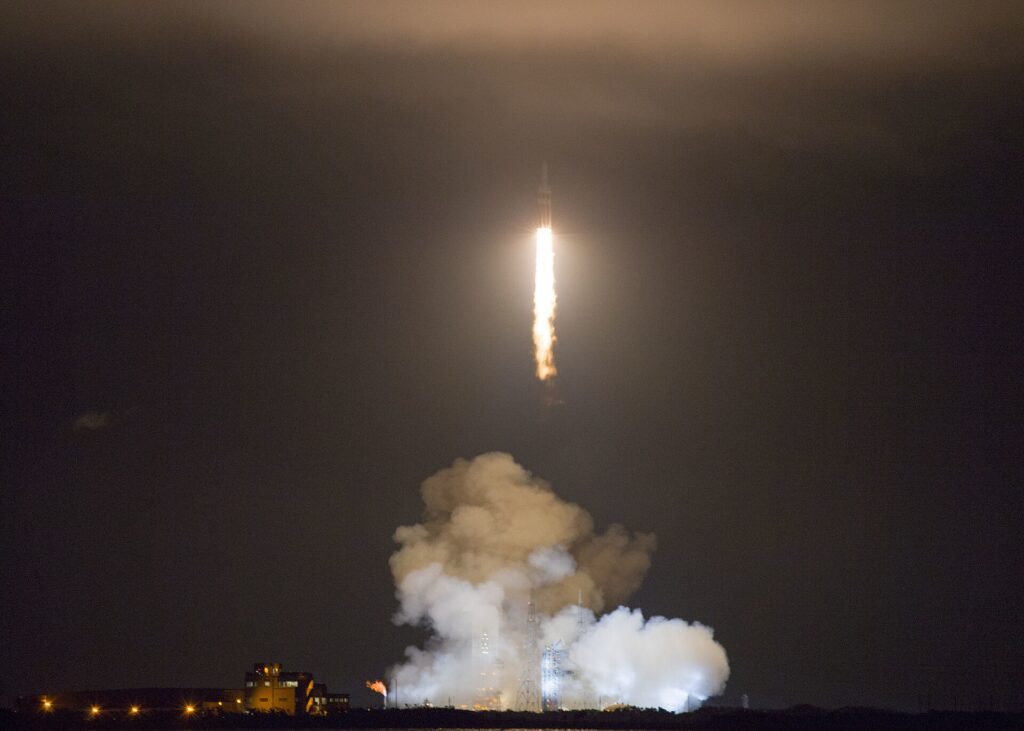
Parker Solar Probe
The fastest human-made object ever: NASA’s Sun-skimming probe hit 692,000 km/h in December 2024, flying just 6.1 million km above the solar surface.
The fastest human-made object ever: NASA’s Sun-skimming probe hit 692,000 km/h in December 2024, flying just 6.1 million km above the solar surface.
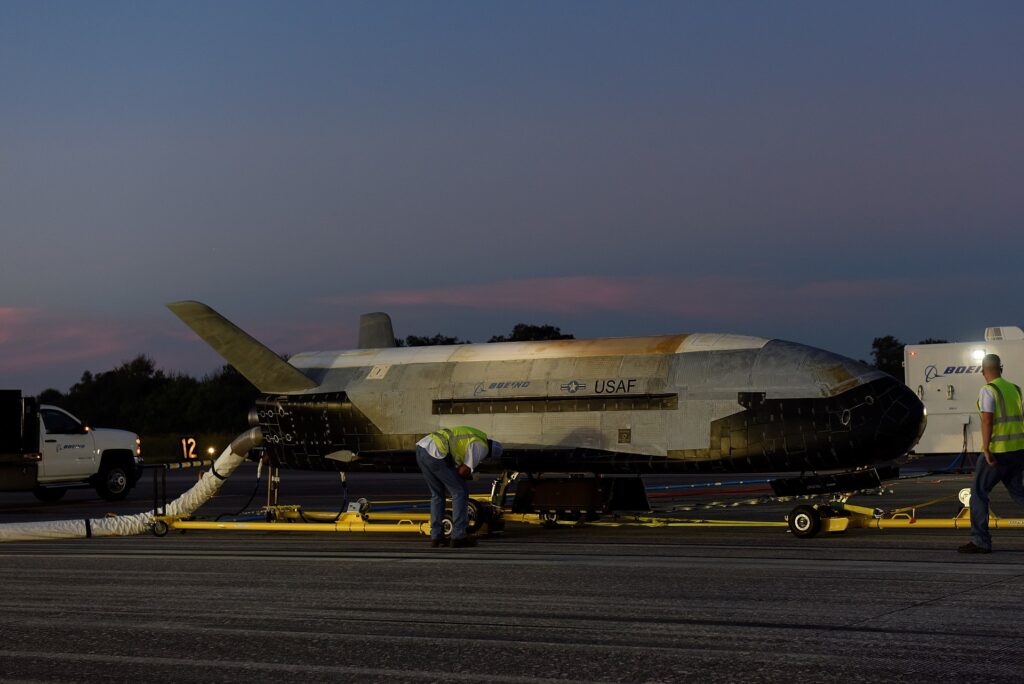
The U.S. Space Force’s reusable robotic mini-shuttle has flown seven secretive missions since 2010, one lasting 908 days before an autonomous runway landing.
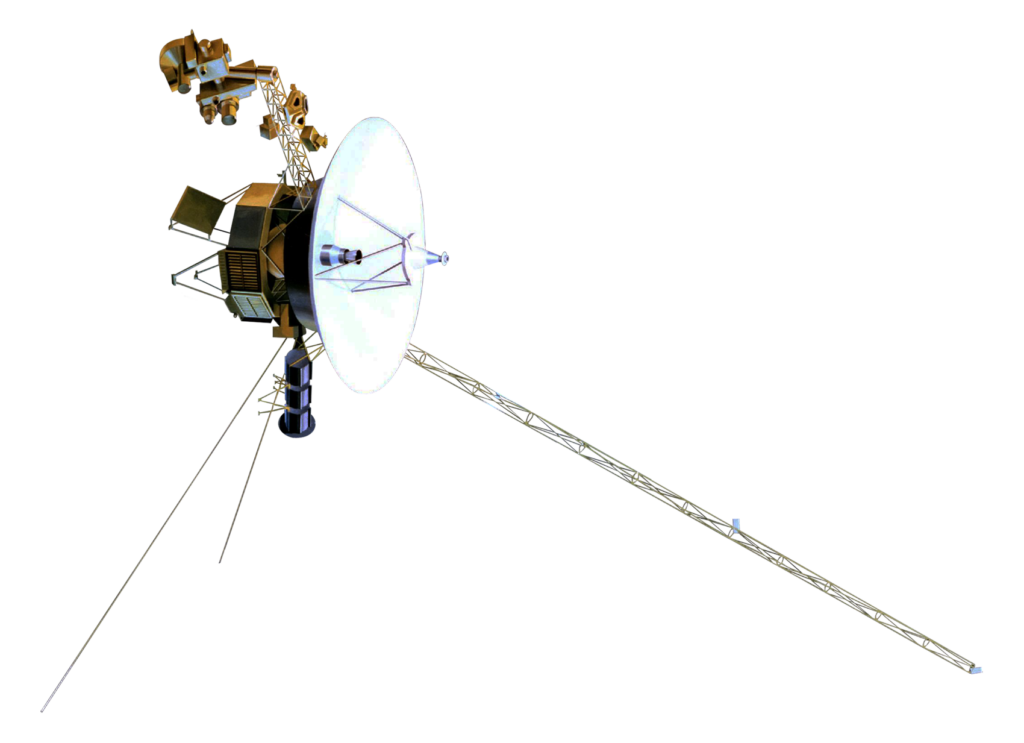
Launched in 1977, Voyager 1 is the farthest human-made object — more than 24 billion km away and still calling home from interstellar space.
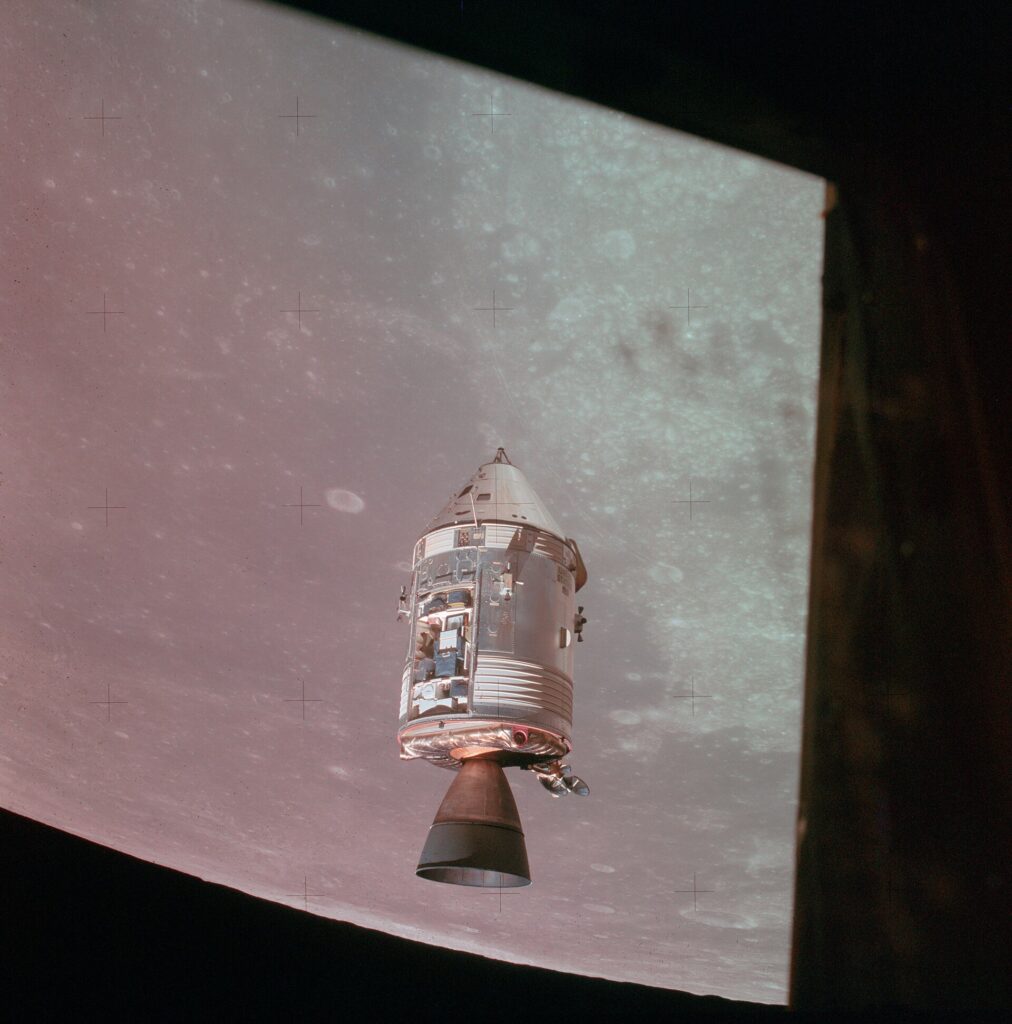
The three-man spacecraft that carried every Apollo crew to the Moon, returning at a record 39,897 km/h — still the fastest humans have ever traveled.
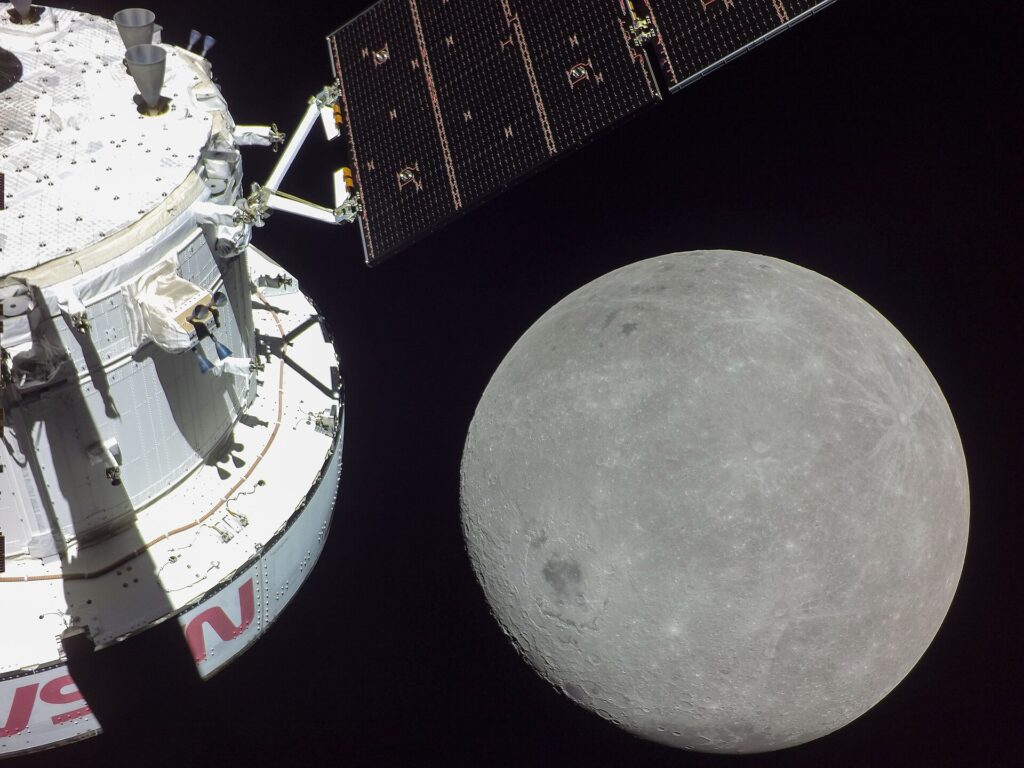
NASA’s deep-space capsule for Artemis Moon missions carries four astronauts, and on Artemis I in 2022 flew 432,210 km from Earth — a crew-spacecraft record.
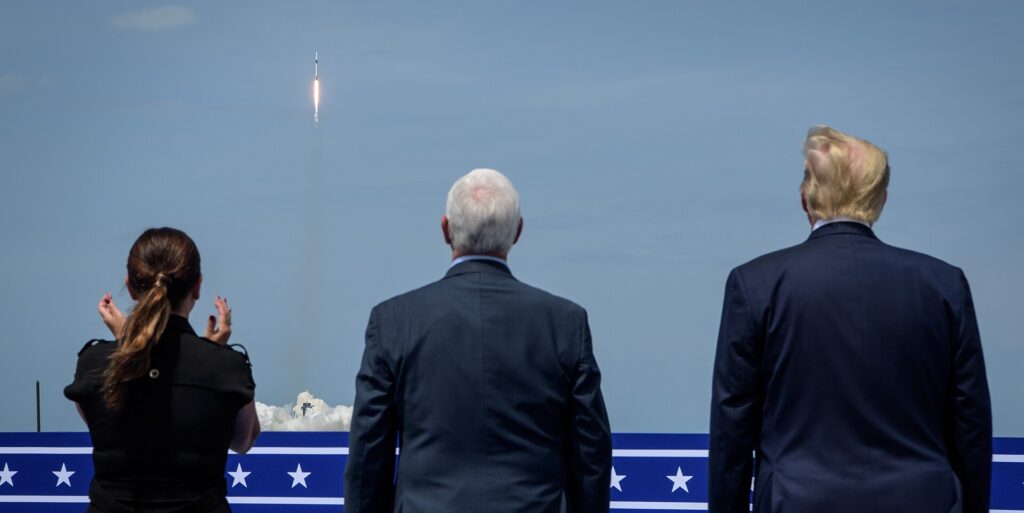
SpaceX’s Dragon 2 capsule ended America’s nine-year crew-launch gap in 2020 and now flies four astronauts at a time to the ISS — reusable and fully autonomous.
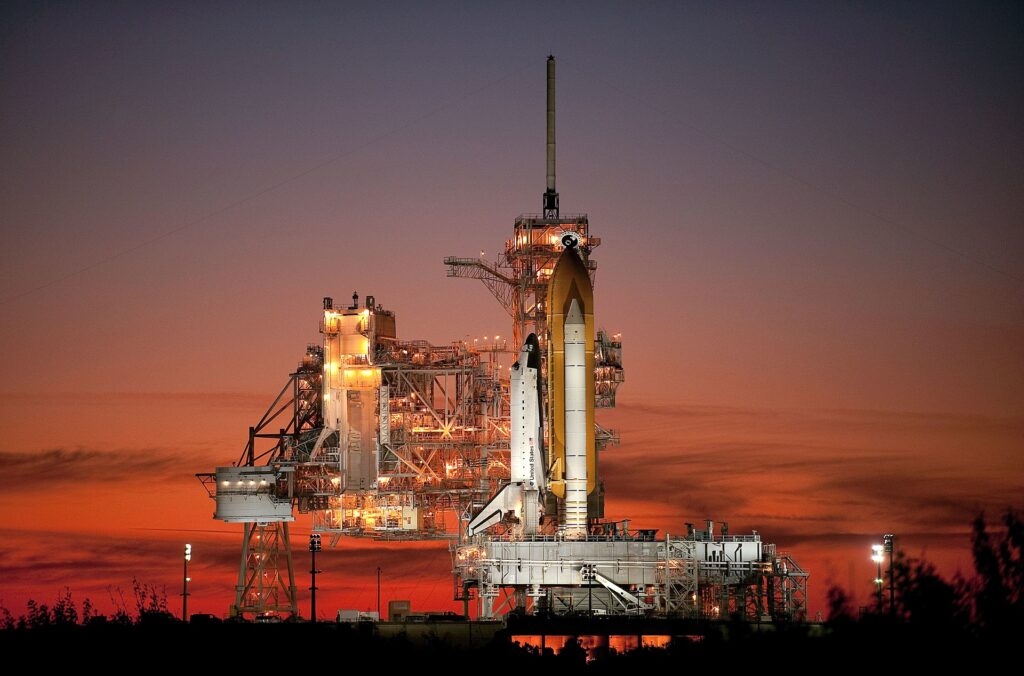
NASA’s partially reusable space plane flew 135 missions from 1981 to 2011, hauling 27,500 kg to orbit and carrying more than 350 astronauts.
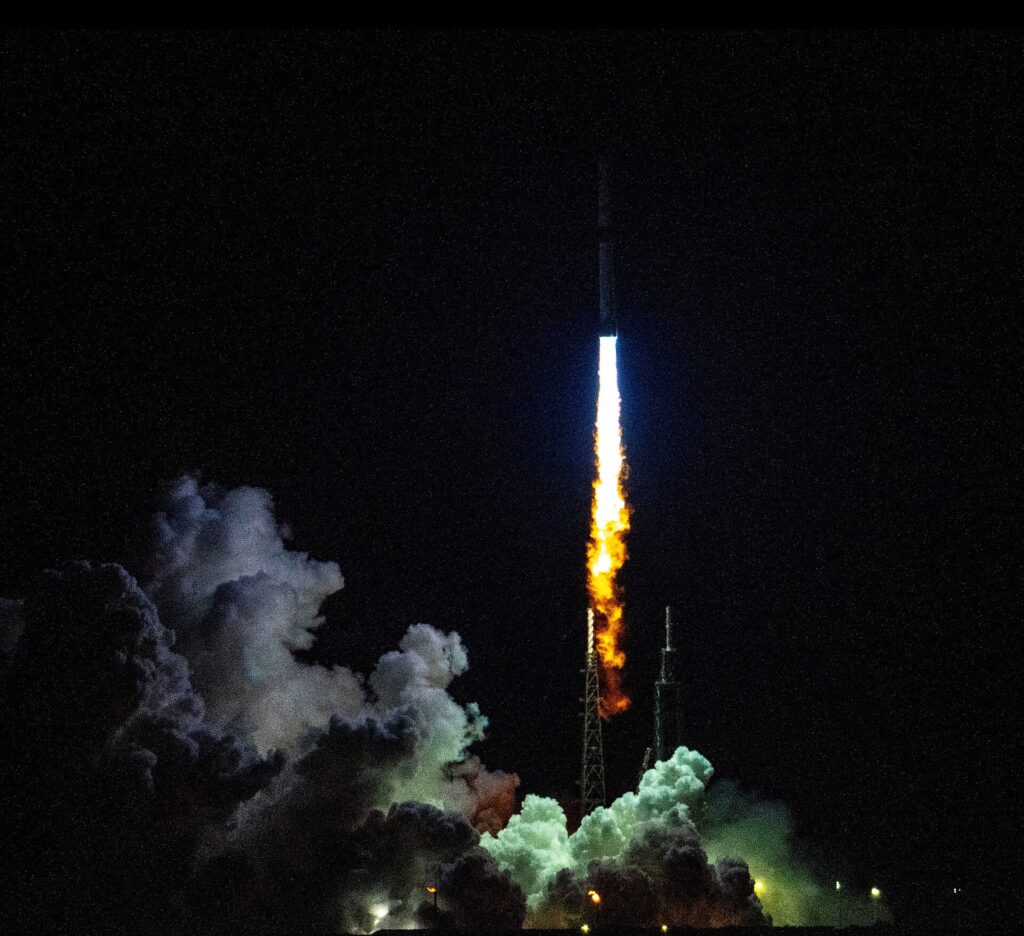
Blue Origin’s 98 m partially reusable heavy rocket reached orbit on its January 2025 debut and can carry 45,000 kg to low Earth orbit.
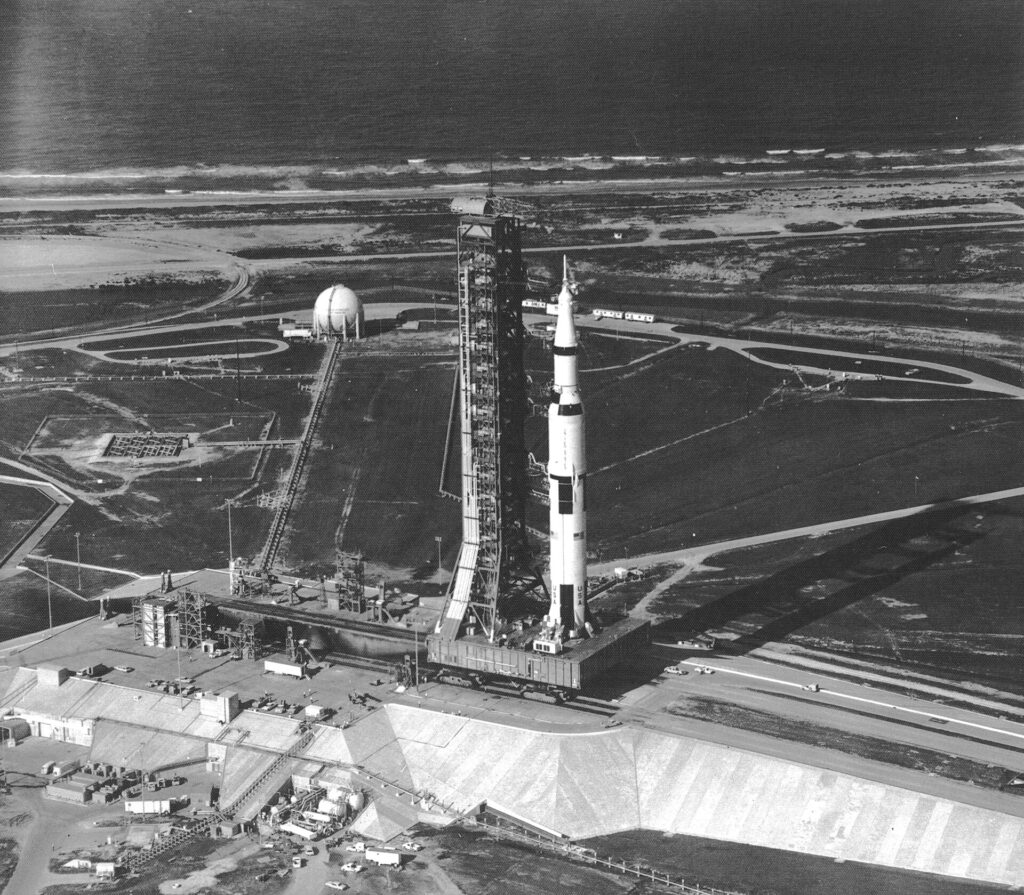
NASA’s 110.6 m Moon rocket launched every Apollo lunar mission and Skylab, sending 140,000 kg to orbit and never losing a crew or payload in 13 flights.
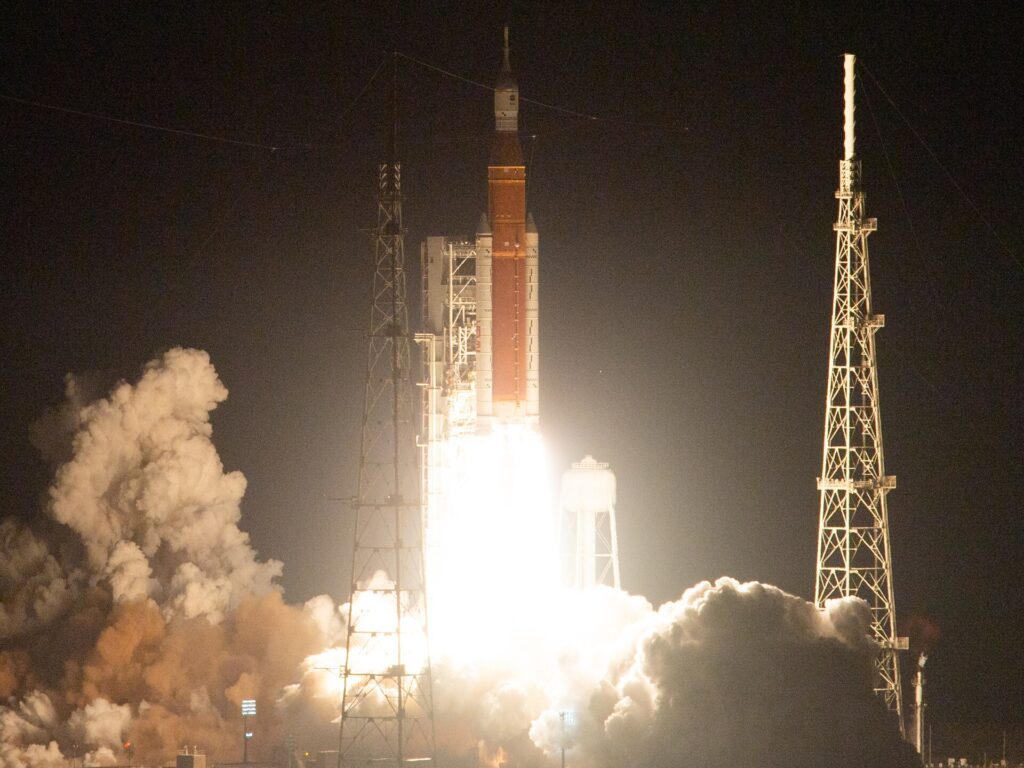
NASA’s Moon rocket for Artemis: 98 m tall, 39,100 kN at liftoff — more thrust than Saturn V — and 95,000 kg to low Earth orbit.