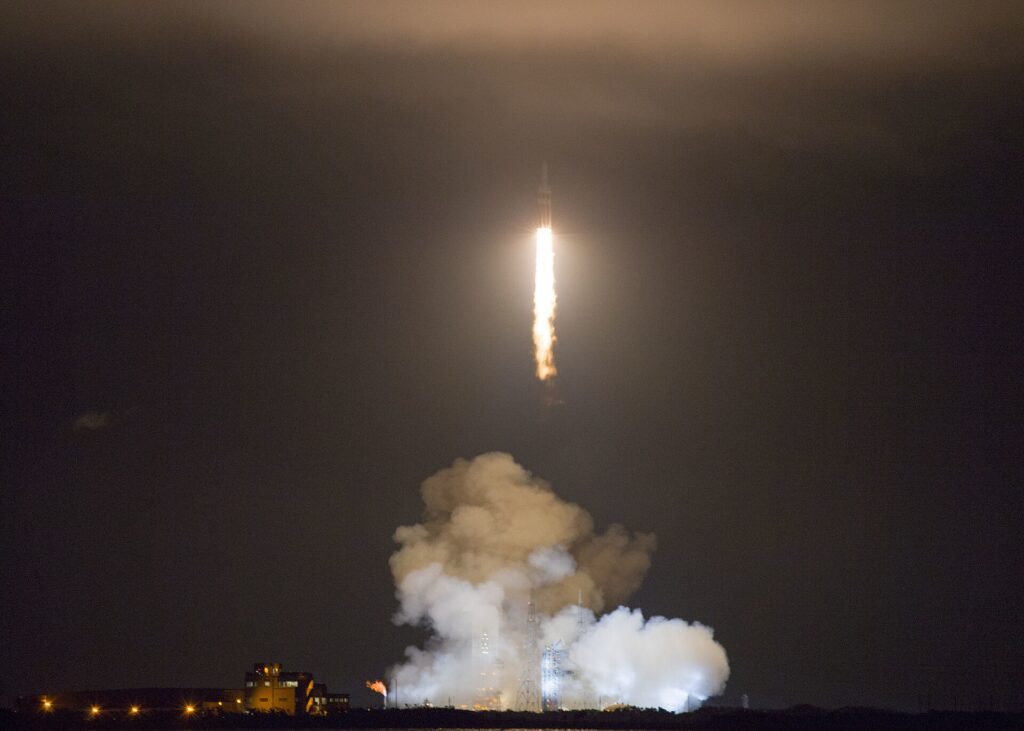
Parker Solar Probe
The fastest human-made object ever: NASA’s Sun-skimming probe hit 692,000 km/h in December 2024, flying just 6.1 million km above the solar surface.
The fastest human-made object ever: NASA’s Sun-skimming probe hit 692,000 km/h in December 2024, flying just 6.1 million km above the solar surface.
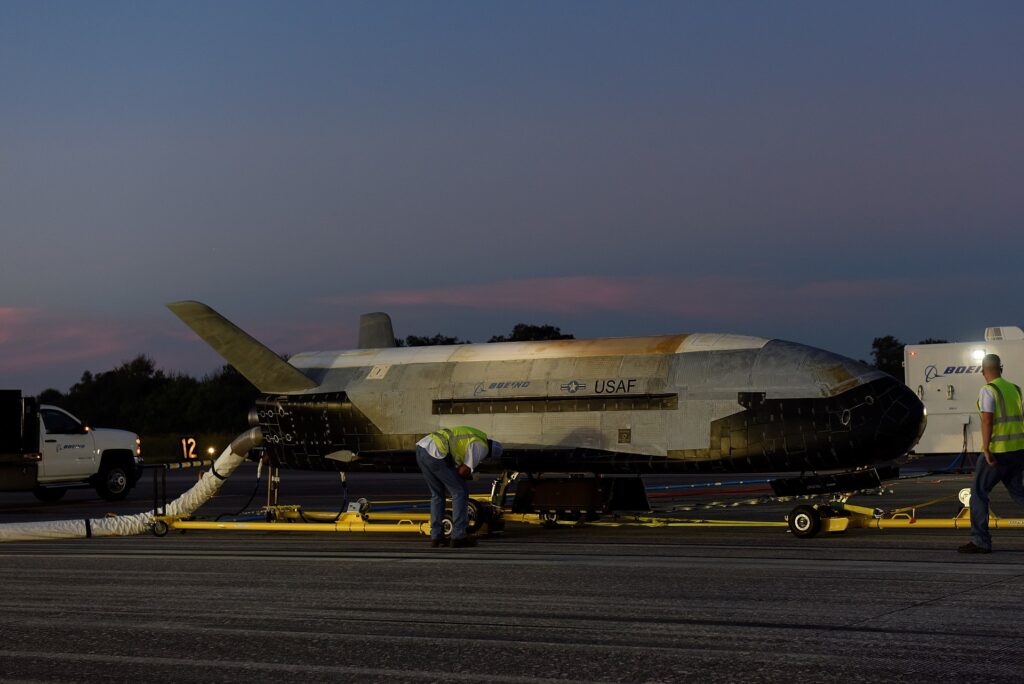
The U.S. Space Force’s reusable robotic mini-shuttle has flown seven secretive missions since 2010, one lasting 908 days before an autonomous runway landing.
China’s three-module, roughly 100-tonne space station, assembled in orbit between 2021 and 2022, hosts rotating three-person crews about 390 km above Earth.
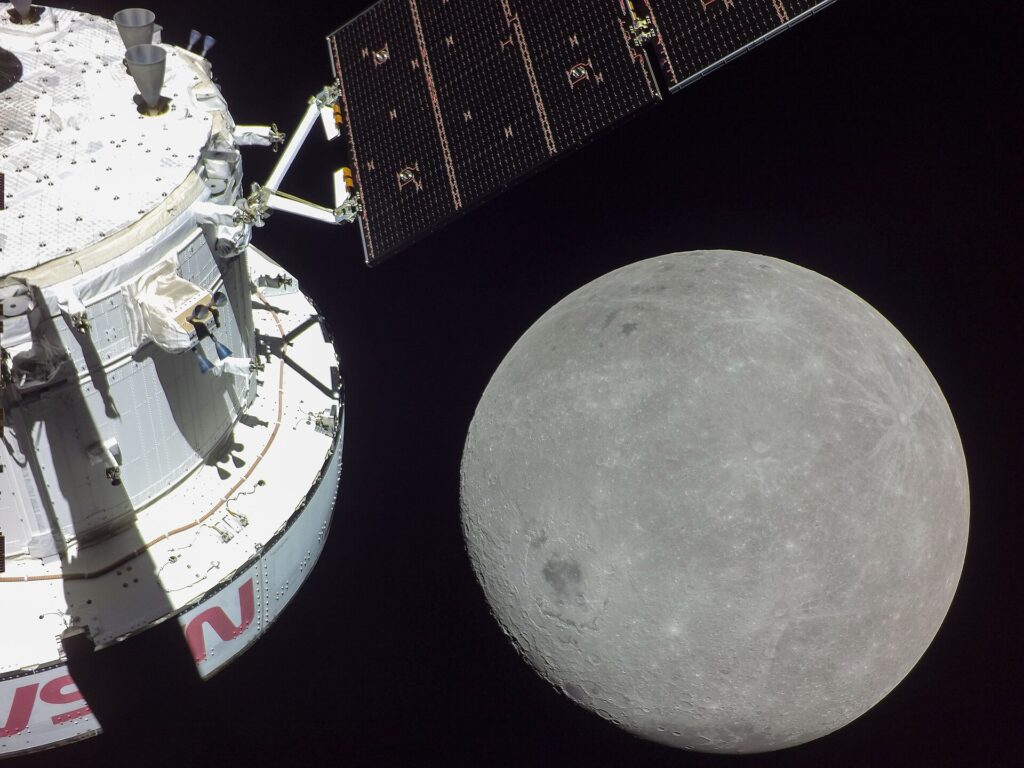
NASA’s deep-space capsule for Artemis Moon missions carries four astronauts, and on Artemis I in 2022 flew 432,210 km from Earth — a crew-spacecraft record.
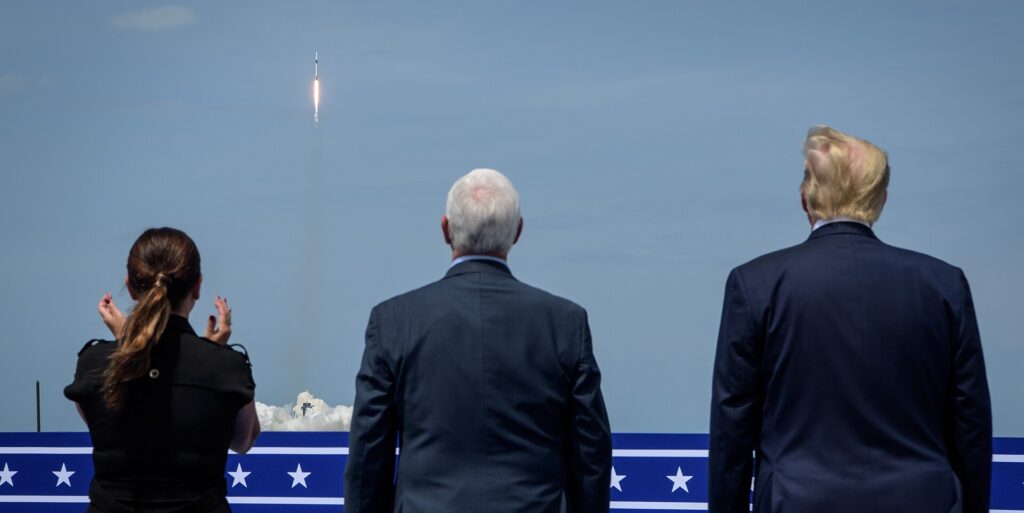
SpaceX’s Dragon 2 capsule ended America’s nine-year crew-launch gap in 2020 and now flies four astronauts at a time to the ISS — reusable and fully autonomous.
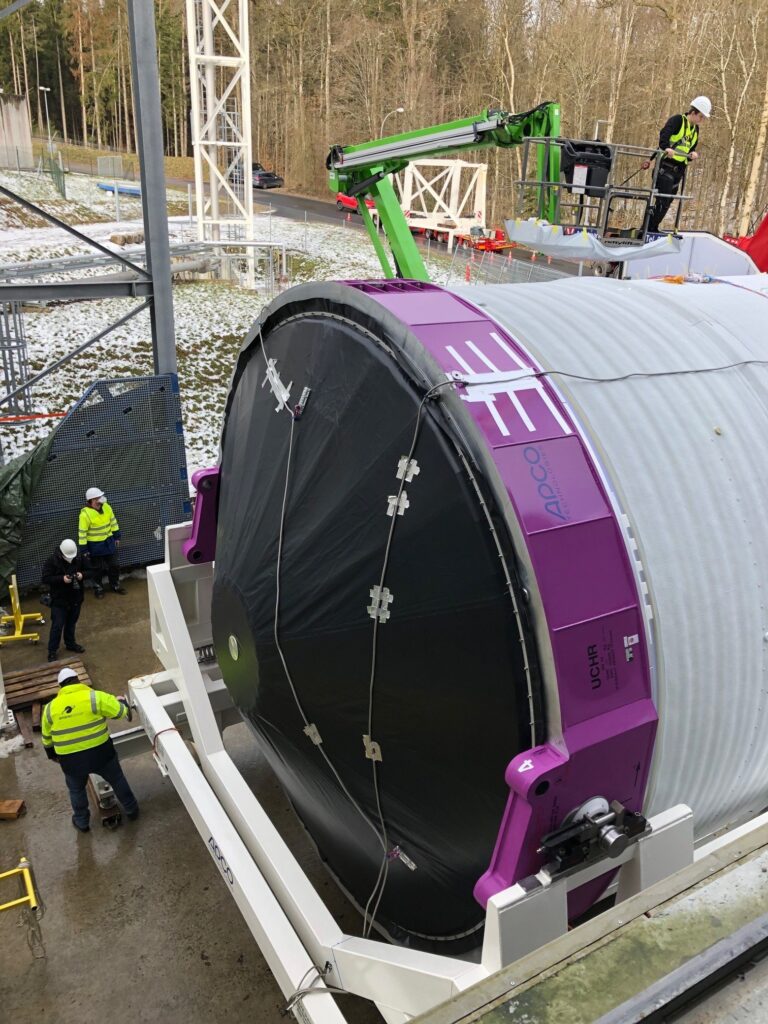
Europe’s new heavy-lift rocket, flying since July 2024: two or four boosters, up to 21,650 kg to low orbit and 11,500 kg toward geostationary transfer.
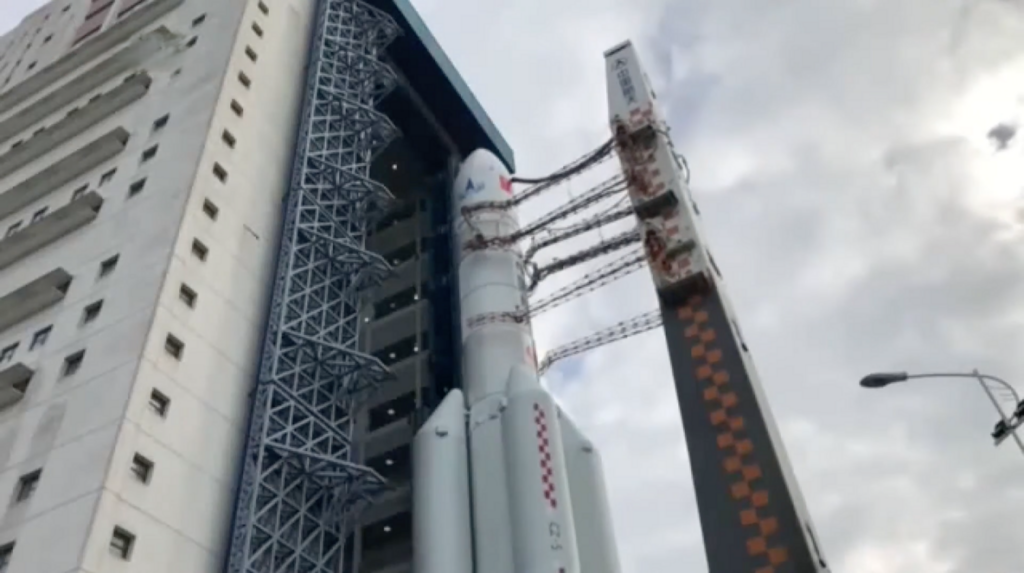
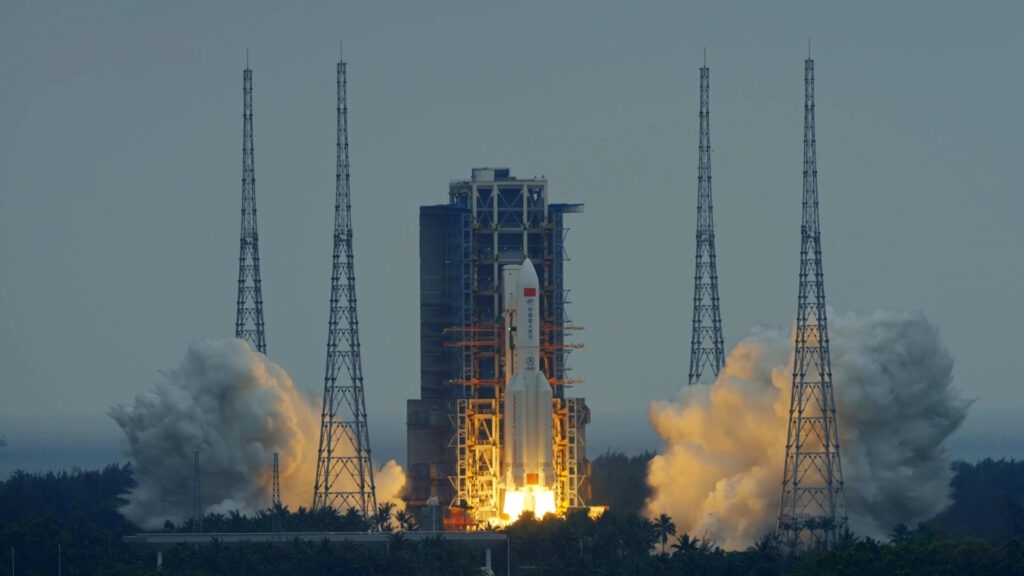
China’s most powerful operational rocket lifts 25,000 kg to low Earth orbit and launched the Tiangong station modules, Chang’e Moon missions and Tianwen-1 to Mars.
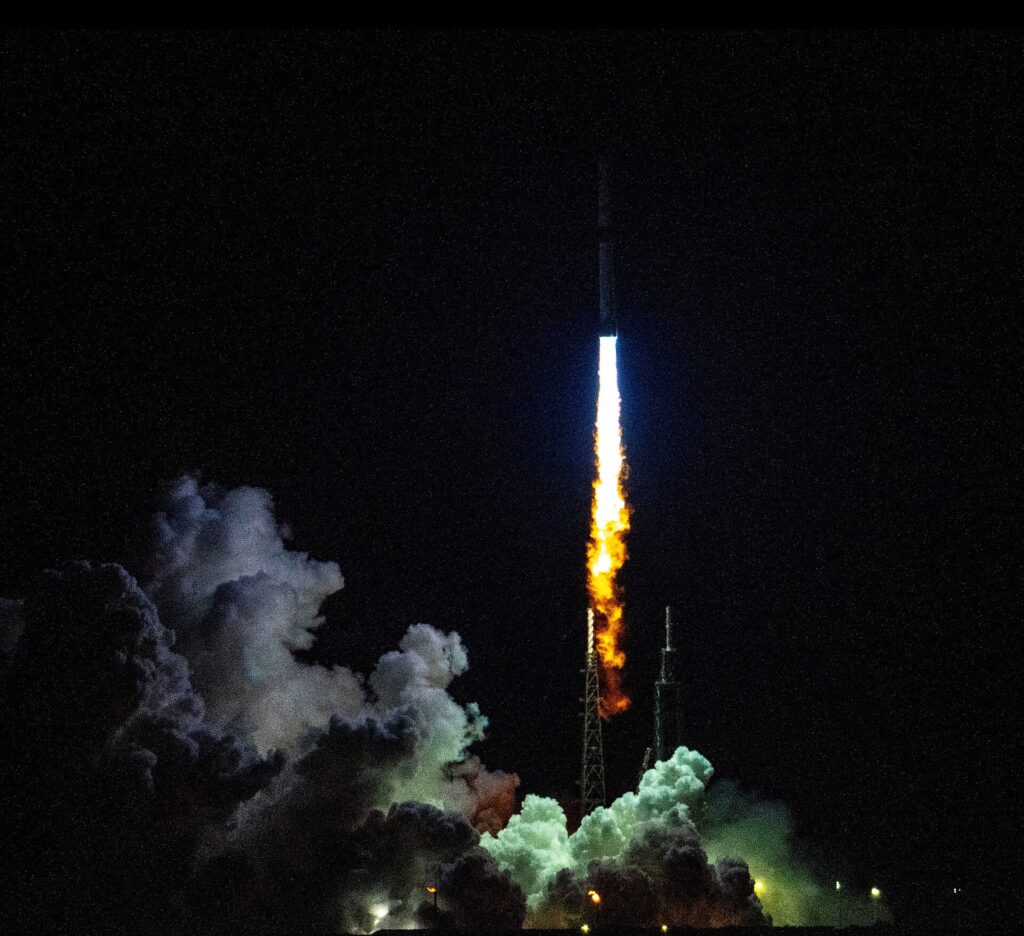
Blue Origin’s 98 m partially reusable heavy rocket reached orbit on its January 2025 debut and can carry 45,000 kg to low Earth orbit.
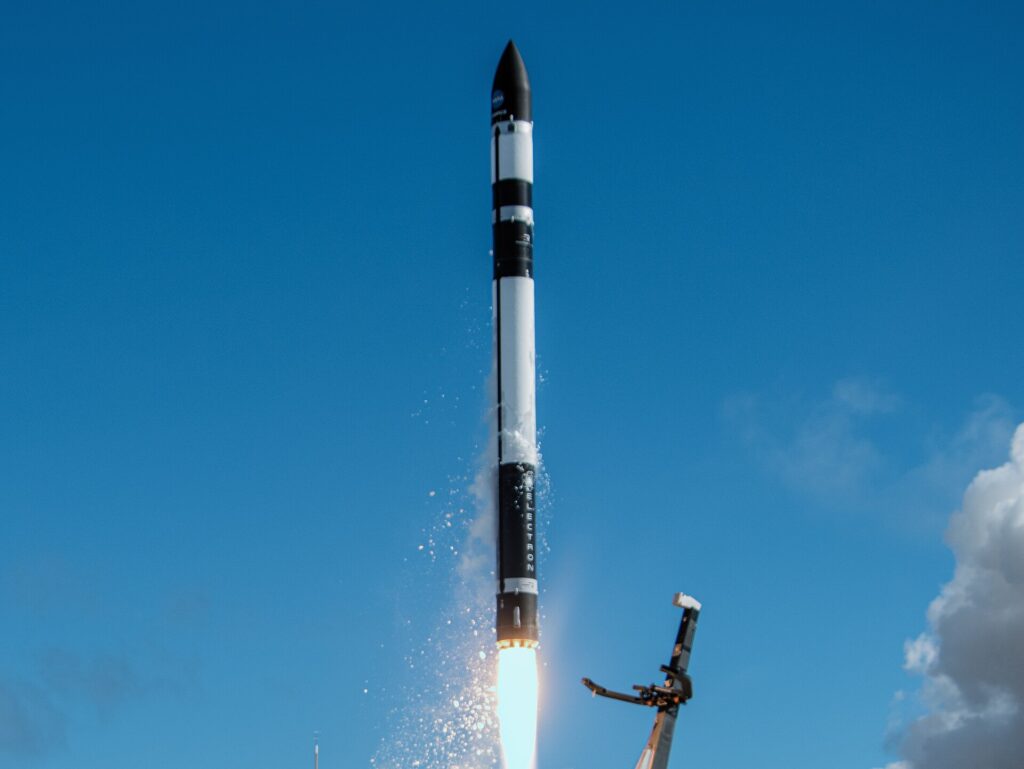
Rocket Lab’s 18 m carbon-fiber small-satellite launcher lifts 300 kg to orbit with 3D-printed, battery-pumped engines and has flown more than 60 missions since 2017.
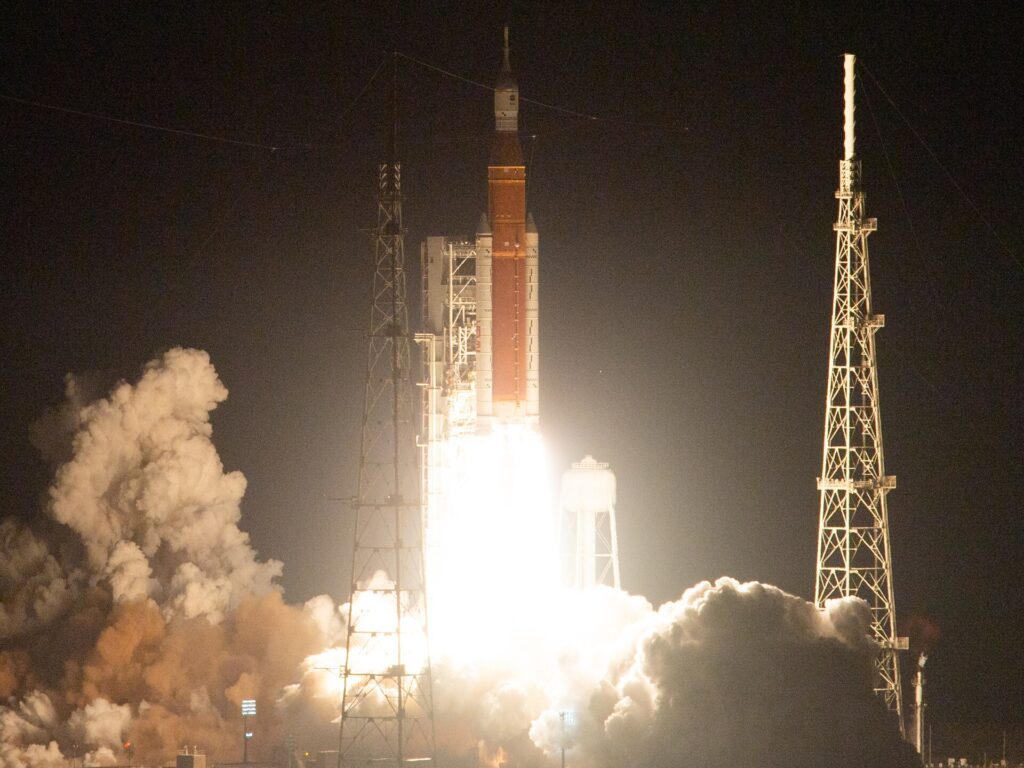
NASA’s Moon rocket for Artemis: 98 m tall, 39,100 kN at liftoff — more thrust than Saturn V — and 95,000 kg to low Earth orbit.