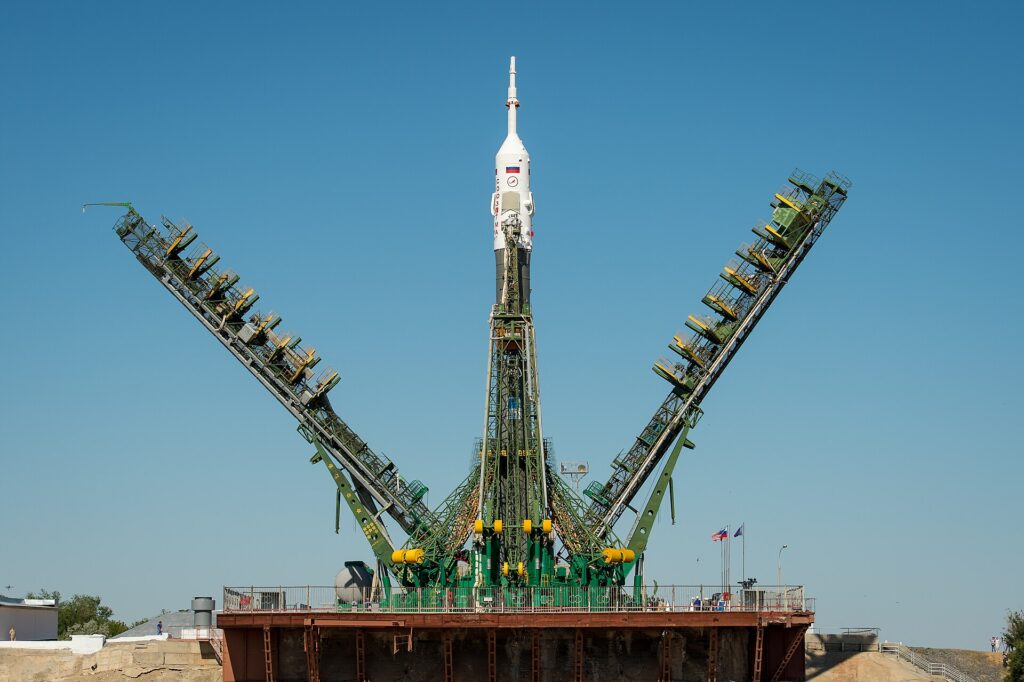
Soyuz-2
Modernized descendant of the world’s first ICBM, flying since 2004: 46 m tall, 8,200 kg to orbit, and more than 150 launches carrying crews, cargo and satellites.
Modernized descendant of the world’s first ICBM, flying since 2004: 46 m tall, 8,200 kg to orbit, and more than 150 launches carrying crews, cargo and satellites.
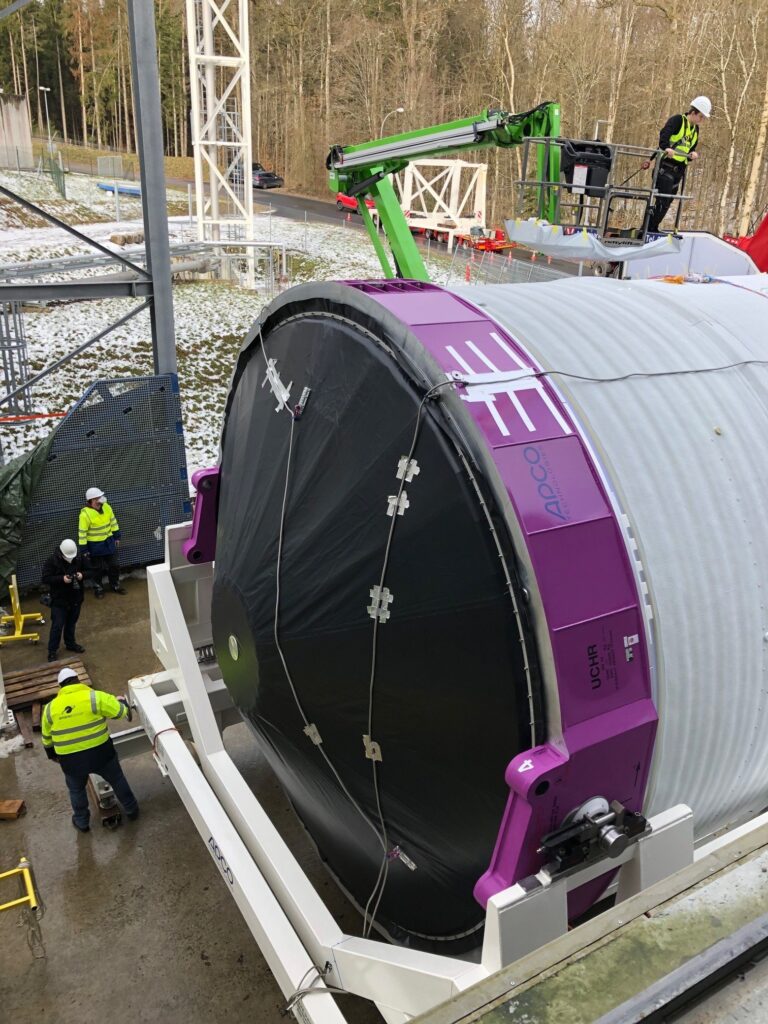
Europe’s new heavy-lift rocket, flying since July 2024: two or four boosters, up to 21,650 kg to low orbit and 11,500 kg toward geostationary transfer.
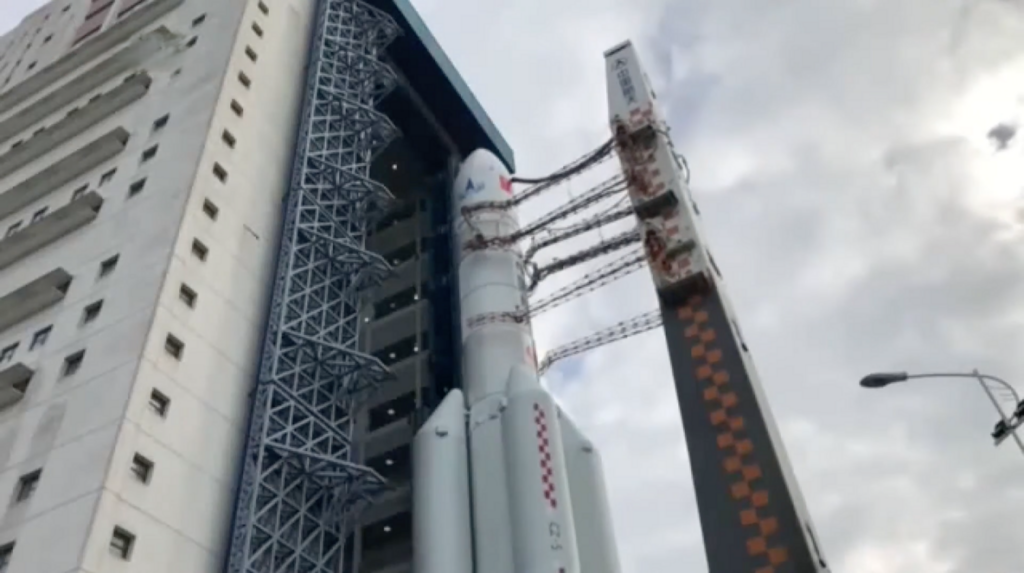
China’s most powerful operational rocket lifts 25,000 kg to low Earth orbit and launched the Tiangong station modules, Chang’e Moon missions and Tianwen-1 to Mars.
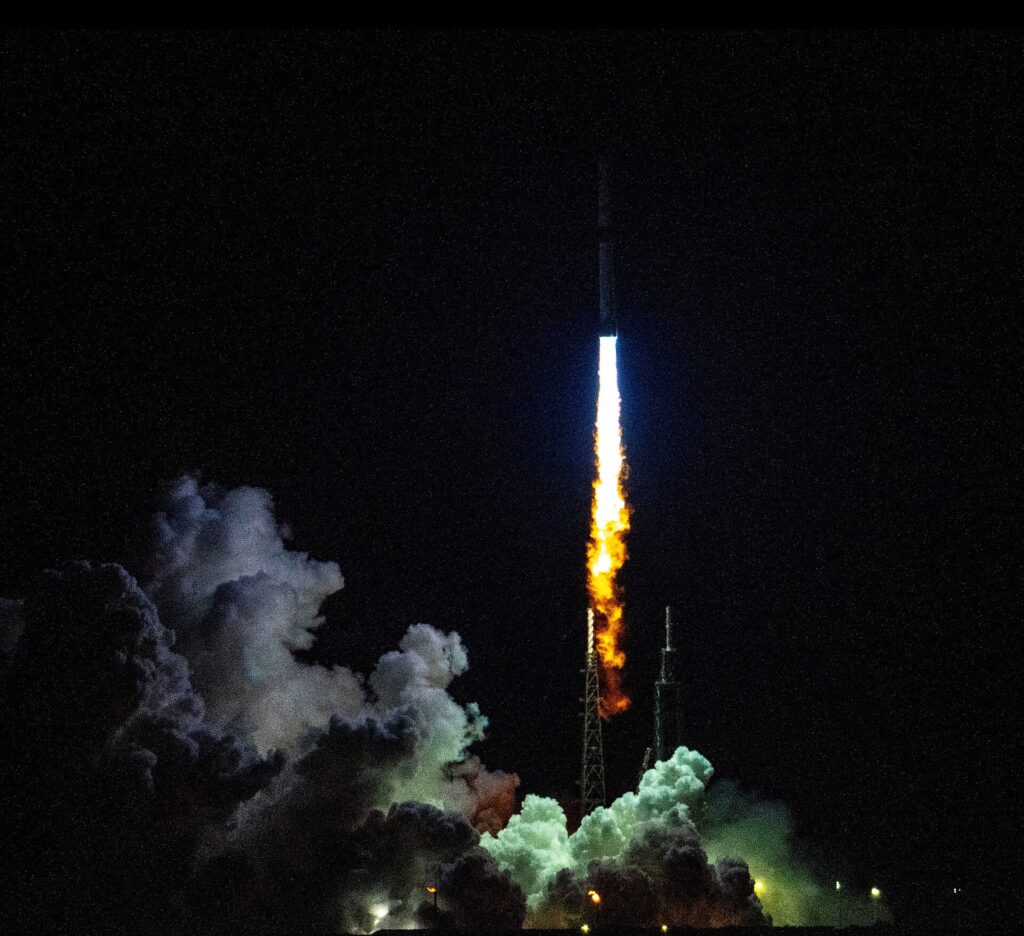
Blue Origin’s 98 m partially reusable heavy rocket reached orbit on its January 2025 debut and can carry 45,000 kg to low Earth orbit.
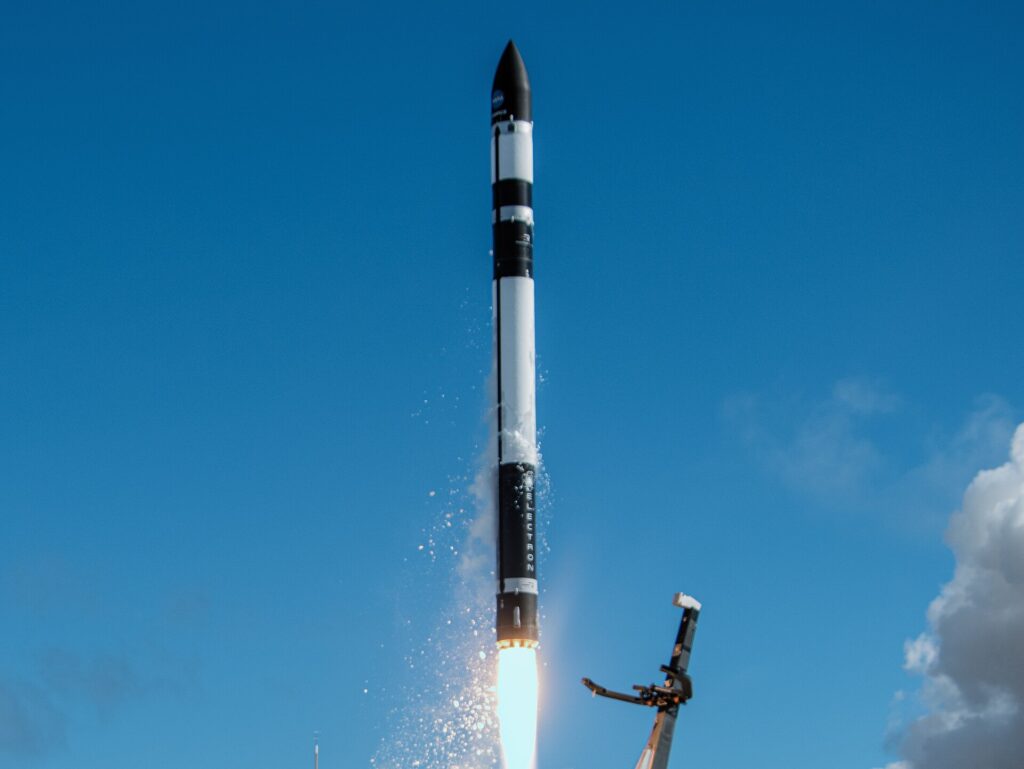
Rocket Lab’s 18 m carbon-fiber small-satellite launcher lifts 300 kg to orbit with 3D-printed, battery-pumped engines and has flown more than 60 missions since 2017.
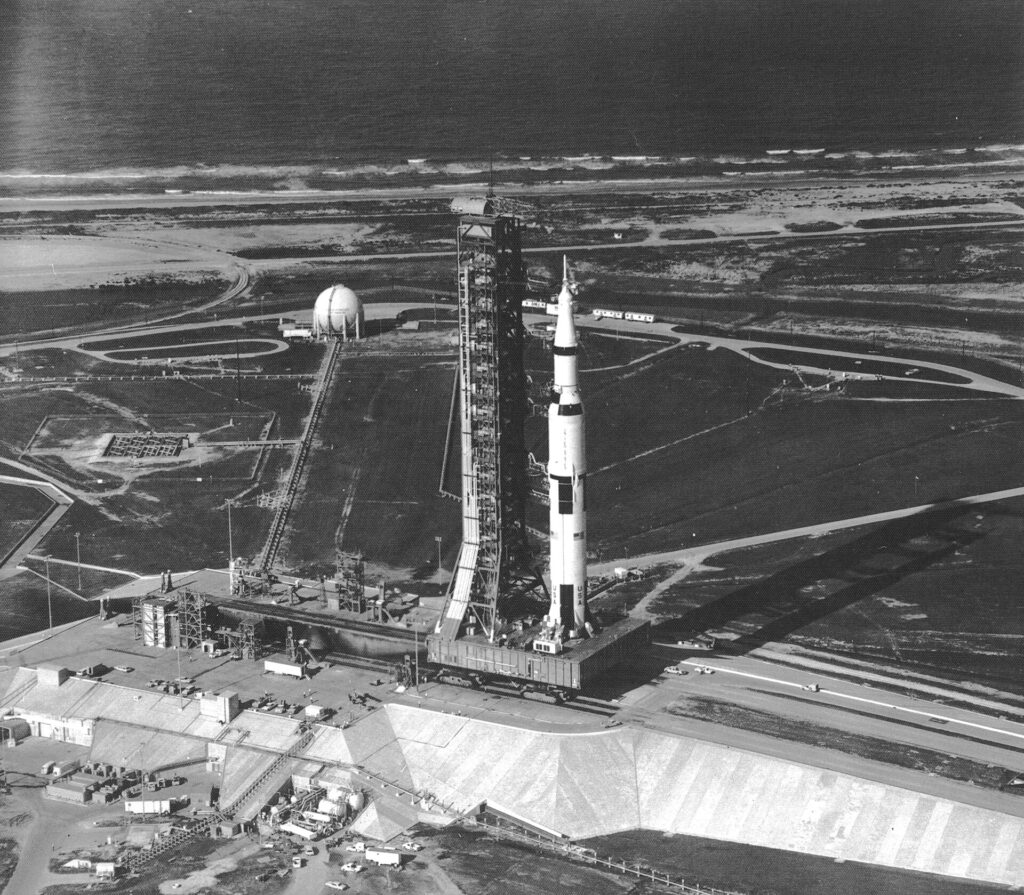
NASA’s 110.6 m Moon rocket launched every Apollo lunar mission and Skylab, sending 140,000 kg to orbit and never losing a crew or payload in 13 flights.
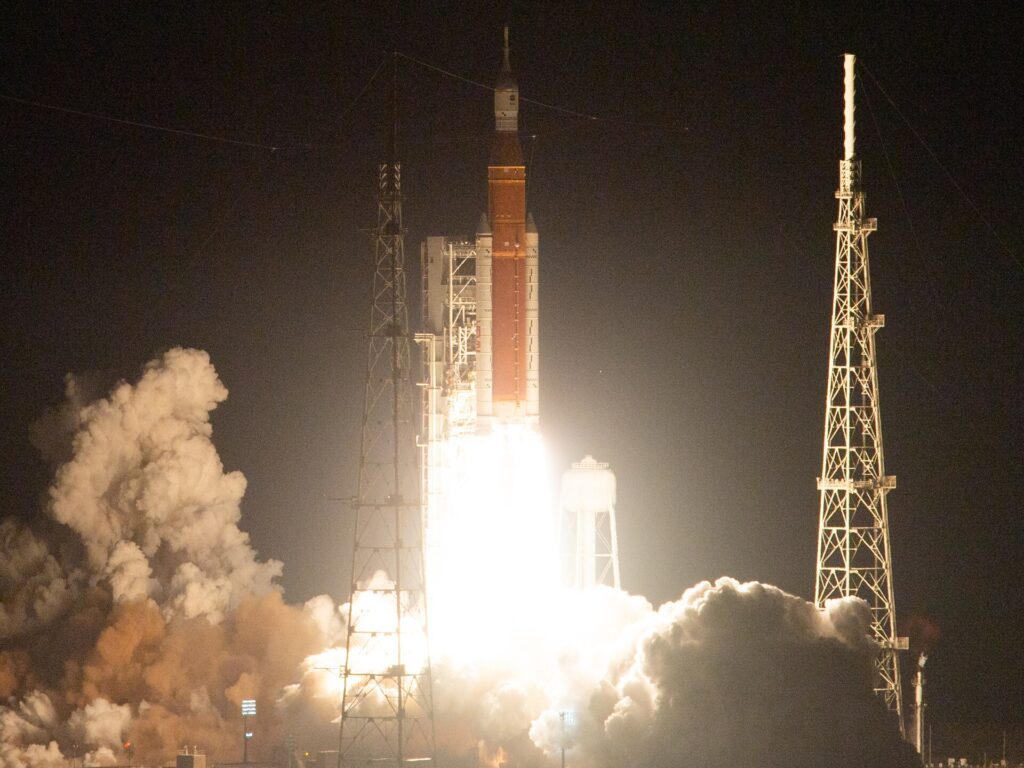
NASA’s Moon rocket for Artemis: 98 m tall, 39,100 kN at liftoff — more thrust than Saturn V — and 95,000 kg to low Earth orbit.
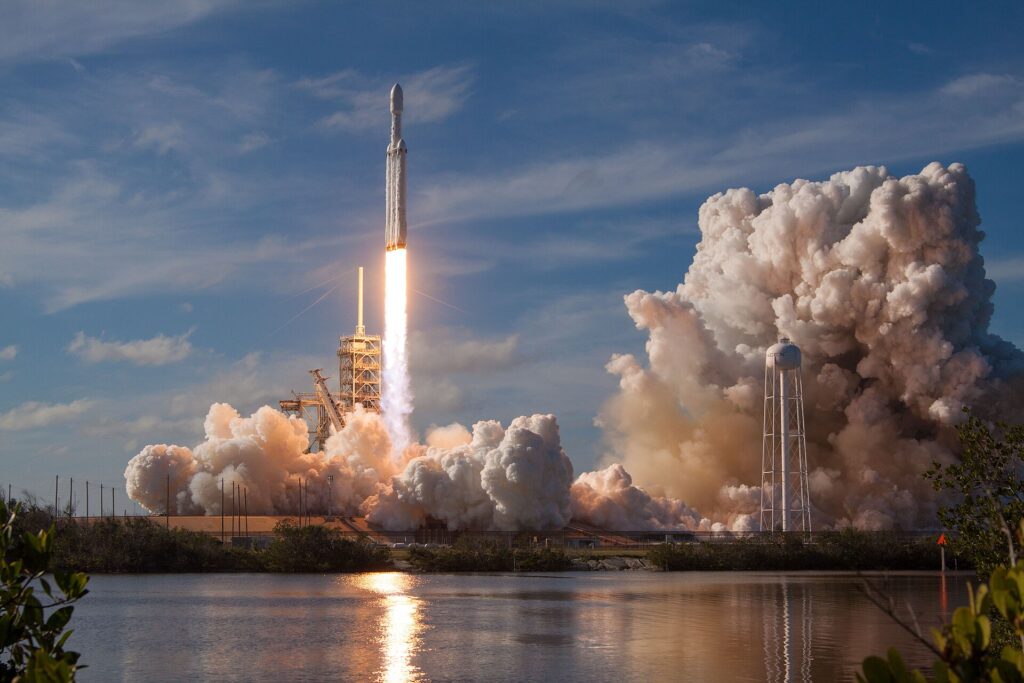
SpaceX’s triple-core heavy lifter: 27 engines, about 22,800 kN of thrust, and up to 63,800 kg to orbit — flying since February 2018.
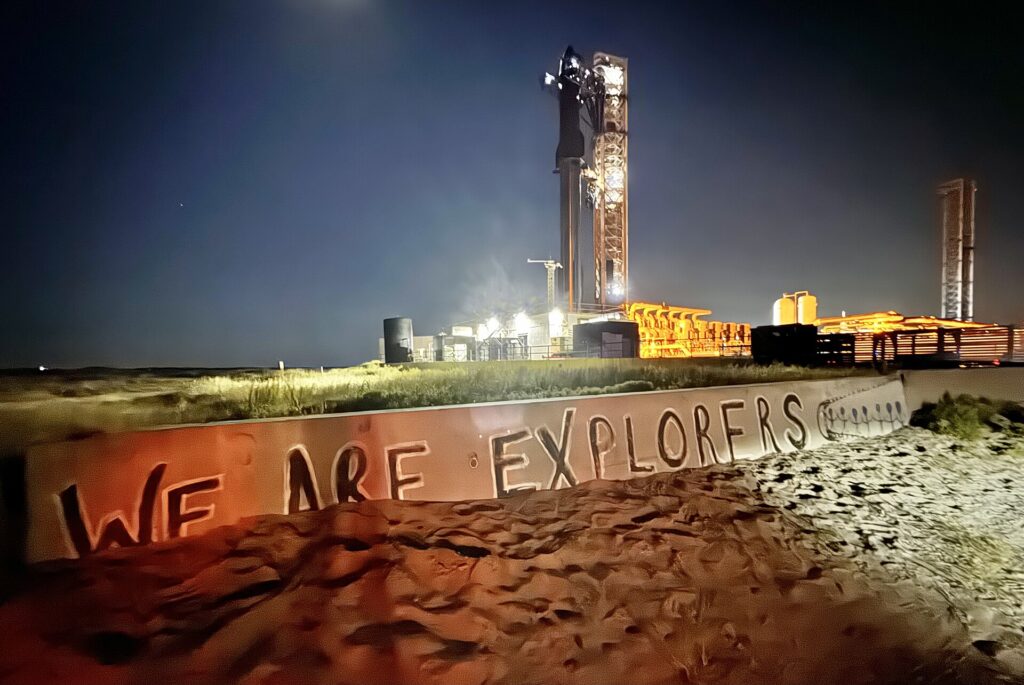
SpaceX’s two-stage launch system is designed for full reuse. V3 flight tests assess deployment, reentry and recovery capabilities.
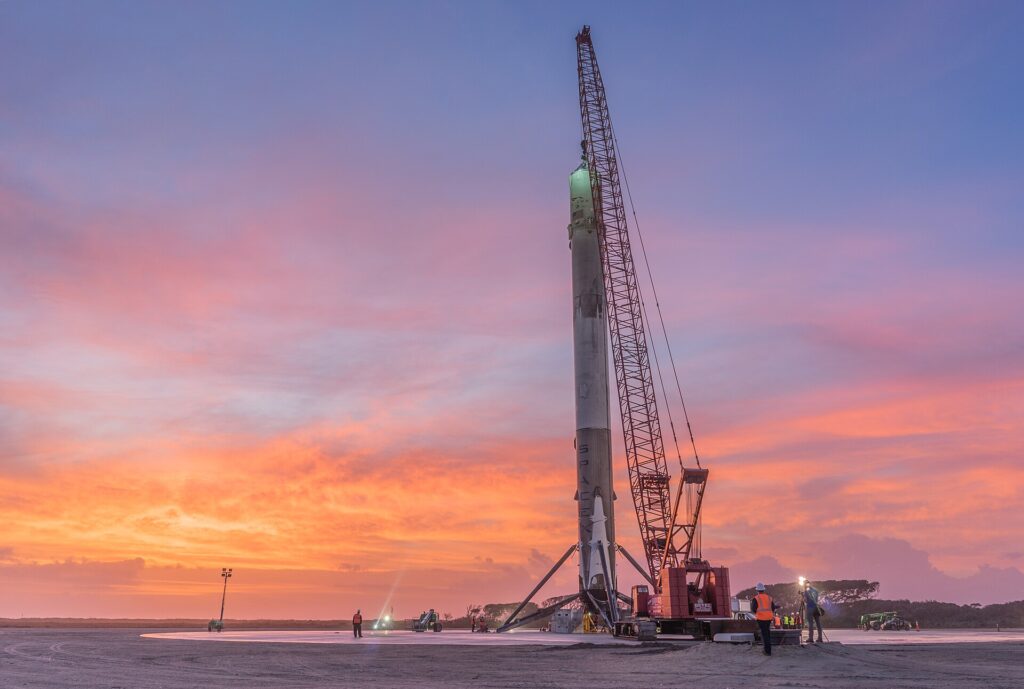
SpaceX’s partially reusable workhorse rocket: 70 m tall, 22,800 kg to low Earth orbit, and more than 450 launches since 2010 — America’s most-launched rocket ever.