A WB-57F Chases the Eclipse Above the North Atlantic
NASA flew near 50,000 feet during the August 12 eclipse to reduce atmospheric interference in observations of the Sun’s corona.
Follow aircraft programs, flight-test milestones, defense aviation, spaceflight records and aerospace industry announcements with editorial context.
NASA flew near 50,000 feet during the August 12 eclipse to reduce atmospheric interference in observations of the Sun’s corona.
The Kadena-assigned Eagle II left Boeing on August 28 for preparations in Oregon, not a confirmed arrival in Japan.
NASA reports a 72-minute X-59 test reaching Mach 1.2 and approximately 49,000 feet; dedicated noise validation remains ahead.
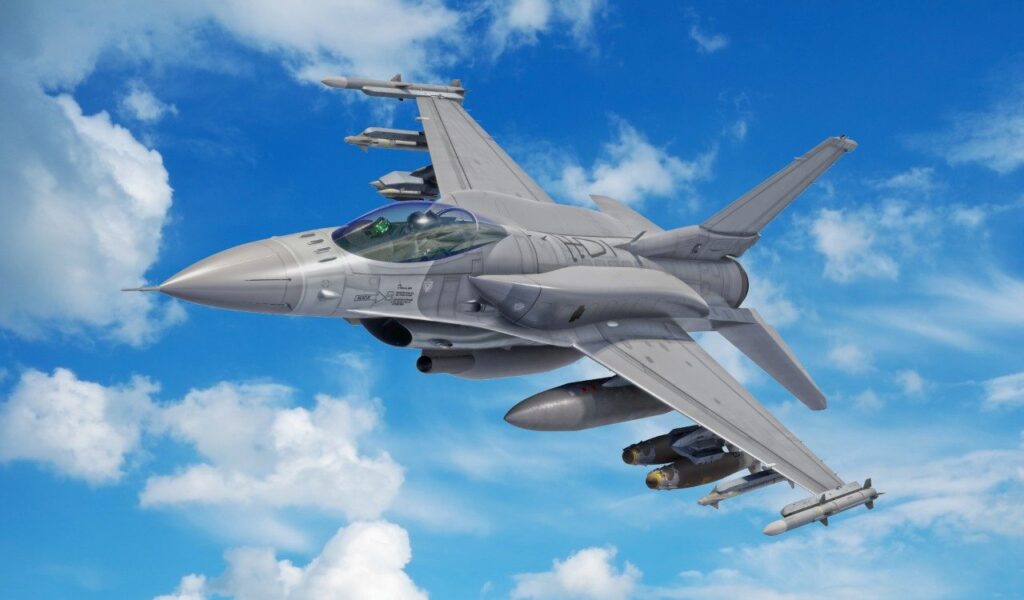
The first two of 66 new F-16V Block 70 fighters Taiwan ordered from the United States have reached Guam, the last stop before Chihhang Air Base, after years of production delays.
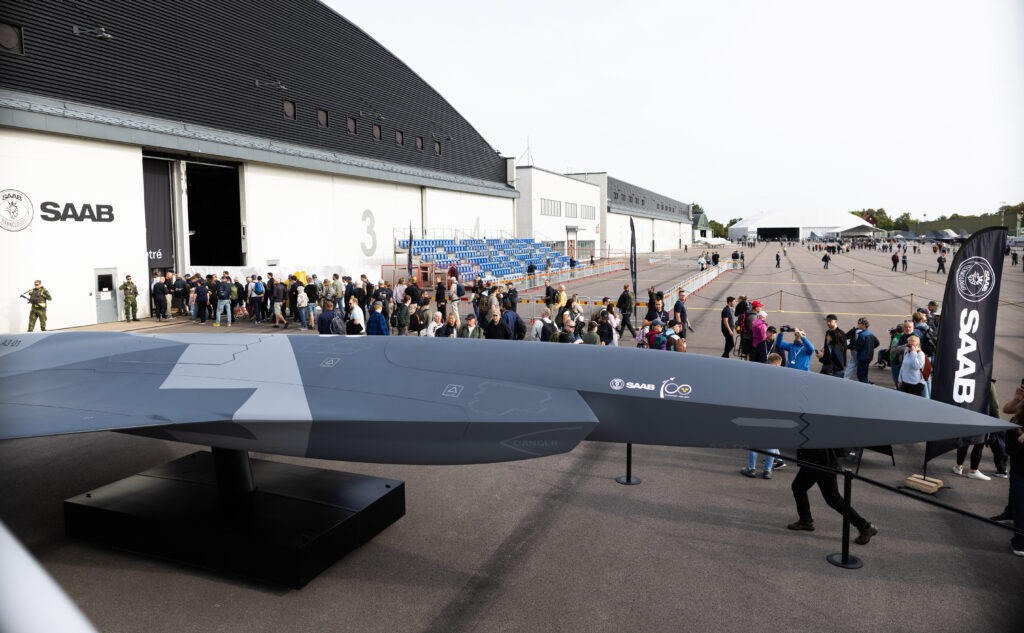
Saab displayed a Gripen-size A3-001 loyal-wingman mock-up at Malmen Air Base and said uncrewed demonstrators with fighter-like performance should fly before 2030.
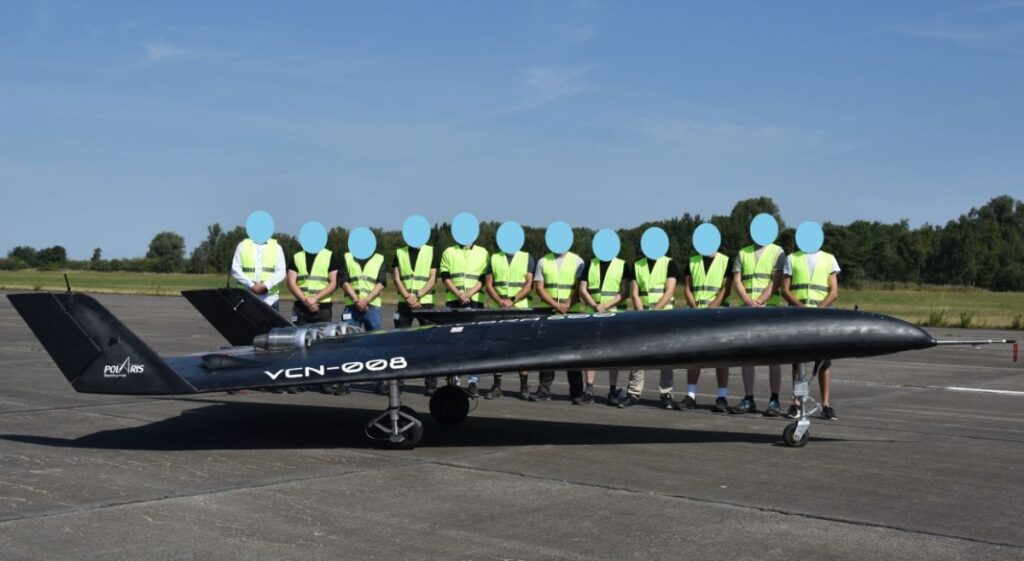
POLARIS Spaceplanes flew the COBRA prototype more than 20 km, the first flight of a Diehl-backed uncrewed aircraft meant to launch IRIS-T missiles.
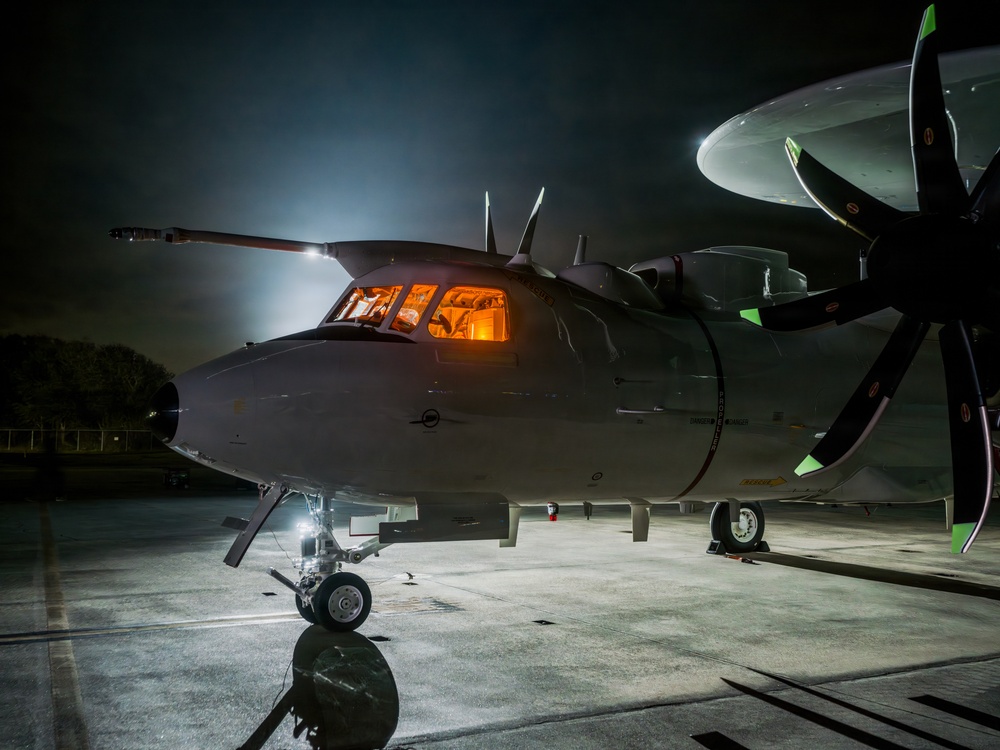
The U.S. Navy and Northrop Grumman have completed the E-2D Advanced Hawkeye Block II critical design review, moving the carrier-borne radar aircraft from design into integration, retrofit and eventual flight test.
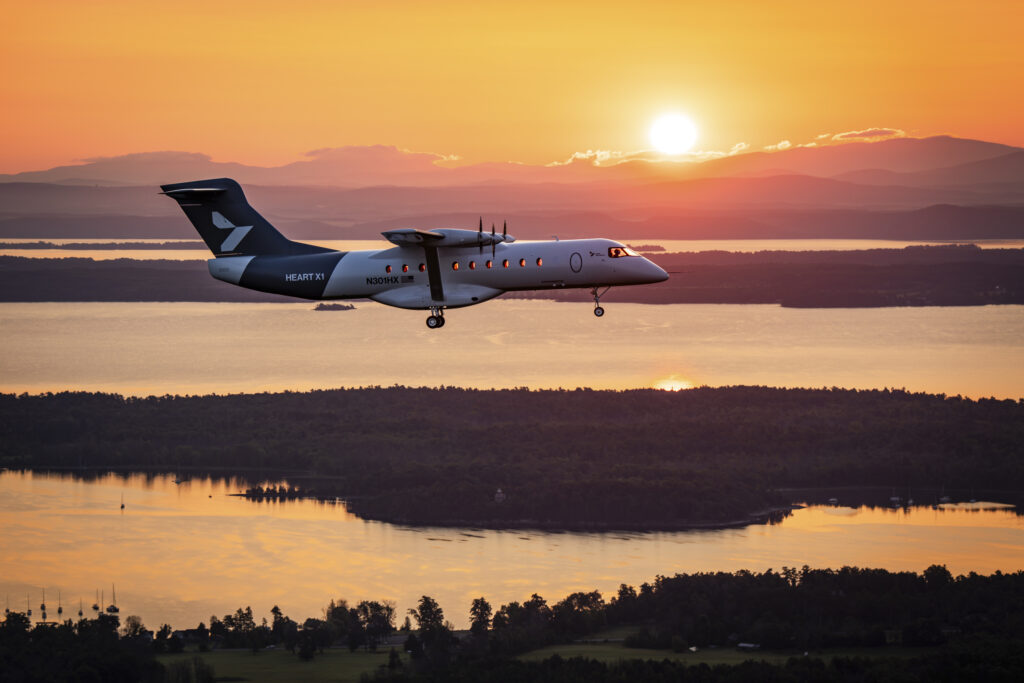
Heart Aerospace’s full-scale X1 demonstrator flew for 27 minutes on August 12, reaching 1,100 feet and delivering more than one megawatt of electric power.
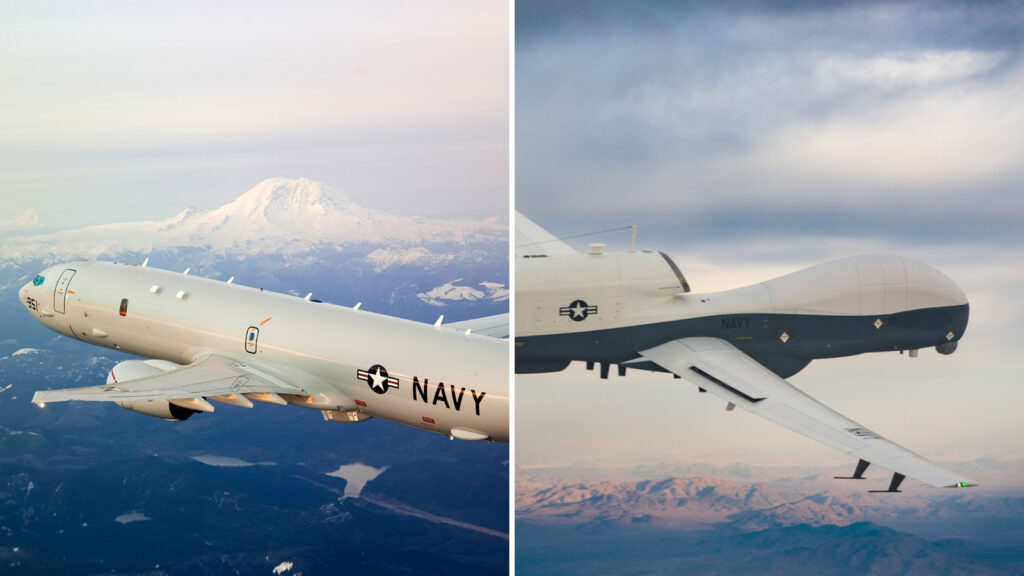
Boeing and Northrop Grumman demonstrated machine-to-machine mission tasking between P-8A Poseidon and simulated MQ-4C Triton systems using open standards and a satellite relay.
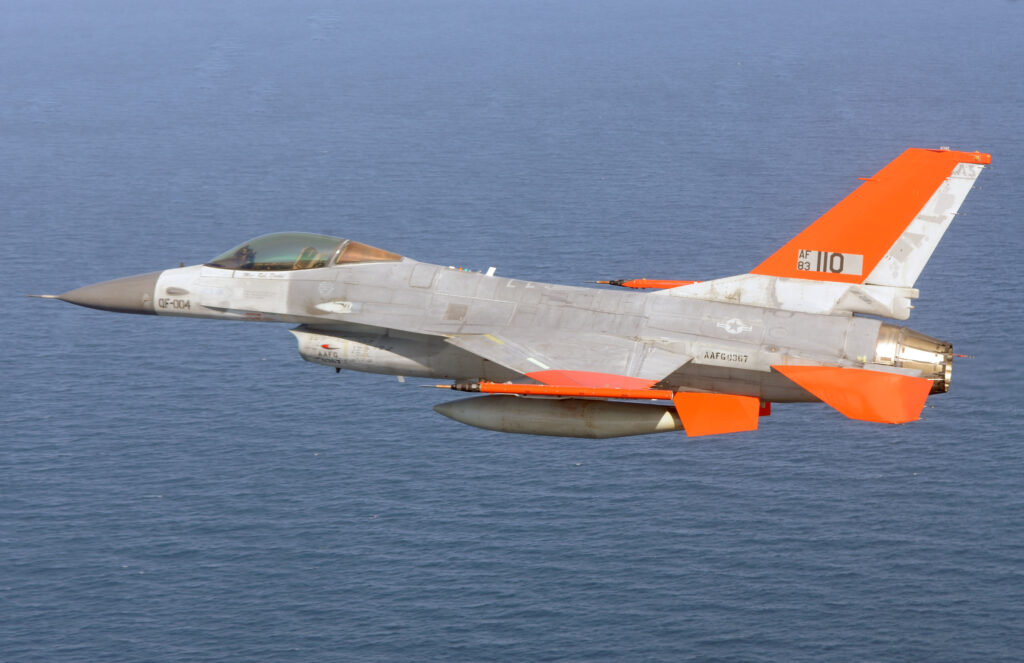
The modified F-16D testbed completed 27 AI-controlled intercepts across eight flights, using a Legion Pod’s live infrared track of a T-38 to close the sensor-to-maneuver loop.