The Human Element · Beyond the Sky
Famous Astronauts
The Men and Women Who Left the Planet Behind
Behind every spacecraft in this encyclopedia is a human being who trusted it with their life. From the first person to orbit the Earth to the commanders of the Space Station — these are the explorers who turned rockets into history.
The Pioneers
Breaking the cosmic barrier — the first humans to leave the planet
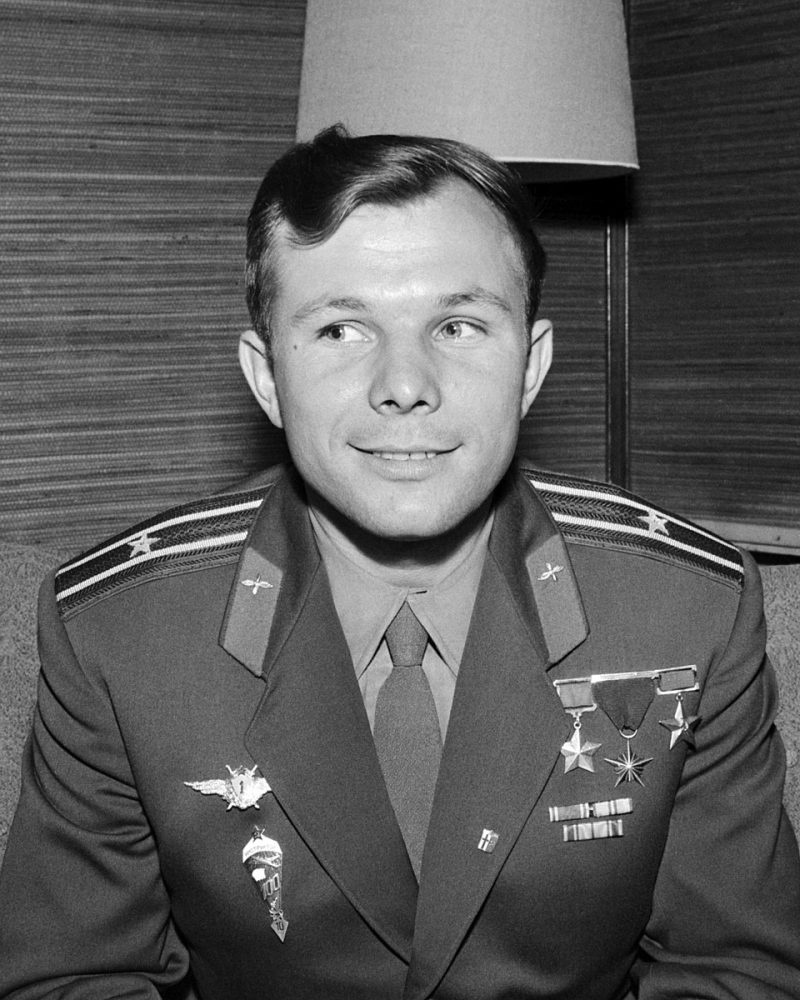
Yuri Gagarin
On April 12, 1961, Soviet Air Force pilot Yuri Gagarin became the first human to travel into space, completing a single orbit of Earth aboard Vostok 1 in 108 minutes. Because no one yet knew whether a person could survive spaceflight, the capsule flew almost entirely under automatic control.
The 27-year-old returned a global hero, his boyish smile broadcast around the world. He never flew in space again — considered too valuable to risk — and died in 1968 when his MiG-15 training jet crashed. His flight is still celebrated worldwide every April 12 as “Yuri’s Night.”
“Circling the Earth in my orbital spaceship, I marvelled at the beauty of our planet. People of the world — let us safeguard and enhance this beauty, not destroy it.”
Spacecraft & Aircraft
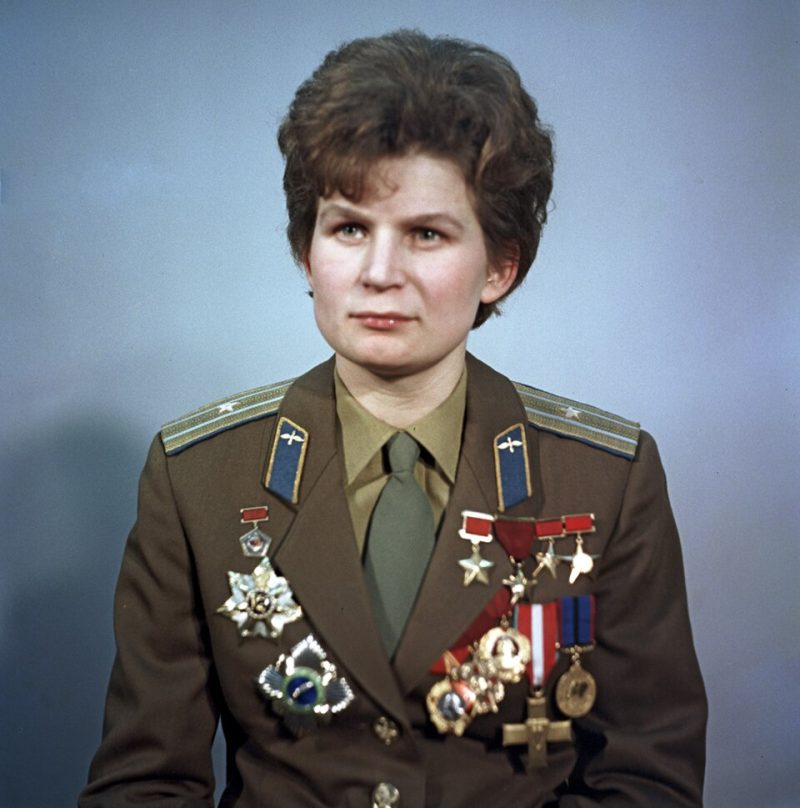
Valentina Tereshkova
A former textile worker and amateur parachutist, Valentina Tereshkova was chosen from more than 400 candidates and, on June 16, 1963, launched aboard Vostok 6. Over almost three days she orbited the Earth 48 times — more than all American astronauts to that date combined.
She remains the only woman ever to have flown a solo space mission, and at 26 one of the youngest people to reach orbit. No other woman would fly in space for nineteen years, until Svetlana Savitskaya in 1982.
“A bird cannot fly with one wing only. Human space flight cannot develop any further without the active participation of women.”
Spacecraft
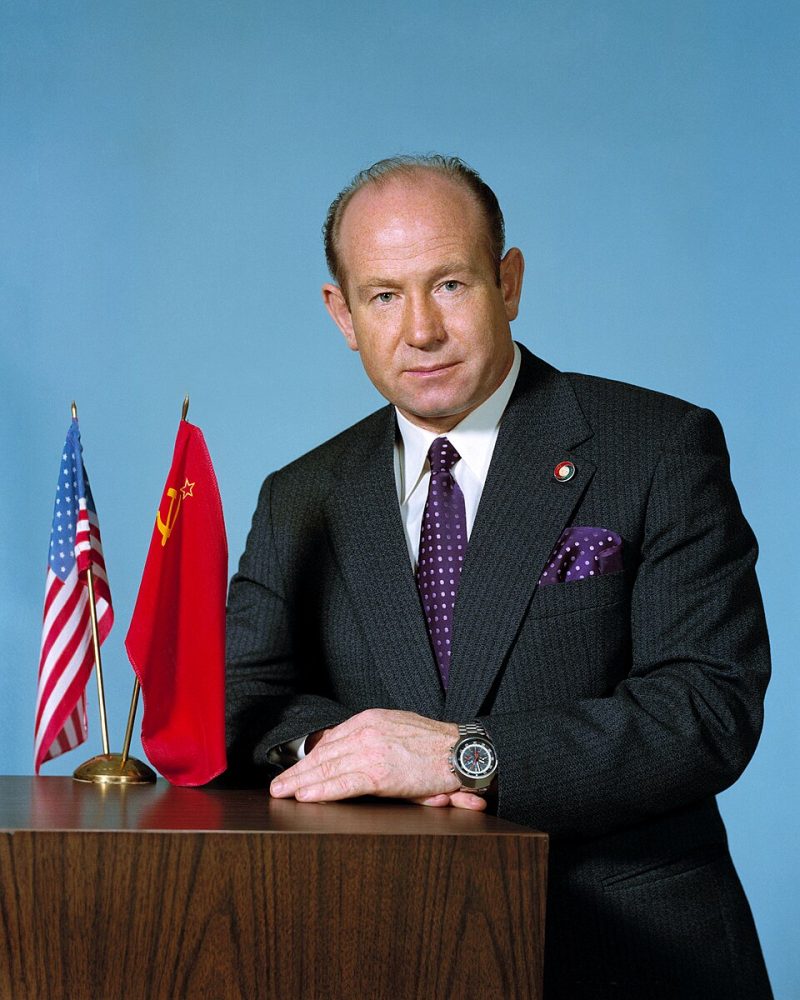
Alexei Leonov
On March 18, 1965, Alexei Leonov left his Voskhod 2 capsule and floated in the vacuum for twelve minutes — the first human to walk in space. It nearly killed him: his suit ballooned so stiff in the vacuum that he could not fit back through the airlock, and had to bleed off pressure to squeeze inside.
Ten years later he commanded the Soviet half of the Apollo–Soyuz Test Project, the first international crewed docking, shaking hands with American astronauts in orbit at the height of the Cold War. A gifted artist, he made the first sketches ever drawn in space.
“The Earth was small, light blue, and so touchingly alone — our home that must be defended like a holy relic.”
Spacecraft
The Moonwalkers
Twelve humans have walked on another world — here are the first, and the last
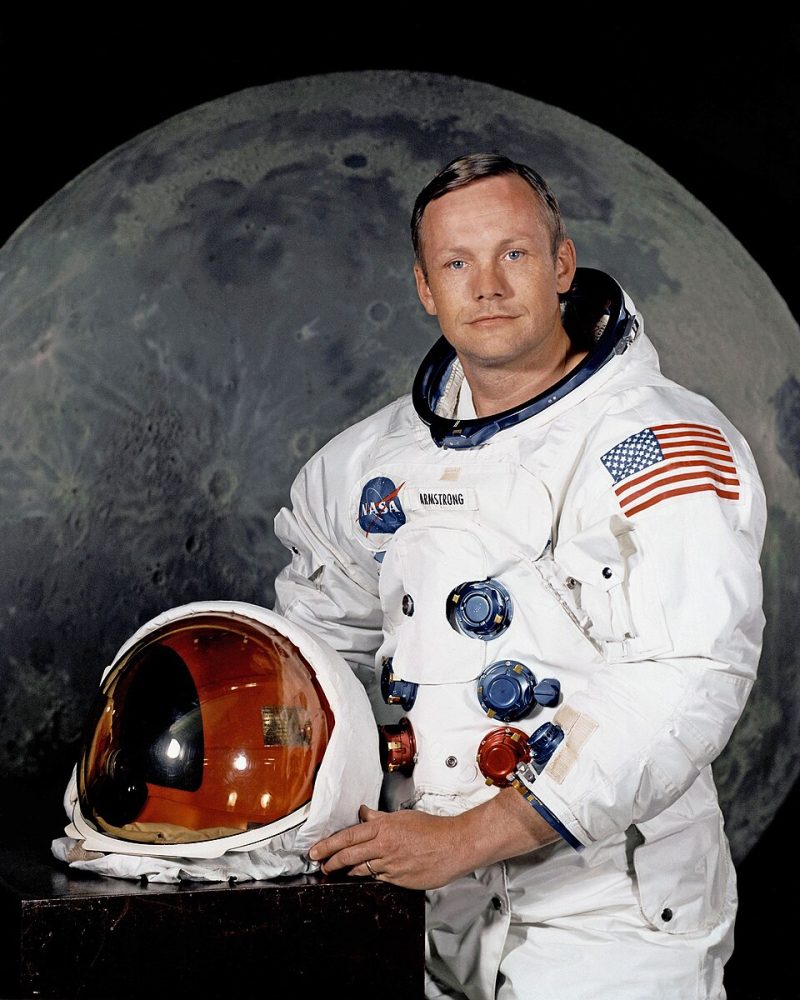
Neil Armstrong
A Navy combat pilot and X-15 test pilot, Neil Armstrong commanded Apollo 11 and, on July 20, 1969, became the first human to set foot on the Moon. His words were heard by an estimated 600 million people — the largest audience in history to that point.
Famously private, Armstrong shunned celebrity and returned to teaching aerospace engineering. Earlier, on Gemini 8, he had saved his crew from a violent spin with the first emergency return from orbit — the same cool competence that carried Apollo 11 through a computer alarm and a manual landing with seconds of fuel to spare.
“That’s one small step for man, one giant leap for mankind.”
Spacecraft & Aircraft
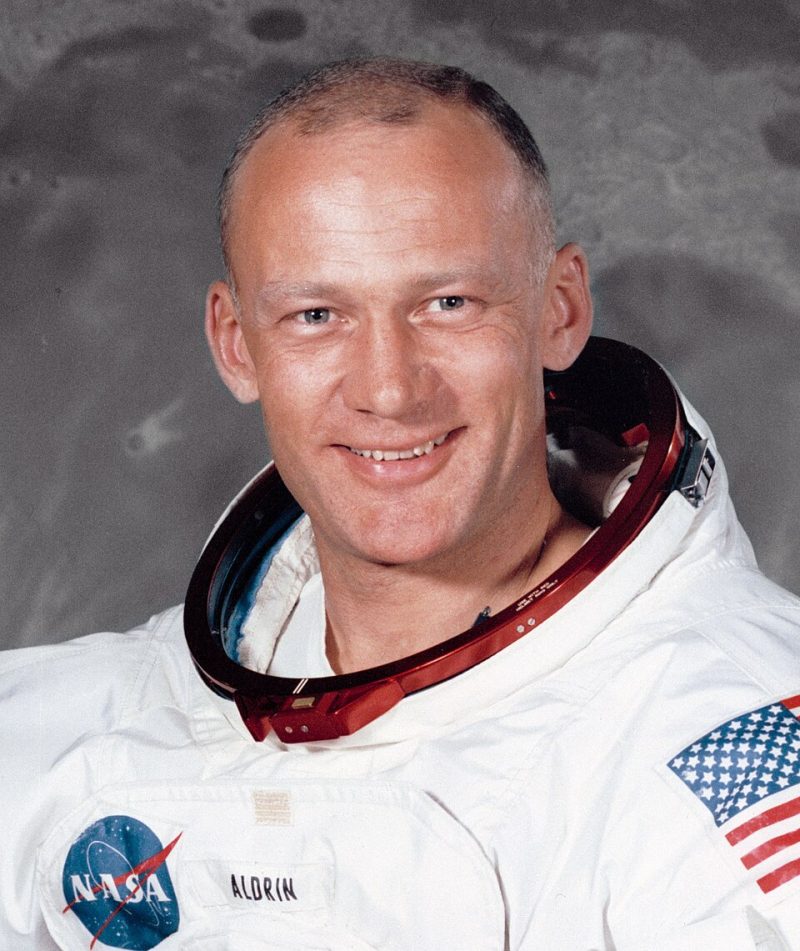
Buzz Aldrin
Nineteen minutes after Armstrong, Buzz Aldrin stepped onto the Moon and described the scene as “magnificent desolation.” An MIT doctorate in astronautics earned him the nickname “Dr. Rendezvous” — his work on orbital docking techniques made the Gemini and Apollo missions possible.
On Gemini 12 in 1966 he proved an astronaut could work effectively outside the spacecraft, spending more than five hours on spacewalks and settling doubts that had troubled earlier attempts. He later became one of the most outspoken advocates for sending humans to Mars.
“Magnificent desolation.”
Spacecraft
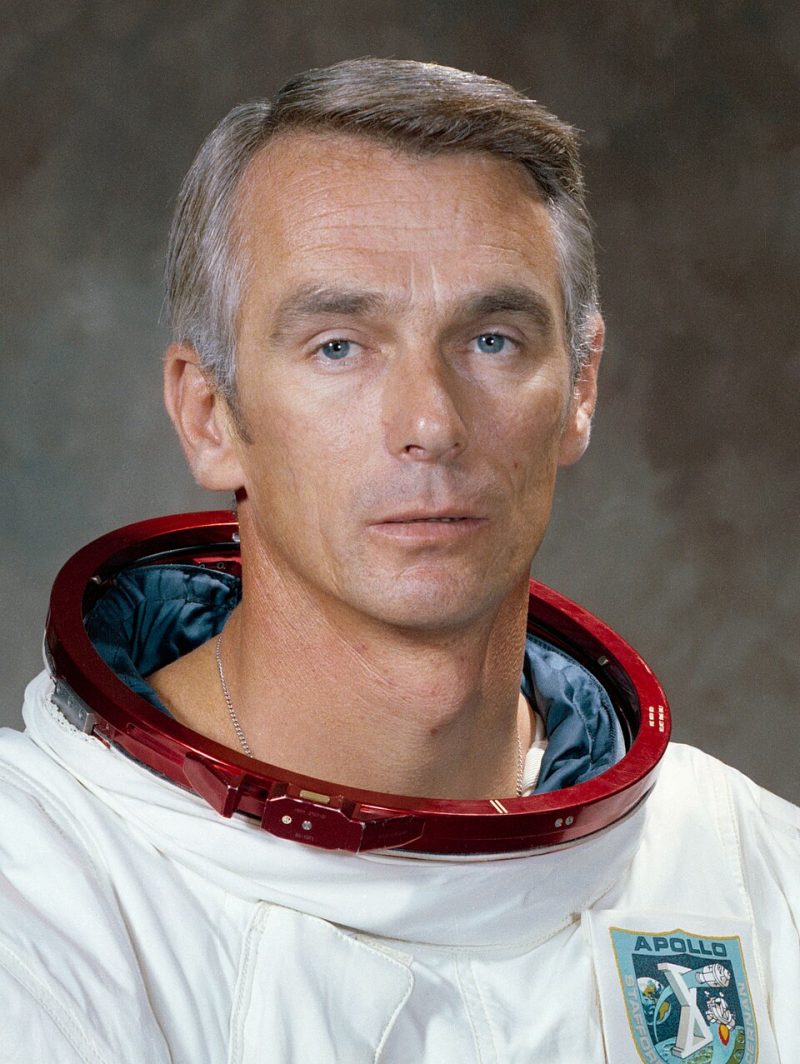
Gene Cernan
Commander of Apollo 17 in December 1972, Gene Cernan was the last human to stand on the Moon. Before climbing the ladder for the final time, he traced his daughter’s initials in the lunar dust — and more than fifty years later, no one has returned.
A three-time spaceflight veteran, he had earlier flown a gruelling spacewalk on Gemini 9 and orbited the Moon on Apollo 10, the dress rehearsal for the first landing. For the rest of his life he campaigned for a human return to deep space.
“We leave as we came and, God willing, as we shall return — with peace and hope for all mankind.”
Spacecraft
The Modern Era
From the Shuttle to the Space Station — when spaceflight became a way of life
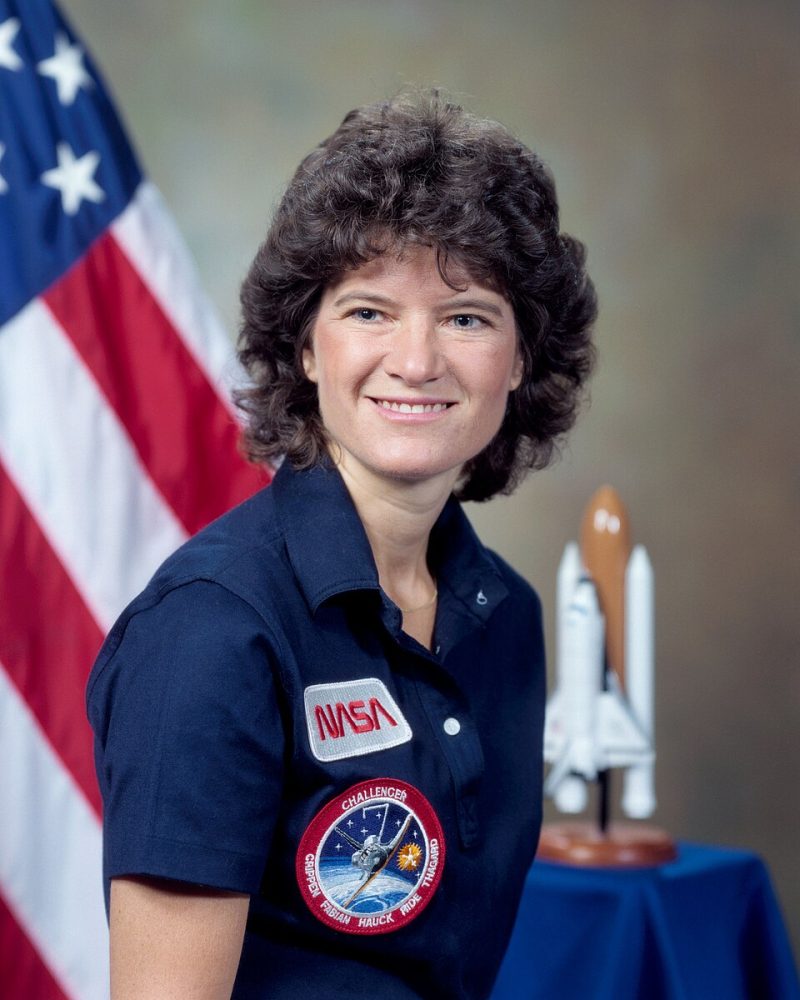
Sally Ride
A physicist who answered a newspaper ad seeking astronauts, Sally Ride flew aboard Space Shuttle Challenger in June 1983 to become the first American woman in space — at 32, also the youngest American to reach orbit. She operated the Shuttle’s robotic arm to deploy and retrieve satellites.
After two Shuttle flights she served on the boards investigating both the Challenger and Columbia disasters — the only person to sit on both. She later founded Sally Ride Science to encourage girls in science and engineering, the mission that defined her second career.
“All adventures, especially into new territory, are scary.”
Spacecraft
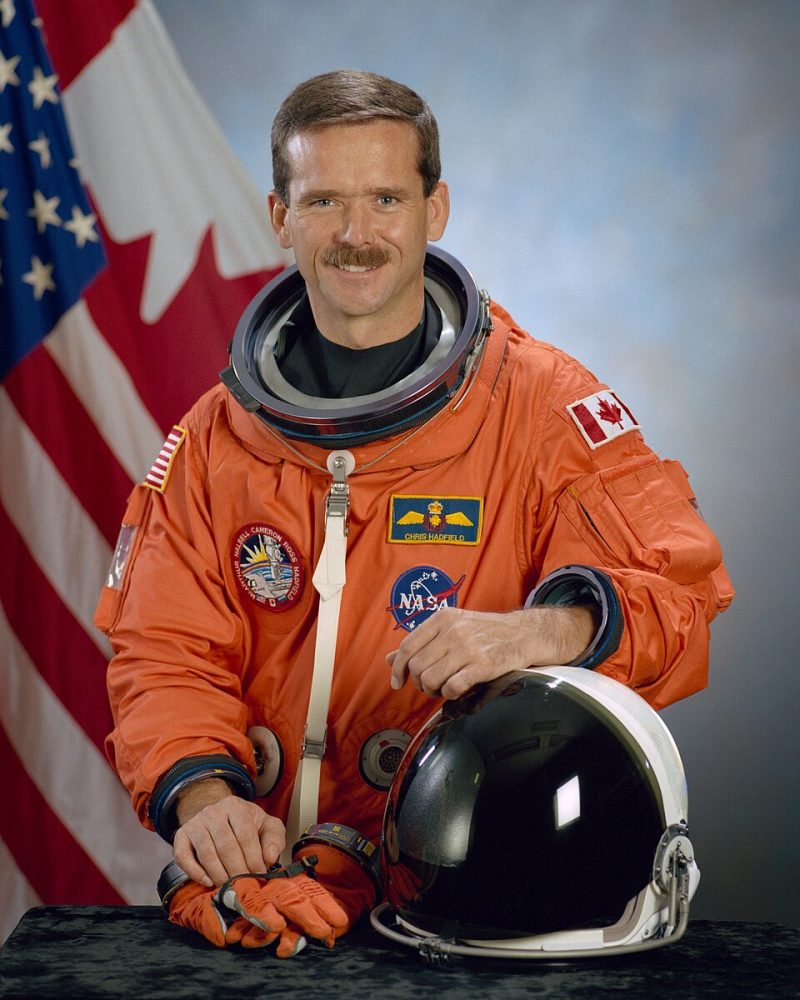
Chris Hadfield
A Canadian fighter and test pilot, Chris Hadfield flew two Space Shuttle missions and a long-duration stay aboard the International Space Station, where in 2013 he became the first Canadian to command the ISS. He was also the first Canadian to walk in space, helping install the station’s Canadarm2.
Hadfield turned the ISS into a classroom for the world, sharing photographs and experiments with millions online. His weightless cover of David Bowie’s “Space Oddity,” recorded aboard the station, became a widely shared example of art and outreach from orbit. Viewing totals vary by platform and date.
“In space you develop an intense, lifelong connection to the Earth. You see it whole, and you feel protective of it.”
Spacecraft
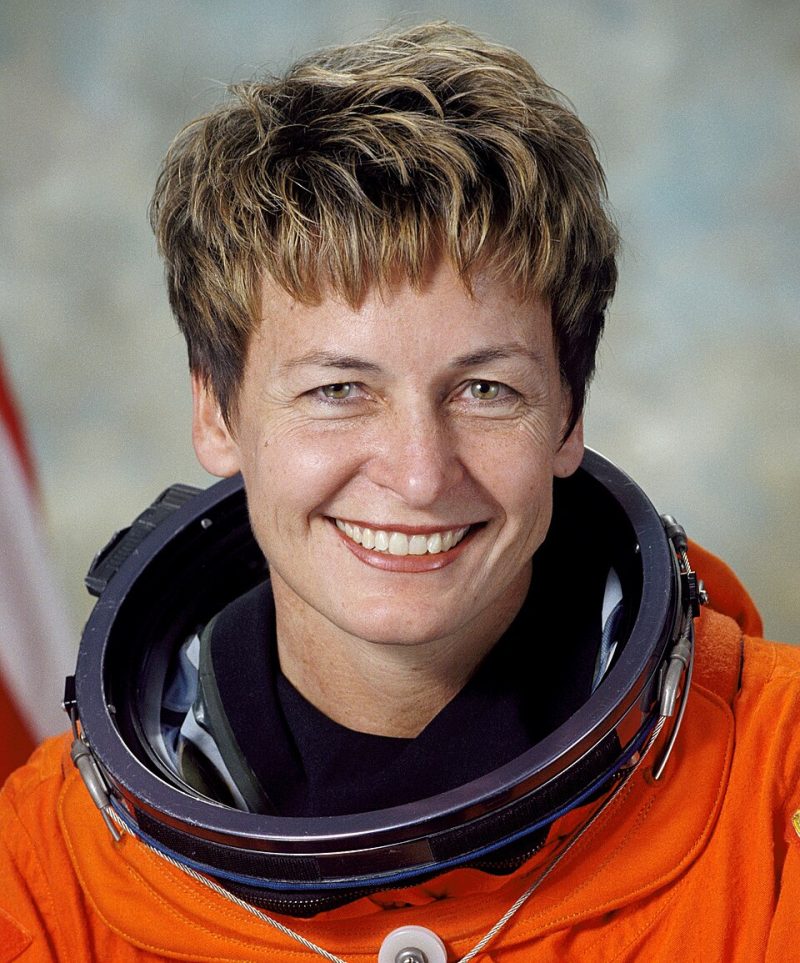
Peggy Whitson
After Axiom Mission 2 in 2023, biochemist Peggy Whitson had accumulated about 675 days in space. This is a dated historical total, not her latest career total. She became the first woman to command the International Space Station during Expedition 16 in 2007–2008, and commanded it again in 2017.
She performed ten spacewalks during her NASA missions; spacewalk count and total EVA duration are different records. After retiring from NASA she returned to orbit in 2023 as commander of the private Axiom Mission 2 aboard a SpaceX Crew Dragon — proof that professional and commercial spaceflight now fly side by side.
“The challenges make you stretch; they make you go beyond the normal limits.”
Spacecraft
Firsts in Human Spaceflight
The milestones that opened space to humanity
| Milestone | Astronaut | Spacecraft | Year | Nation |
|---|---|---|---|---|
| First human in space | Yuri Gagarin | Vostok 1 | 1961 | 🇷🇺 USSR |
| First American in space | Alan Shepard | Freedom 7 | 1961 | 🇺🇸 USA |
| First woman in space | Valentina Tereshkova | Vostok 6 | 1963 | 🇷🇺 USSR |
| First spacewalk | Alexei Leonov | Voskhod 2 | 1965 | 🇷🇺 USSR |
| First humans to orbit the Moon | Apollo 8 crew | Apollo 8 | 1968 | 🇺🇸 USA |
| First person on the Moon | Neil Armstrong | Apollo 11 | 1969 | 🇺🇸 USA |
| Last person to leave the Moon during Apollo | Gene Cernan | Apollo 17 | 1972 | 🇺🇸 USA |
| First American woman in space | Sally Ride | Challenger | 1983 | 🇺🇸 USA |
| First woman to command the ISS | Peggy Whitson | ISS Expedition 16 | 2007–2008 | 🇺🇸 USA |
| First Canadian to command the ISS | Chris Hadfield | ISS Expedition 35 | 2013 | 🇨🇦 Canada |
Follow Their Journeys
These explorers flew the machines in our Spacecraft Encyclopedia, along the path traced in the Space Timeline. For the aviators who broke the sound barrier before the Space Age began, meet the Famous Supersonic Pilots.
Sources: NASA, Roscosmos, CSA, ESA. Portraits: NASA (public domain); Yuri Gagarin (public domain); Valentina Tereshkova — RIA Novosti archive #612748 / A. Mokletsov / CC BY-SA 3.0; Alexei Leonov (public domain).