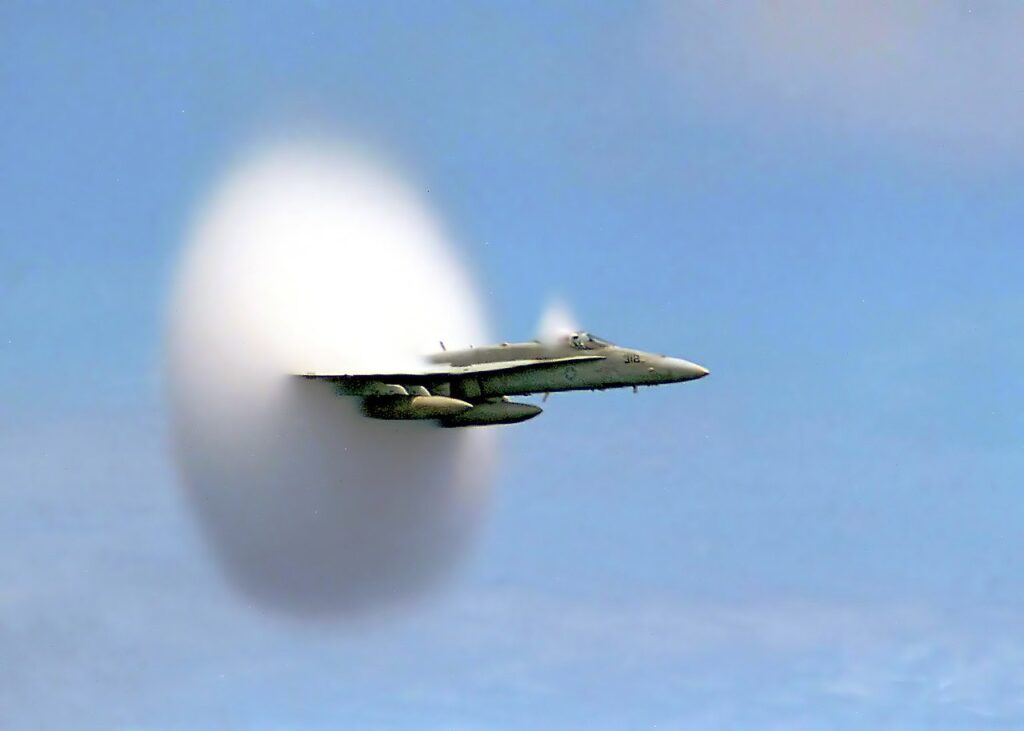
How Afterburners Work: The Chemistry of Maximum Thrust
An afterburner increases jet-engine thrust by adding fuel to the hot exhaust stream and burning it. The result is a […]
Understand aerodynamics, jet engines, stealth, radar, missiles, flight controls and aircraft design through clear, source-linked technical explainers.
Choose a topic below, then continue to the full article list for recent explainers.
An afterburner increases jet-engine thrust by adding fuel to the hot exhaust stream and burning it. The result is a […]

A missile seeker uses sensors and processing to track a target during flight. Infrared, semi-active radar and active radar seekers
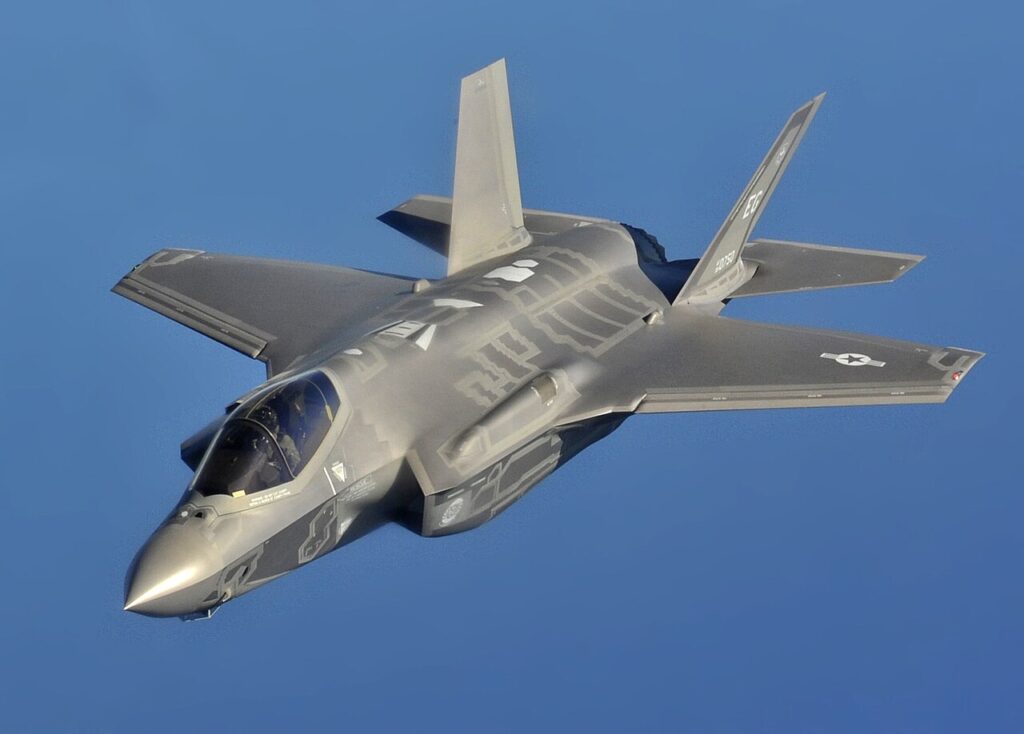
Fly-by-wire uses electrical signals and flight-control computers to carry pilot commands to the control surfaces. Before fly-by-wire, pilots moved control
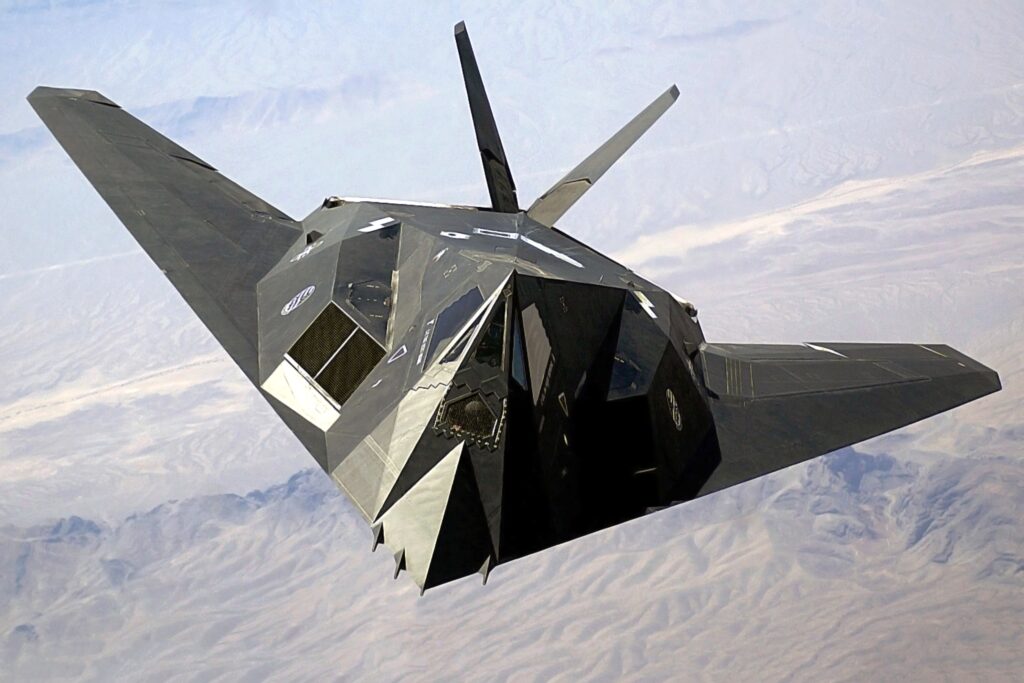
Stealth aircraft don’t actually become invisible to radar — they become incredibly difficult to detect. While the airframe’s shape does
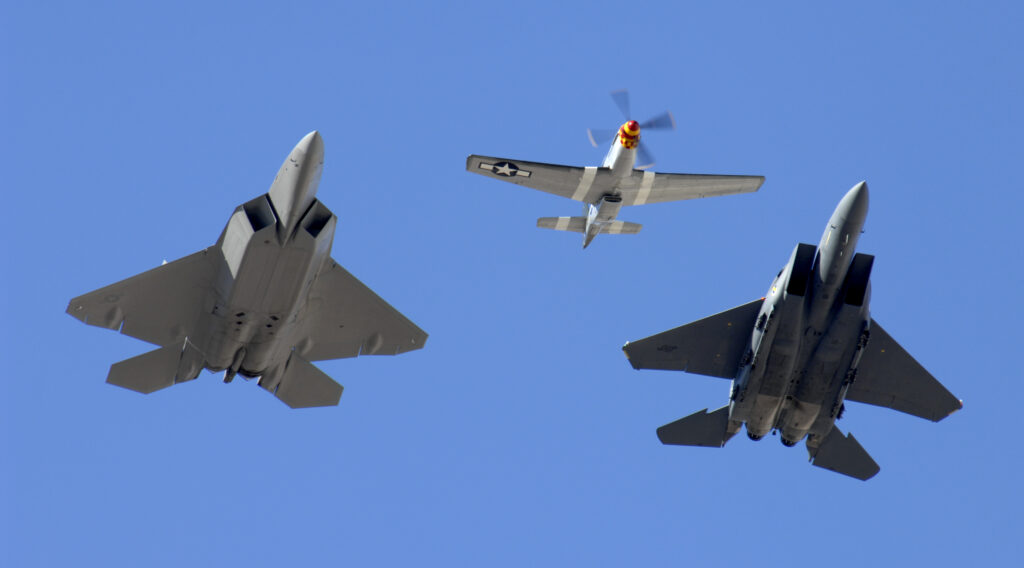
Fourth- and fifth-generation fighter labels describe broad groups of capabilities. This comparison focuses on stealth, sensors, avionics and how they
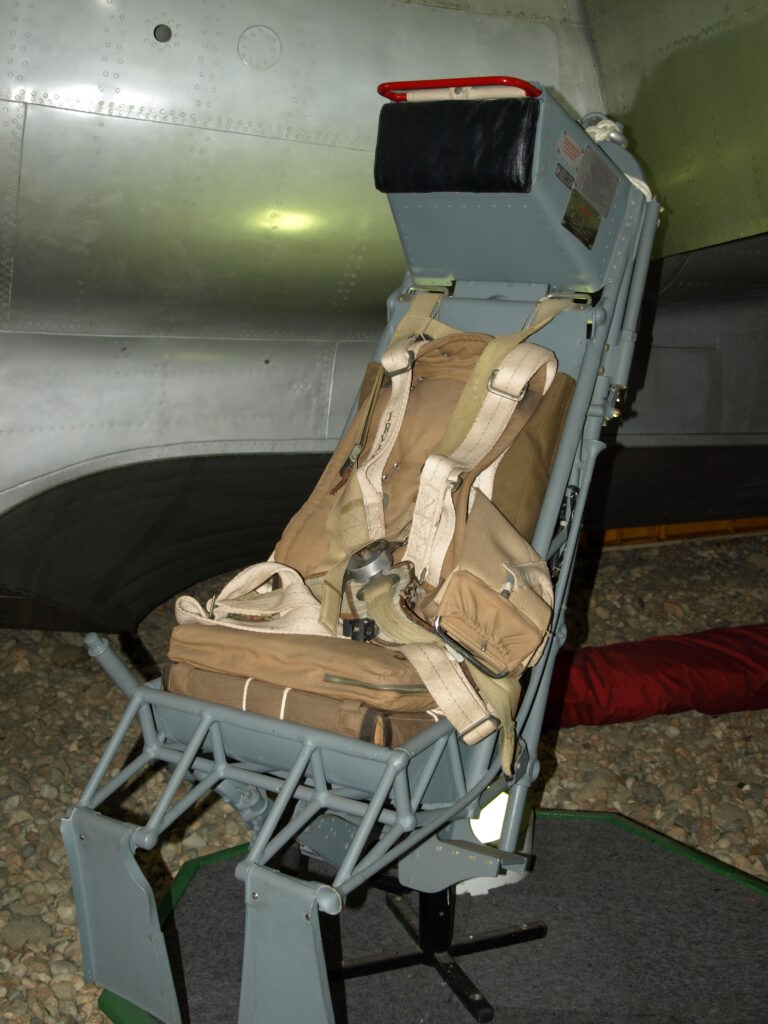
In the fraction of a second between a pilot pulling the ejection handle and clearing the aircraft, a sequence of
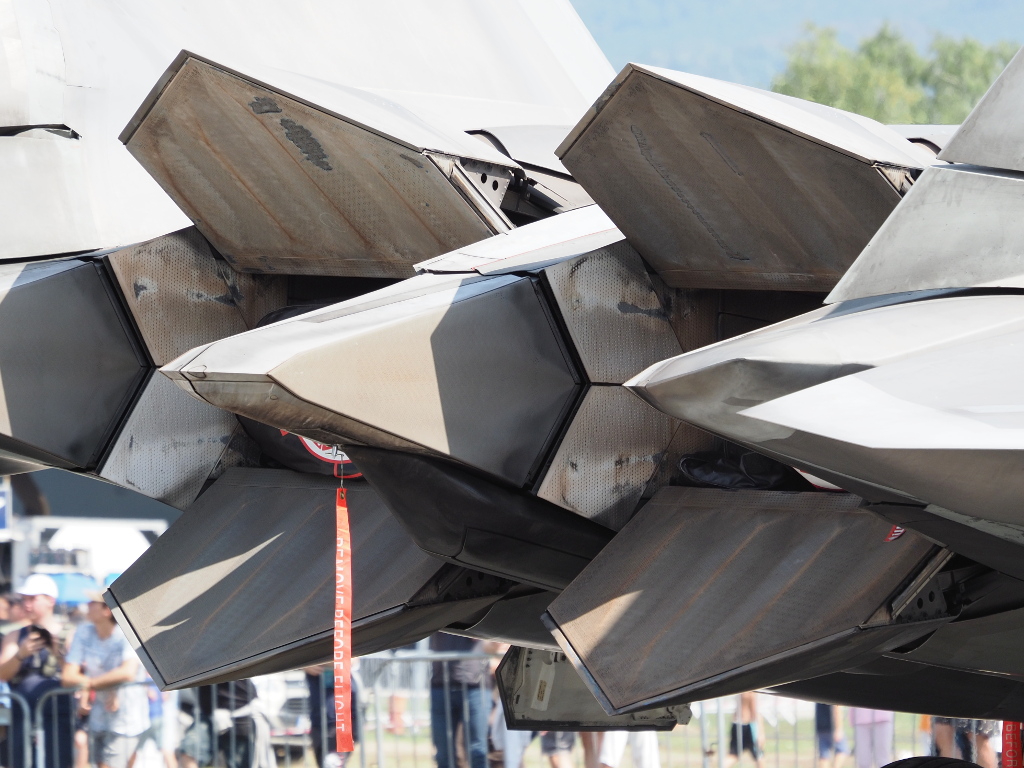
Thrust vectoring redirects engine exhaust so the resulting force can help control an aircraft’s attitude. It can supplement aerodynamic control
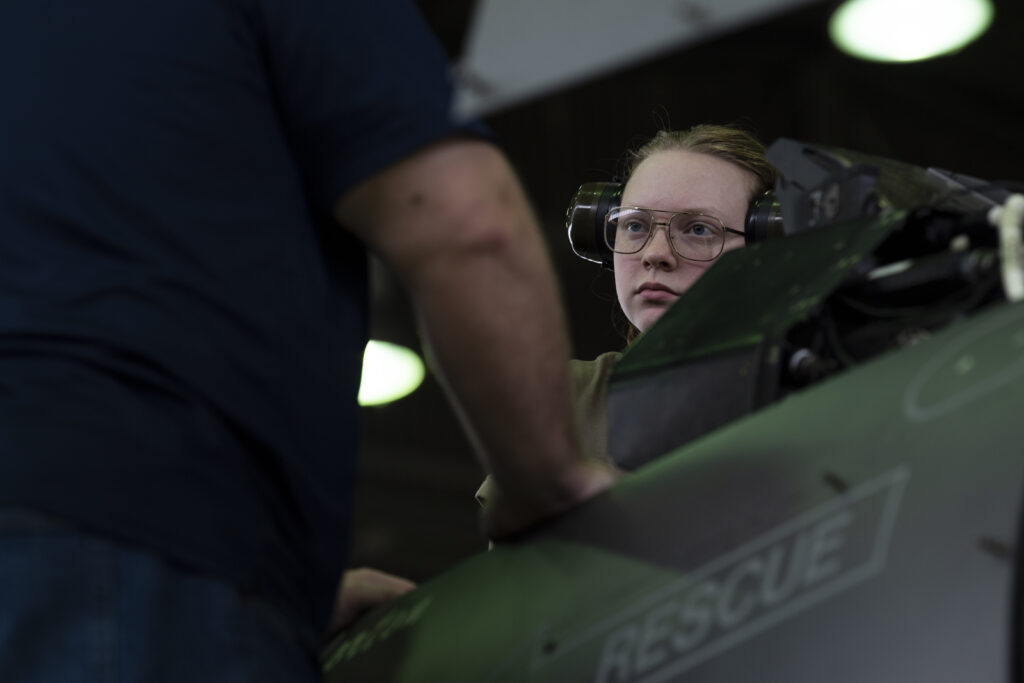
AESA and PESA radars both steer a beam electronically. Their main difference is how they generate and distribute radio-frequency power.
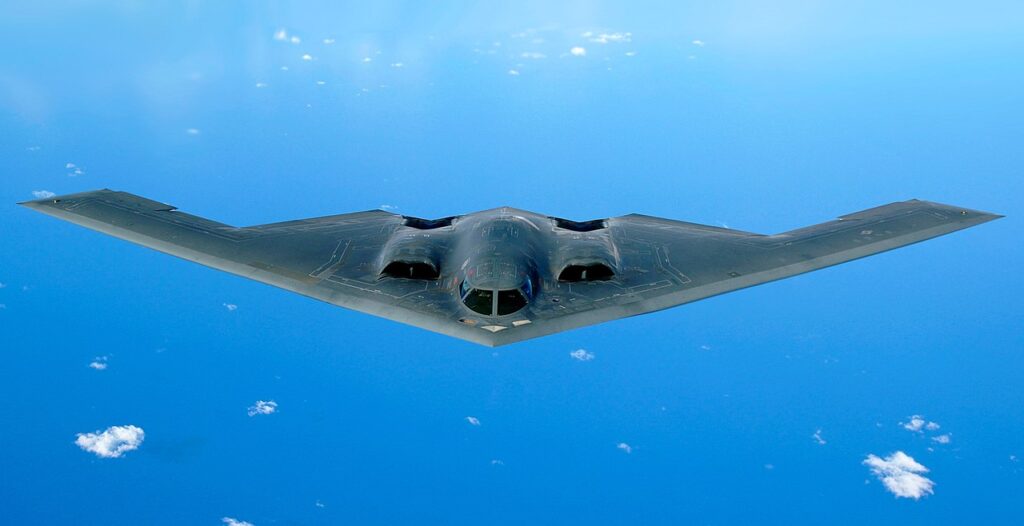
Stealth aircraft use shape, materials and signature management to reduce detectability. Their radar return is not a fixed marble, golf
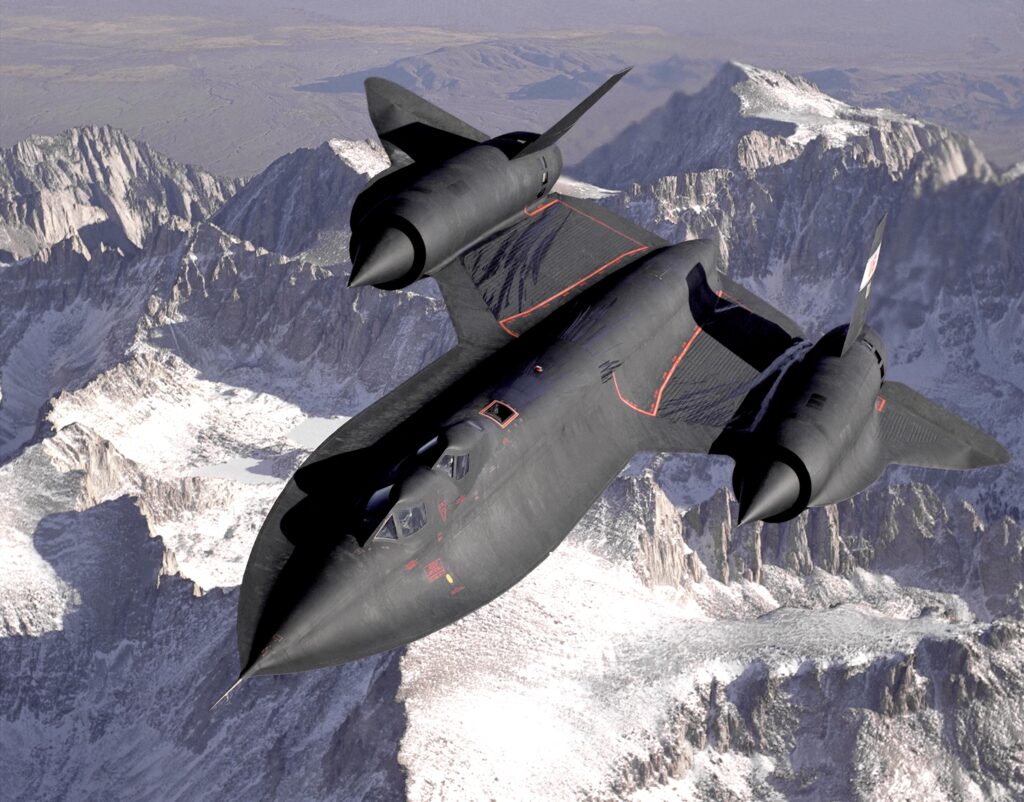
Every supersonic aircraft — from the Bell X-1 to the F-35 Lightning II — relies on one fundamental principle: Newton’s