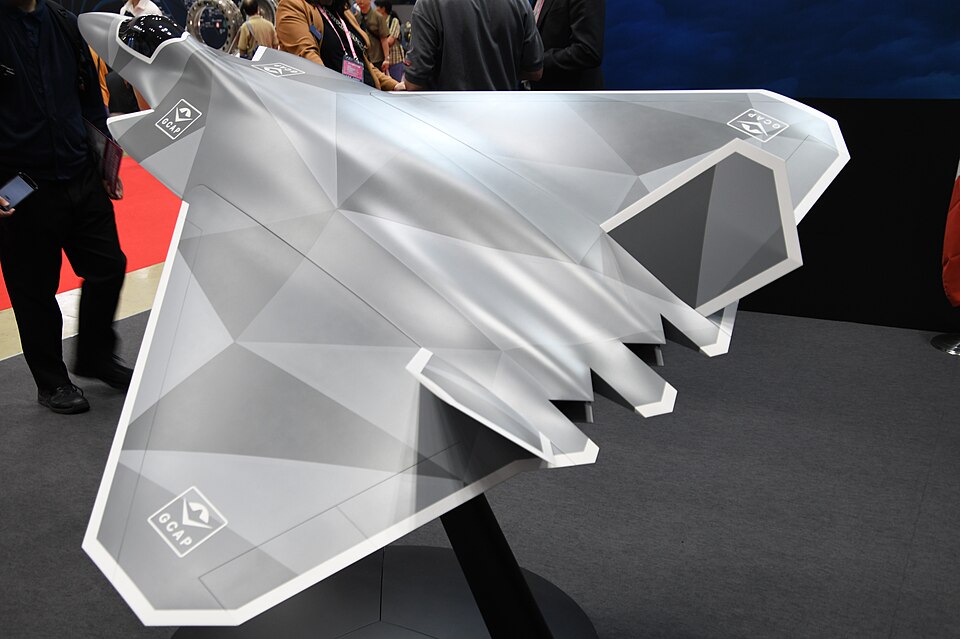
The FCAS/SCAF crewed fighter partnership reached a major turning point in June 2026. In a June 10 French Senate answer, France’s defence minister acknowledged Germany’s intention to end SCAF, while saying France would continue to build on the technology investment. She described eight years and €2.5 billion of French investment; this is a different scope from the original article’s unsourced nine-year, roughly €4 billion program-wide figure.
The cause was not technology but politics: an irreconcilable fight over workshare, with France’s Dassault reportedly demanding up to 80% of the fighter. Only the program’s “combat cloud” connectivity pillar survives.
Europe Splinters — Then Regroups
The fallout was immediate. Within days, an Airbus-led “Team Gen 6” of German and Spanish firms formed to press on without Dassault, Germany floated buying more F-35s as a bridge, and the UK–Italy–Japan GCAP / Tempest program began openly courting Berlin.
What It Means
The change reshapes Europe’s next-generation fighter partnerships, but does not establish that GCAP is the only credible path or that France has stopped pursuing a new aircraft. The French minister said Franco-German connectivity cooperation would continue. Any future German or Spanish entry into GCAP remains a separate policy decision. This episode illustrates the difficulty of reconciling operational needs, intellectual property and industrial workshare across national programs.