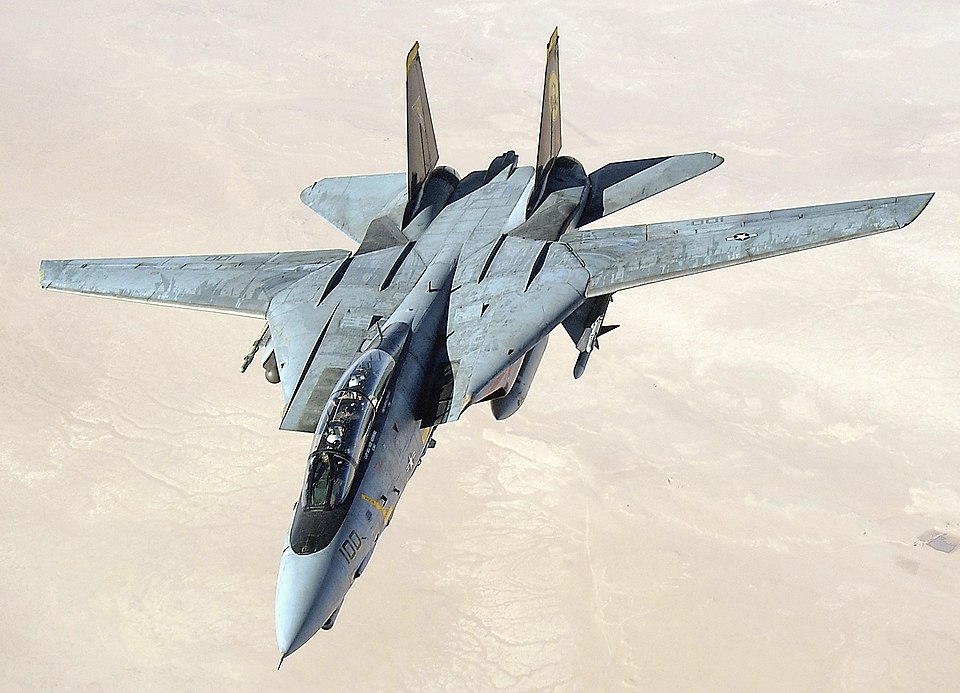
An afterburner turns a normal jet engine into a rocket-like thrust machine by adding raw fuel to the hot exhaust stream and igniting it. The result is a spectacular blue-white flame stretching behind the aircraft and a thrust increase of roughly fifty percent or more. Fighter pilots use afterburner for takeoff, supersonic acceleration, combat maneuvering, and escape. The cost is a fuel burn rate high enough to empty tanks in minutes.
Understanding the chemistry of afterburning is understanding why modern fighters fly the way they do, and why engineers work so hard to develop engines like the F-35’s F135 and future adaptive cycle engines that deliver more thrust with less fuel.
The Basic Chemistry of Combustion
A jet engine burns kerosene in compressed air. The core combustor mixes fuel with a portion of the incoming air at ratios that produce complete combustion and temperatures high enough to extract useful work in the turbine. Typical core combustion temperatures reach roughly 1,500 to 2,000 degrees Celsius, limited by what the turbine blades can survive.
The critical point is that the core combustor does not use all the oxygen in the incoming air. It uses only a fraction, because turbine materials cannot survive the temperatures that full stoichiometric combustion would produce. The rest of the air passes around the combustor as cooling flow and ends up in the exhaust stream still carrying plenty of unburned oxygen.
That leftover oxygen is the key to the afterburner. If you can add fuel to the exhaust stream and ignite it, you get another round of combustion, adding energy to the gas flow just before it expands through the final nozzle.
How the Afterburner Physically Works
The afterburner, sometimes called a reheat in British engineering tradition, is essentially a long duct between the turbine and the exhaust nozzle. Inside the duct are fuel injection spray bars and flame holders. When the pilot selects afterburner, fuel pumps surge extra kerosene into the spray bars, which spray it into the hot exhaust flow.
The flame holders, often called V-gutters because of their cross-section, create low-velocity zones where the flame can anchor. Without them, the flame would blow downstream and go out because exhaust velocities are higher than normal flame propagation speeds. The gutters hold a stable flame against the torrent of hot gas rushing through the duct.
As the additional fuel burns, exhaust temperature climbs dramatically, often exceeding 1,700 degrees Celsius at the nozzle. The gas expands faster, producing higher exhaust velocity and therefore greater thrust. The exhaust nozzle itself is variable-geometry to handle the much higher gas flow without stalling the engine.
Why Afterburner Thrust Is So Expensive
Afterburner thrust is thermodynamically inefficient. The core engine extracts work from combustion through a compressor-turbine cycle. The afterburner simply dumps fuel into already-hot exhaust and burns it without any compression-expansion cycle to extract useful work efficiently. The thrust rise per pound of fuel burned in afterburner is a fraction of what the core engine delivers.
Typical figures: a modern afterburning turbofan like the F110 or F135 might burn fuel in afterburner at three to four times the rate of military power, for only fifty percent more thrust. An F-16 at full afterburner can empty its internal fuel tanks in about ten minutes of level flight. Sustained supersonic flight in afterburner is simply not possible for most fighters without refueling.
This is why supercruise, the ability to sustain supersonic flight without afterburner, is such a prized capability. The F-22, Typhoon, and some other aircraft can push past Mach 1.5 on dry thrust alone, giving them endurance and tactical flexibility that afterburner-dependent fighters lack.
Afterburner Ignition and Stability
Lighting the afterburner is more complicated than it sounds. At some flight conditions the exhaust is hot enough to auto-ignite added fuel; at others it is not. Most engines use small torch igniters or pilot flames to initiate afterburner combustion, and then the main fuel flow ramps up once the flame is stable.
Instability is a real danger. Pressure oscillations in the afterburner duct, known as screech, can destroy the engine in seconds if they reach resonant frequencies. Engineers work hard to design flame holders, fuel distribution patterns, and acoustic liners that damp these oscillations. This is one reason each afterburning engine design takes years to mature.
The classic blue-white flame of an afterburning fighter is actually a combination of several layers. The inner core is nearly invisible because combustion is complete there. The blue is hot hydrogen and carbon plasma. The characteristic shock diamonds that stripe the exhaust are standing pressure waves where the supersonic exhaust alternately compresses and expands, producing bright and dark bands.
Variable Geometry and Mission Modes
Modern afterburning engines can modulate thrust across a wide range. Minimum afterburner, called “zone one” or “min burner” in pilot slang, adds a small thrust boost for aggressive climb. Maximum afterburner, “zone five” or “max burner,” delivers the full thrust available. Between these extremes, the engine controller adjusts fuel flow and nozzle area continuously.
The exhaust nozzle itself is a complex piece of engineering. A convergent-divergent design uses a variable-geometry throat to match the nozzle area to the flow conditions at each afterburner setting. Get the area wrong and the engine stalls, overheats, or simply fails to produce rated thrust. F-22 and some Russian fighters add thrust vectoring to the nozzle, allowing the exhaust direction to be steered in pitch or all three axes.
Pilots learn the thrust response characteristics of their engines the way motorcycle riders learn throttle response. A misjudged afterburner selection during a slow-speed dogfight can stall the aircraft. A delayed selection during a carrier takeoff can put the jet in the water. The afterburner is both the fighter pilot’s best friend and a constant reminder of how expensive combat power really is.
The Future: Adaptive Cycle Engines
Sixth-generation engines are moving beyond the classic afterburner architecture. Adaptive cycle engines, like the General Electric XA100 tested for the F-35 and the engines planned for the F-47, have a third airflow stream that can be opened or closed depending on mission needs. In cruise, the engine acts like a high-bypass turbofan for fuel efficiency. In combat, it shifts to a low-bypass turbojet for maximum thrust.
This architecture promises significantly better fuel burn at cruise while still delivering high-power combat performance. It also opens the possibility of sustained supersonic flight without the fuel penalty of traditional afterburning.
Afterburners will not disappear completely. They remain the cheapest way to add raw thrust when needed. But the era of the fighter pilot watching the fuel gauge plummet every time they select max burner may finally be coming to an end.
Key Takeaways
- Afterburners inject fuel into the exhaust stream to burn leftover oxygen and boost thrust by about fifty percent.
- The technology is thermodynamically inefficient, consuming fuel three to four times faster than military power.
- Flame holders and variable-geometry nozzles are critical to stable afterburner operation.
- Supercruise-capable fighters can fly supersonically without the huge fuel penalty of afterburning.
- Adaptive cycle engines may eventually replace traditional afterburner architectures in sixth-generation fighters.