ESA and Vast signed a new cooperation memorandum on October 5, 2026, at the International Astronautical Congress in Türkiye. The agreement starts a three-year framework for studying future work in low Earth orbit, including astronaut access to Haven stations. A feasibility study is intended to lead to a roadmap and an indicative timetable for binding agreements. The October 5 announcement describes preparation for the period after the International Space Station.
Cooperation has a history
This is a continuation of an existing relationship. ESA’s June 2024 memorandum explored access for European astronauts and research, opportunities for European equipment suppliers, and future transport and docking services. The new document replaces that earlier memorandum. Its practical scope includes possible research campaigns, infrastructure contributions and transport interfaces; these remain subjects for further work.
A roadmap is different from an operating station
Vast’s current company roadmap lists Haven-1 for 2027 and a four-module Haven-2 configuration for 2030, following a first module targeted for 2028. These are development plans, not completed station deployments. The same roadmap records that the smaller Haven Demo technology satellite launched in November 2025 and was deorbited in February 2026. A demonstrator’s completed flight should be distinguished from the larger crewed stations it helps develop.
Why the post-ISS transition matters
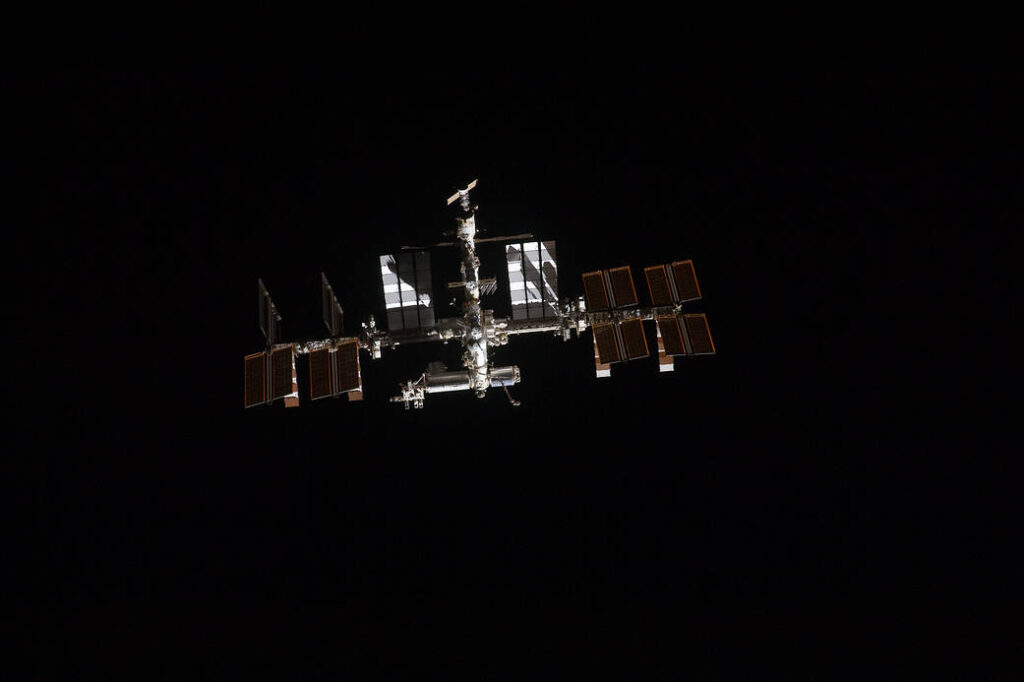
NASA’s commercial-station strategy envisages buying services from commercially owned and operated facilities as the ISS approaches the end of its operational life in 2030. Its approach separates development and demonstration from later acceptance and service purchases. Maintaining access to microgravity is an objective; a successor’s readiness is something each program must establish.
Our reading: the useful milestone here is a structured process for examining future European access, rather than proof that a replacement station has already been selected or certified. Follow-on binding agreements, demonstrated hardware and a firm mission schedule would tell readers more about what can actually be delivered.
For background, explore our International Space Station profile and spacecraft encyclopedia.
Source dates: new ESA announcement, October 5, 2026; earlier memorandum, June 6, 2024. The company roadmap and NASA strategy were checked on October 7, 2026. This is an independent, AI-assisted news brief.