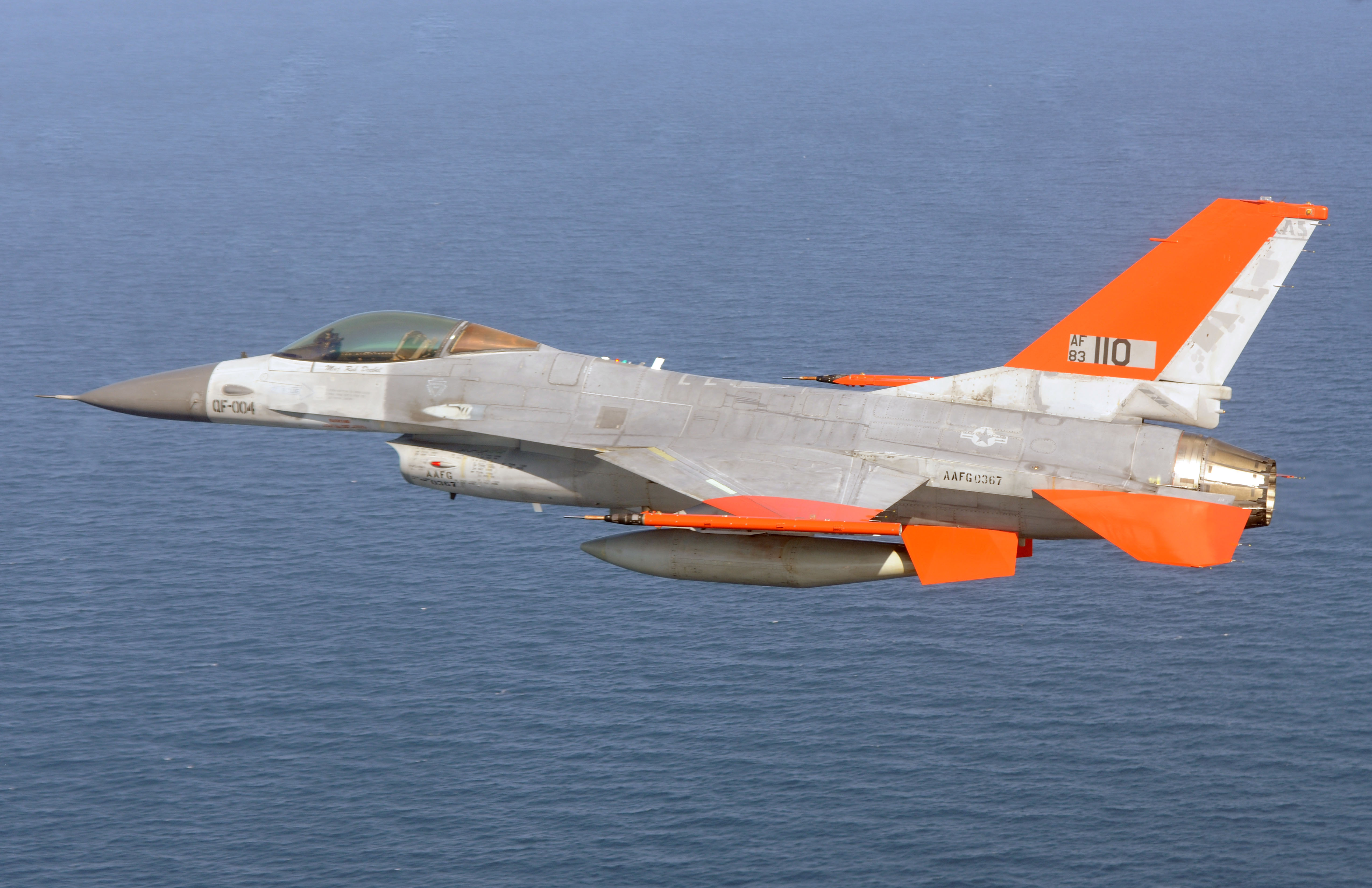
The U.S. Air Force Test Pilot School and Lockheed Martin Skunk Works have moved fighter-aircraft autonomy from simulated tracks to live sensor data. During the HAVE HEAT campaign, the F-16D-based X-62 VISTA completed 27 AI-controlled intercepts across eight flights against a crewed T-38 target aircraft.
Closing the Sensor-to-Maneuver Loop
A Lockheed Martin Legion Pod tracked the T-38 with infrared search-and-track sensors. That live data fed an onboard AI agent, which interpreted the target information and flew the X-62 into tactical intercept positions. The important step was the closed loop: a real sensor observed a real aircraft, autonomy processed the data, and the testbed maneuvered in response.
The tests demonstrated intercept geometry, not autonomous weapons employment. Safety pilots remained aboard the two-seat X-62, and no claim was made that an AI agent independently decided to fire a weapon.
An Open Flying Laboratory
A parallel effort called HAVE HOLIDAYS integrated third-party autonomy software, new computing hardware and safety constraints into the X-62’s open mission-system architecture. The next upgrade is planned to add an RTX PhantomStrike radar, more computing capacity and modern data links.
That modularity is central to the program: researchers can swap sensors and autonomy agents without rebuilding the entire aircraft. The work feeds the broader shift toward human-machine teaming described in our Collaborative Combat Aircraft guide.