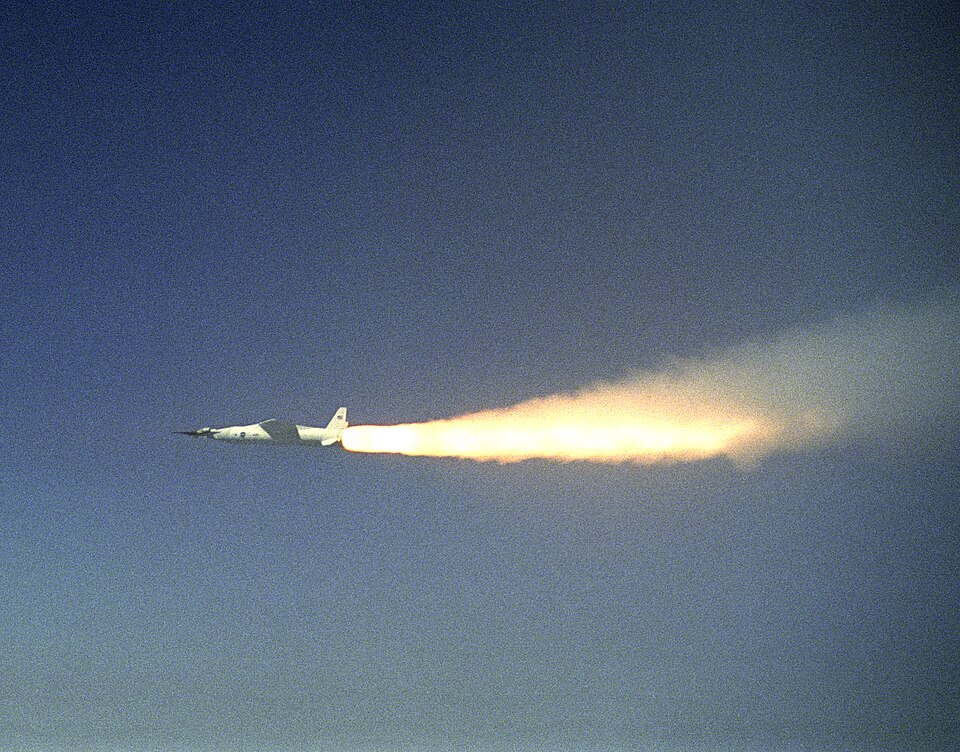
A new arms race is underway — and it’s happening at Mach 5 and above. The United States, China, and Russia are all developing hypersonic weapons that can strike targets thousands of miles away in minutes, traveling so fast that current missile defense systems cannot intercept them.
What Makes Hypersonic Weapons Different?
Traditional ballistic missiles also travel at hypersonic speeds, but they follow a predictable arc — launch, climb to space, and fall back down. This makes them trackable and (sometimes) interceptable.
The new generation of hypersonic weapons comes in two flavors:
- Hypersonic Glide Vehicles (HGVs): Launched on a rocket, then released to glide at Mach 5-10+ through the upper atmosphere. They can maneuver unpredictably, making interception nearly impossible. Example: China’s DF-ZF and Russia’s Avangard.
- Hypersonic Cruise Missiles: Powered by air-breathing scramjet engines throughout their flight. They fly lower and are even harder to detect. Example: Russia’s Zircon (3M22), the U.S. HACM (Hypersonic Attack Cruise Missile).
The Players
China
China is widely considered the leader in hypersonic weapons. The DF-ZF glide vehicle has been tested repeatedly and is believed to be operational, mounted on DF-17 medium-range ballistic missiles. In 2021, China tested a fractional orbital bombardment system that circled the globe before releasing a glide vehicle — a capability that stunned U.S. intelligence officials.
Russia
Russia claims to have deployed two hypersonic systems: the Avangard HGV (mounted on ICBMs, supposedly capable of Mach 27) and the Kinzhal air-launched ballistic missile (Mach 10, carried by MiG-31 interceptors). Russia used Kinzhals in the Ukraine conflict, though their effectiveness has been debated.
United States
The U.S. has been playing catch-up after years of underfunding. Key programs include:
- LRHW (Long Range Hypersonic Weapon): Army’s ground-launched boost-glide system, named “Dark Eagle”
- HACM: Air Force scramjet cruise missile, under development by Raytheon
- CPS (Conventional Prompt Strike): Navy’s submarine-launched boost-glide weapon
Why Defense Is So Hard
Intercepting a hypersonic weapon is like trying to hit a bullet with another bullet — while the first bullet is swerving. HGVs fly in a “depressed trajectory” (lower than ballistic missiles), giving ground-based radars less time to detect them. Their ability to maneuver makes trajectory prediction almost impossible.
Current missile defense systems like THAAD and Aegis are designed for ballistic trajectories. New sensors — including space-based infrared satellites — and new interceptors are being developed, but a reliable defense against maneuvering hypersonic weapons remains years away.
What It Means for the Future
Hypersonic weapons don’t just add speed — they compress decision time. A hypersonic missile traveling at Mach 8 covers 100 miles in about 75 seconds. Political and military leaders would have minutes, not hours, to decide how to respond. This time compression raises serious concerns about escalation risk and the potential for miscalculation.
The hypersonic arms race is reshaping military strategy and driving new investments in detection, tracking, and interception technologies. It’s also accelerating the development of hypersonic aircraft engines — both military and, eventually, civilian.
Explore hypersonic aircraft in our Speed Comparison chart and learn about the engines that power these incredible speeds.