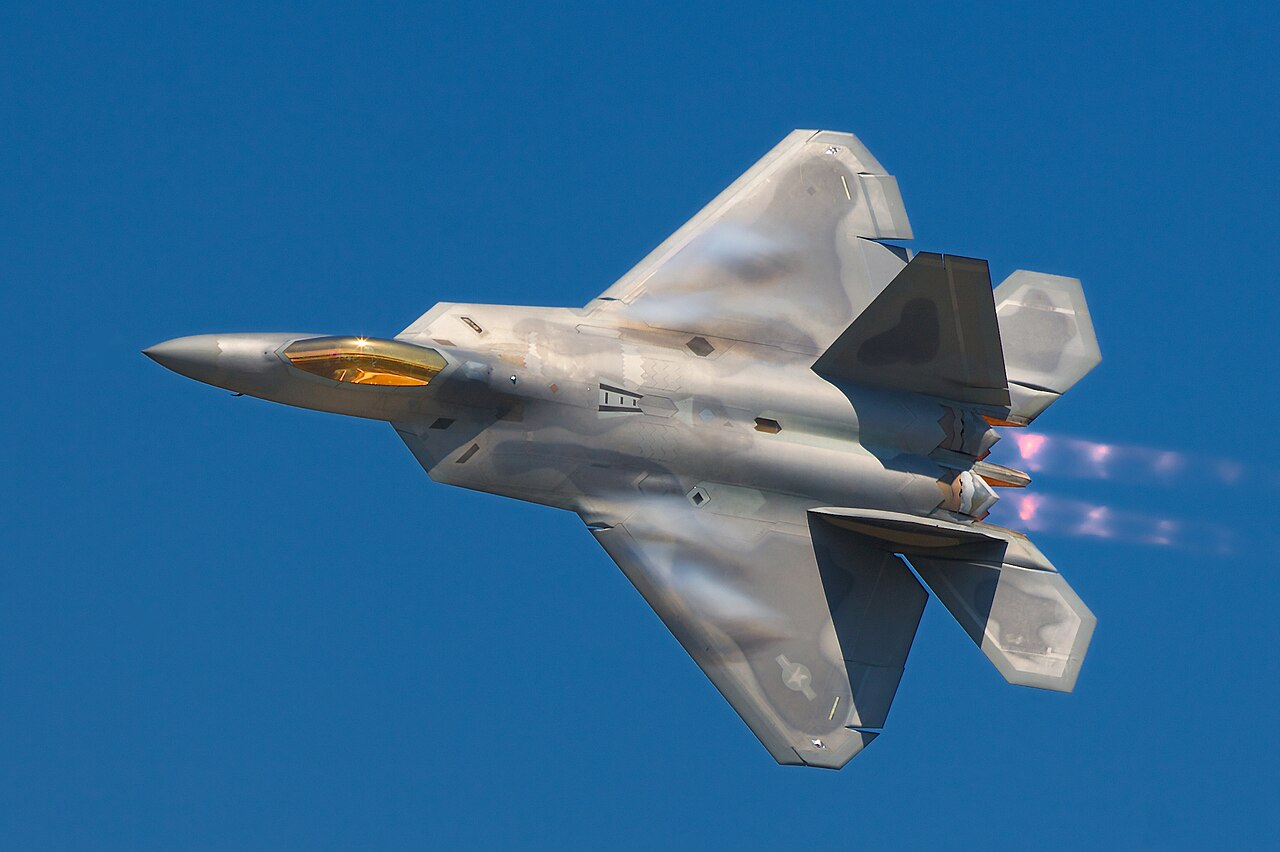
On February 21, 2024, Turkey’s domestically developed TAI Kaan stealth fighter completed its maiden flight from TAI facilities in Ankara. Turkey became only the fourth country to fly a domestically designed 5th-generation fighter, after the United States (F-22), China (J-20), and Russia (Su-57).
What Is the Kaan?
The Kaan (formerly known as TF-X or MMU — Milli Muharip Uçak, “National Combat Aircraft”) is a twin-engine, stealth, multirole air superiority fighter developed by Turkish Aerospace Industries (TAI). It’s designed to replace Turkey’s aging fleet of F-16 Fighting Falcons and fill the gap left when Turkey was expelled from the F-35 program in 2019 after purchasing Russia’s S-400 missile system.
Key specifications:
- Crew: 1 (single-seat)
- Engines: Twin-engine (initially General Electric F110s, with planned indigenous TEI engine later)
- Stealth: Internal weapons bays, radar-absorbing materials, low-RCS design
- Speed: Supercruise capability planned for Block 2
- Target operational date: 2030s
- Prototypes: 3 planned
Why It Matters
The Kaan represents Turkey’s ambition to become a major defense exporter and reduce dependence on foreign military technology. After being removed from the F-35 consortium — a painful blow to Turkey’s air force modernization plans — Ankara accelerated its indigenous fighter program.
The aircraft is also intended for export. Several countries that can’t access F-35s (due to cost, politics, or availability) are potential customers, including Pakistan, Malaysia, and Azerbaijan.
Challenges Ahead
The maiden flight was a major milestone, but significant work remains:
- Engine dependency: The initial prototypes use American GE F110 engines. Turkey needs to develop its own engine (the TEI TF-35000) for true independence
- Avionics maturity: The AESA radar and electronic warfare suite need extensive testing
- Stealth validation: Achieving true 5th-gen stealth performance requires years of refinement
- Production timeline: Full operational capability isn’t expected until the mid-2030s
The first flight began a test program; engine development, systems integration and production remain separate challenges.
See the TAI Kaan in our aircraft encyclopedia.