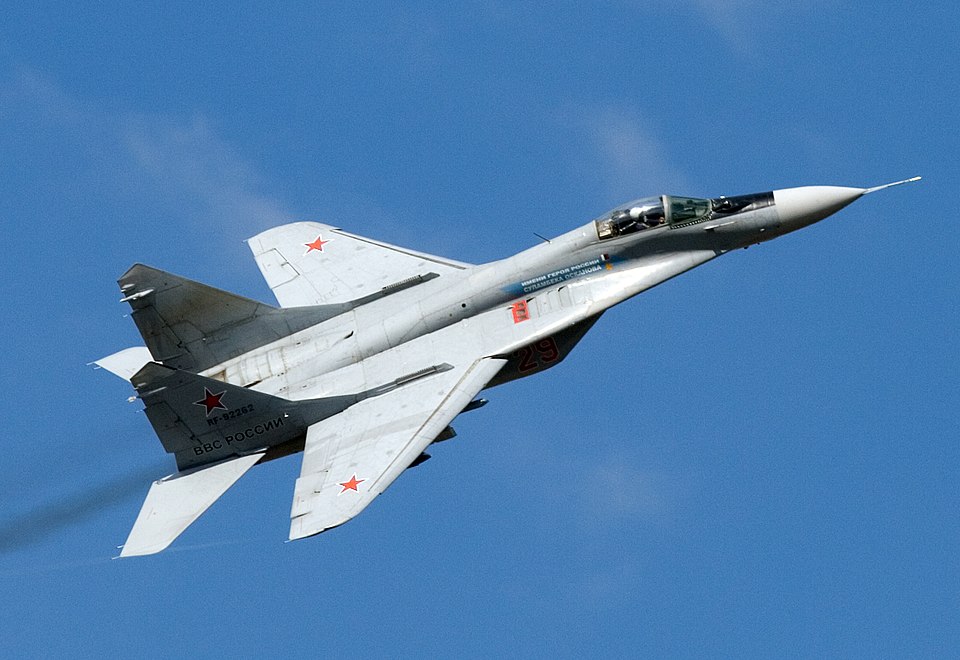
Mikoyan MiG-29 Fulcrum
MiG-29 Fulcrum 📷 Photo: Wikimedia Commons The MiG-29 was designed as a lightweight air superiority fighter to counter the American […]
The 1960s and 1970s brought the SR-71, MiG-25, variable-sweep aircraft and the first supersonic airliners.
MiG-29 Fulcrum 📷 Photo: Wikimedia Commons The MiG-29 was designed as a lightweight air superiority fighter to counter the American […]
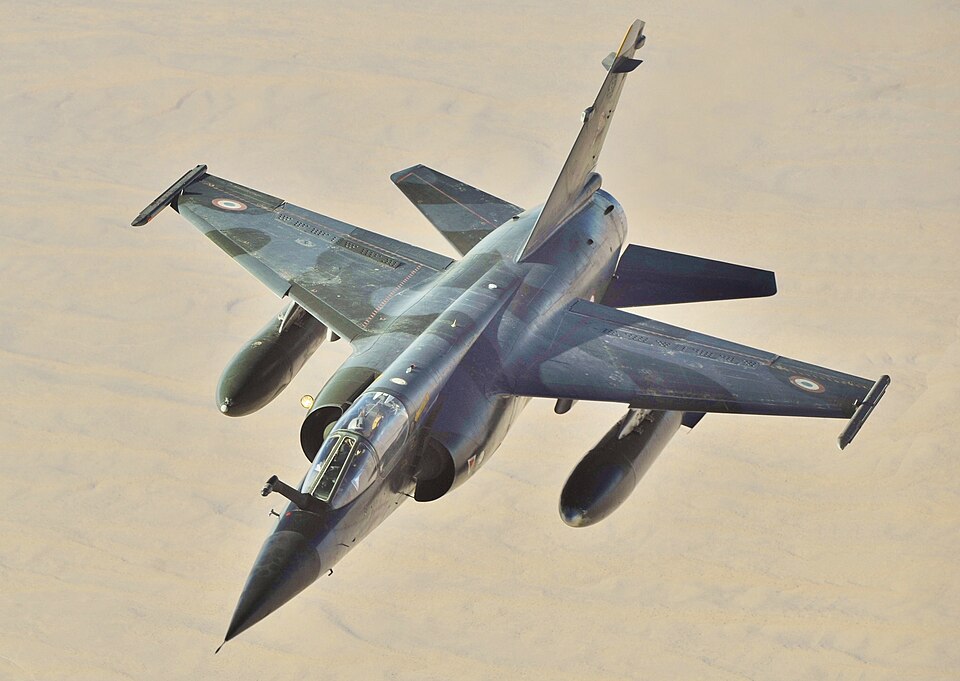
Overview 📷 Photo: Wikimedia Commons The Dassault Mirage F1 uses a high-mounted swept wing and a separate tailplane. It followed
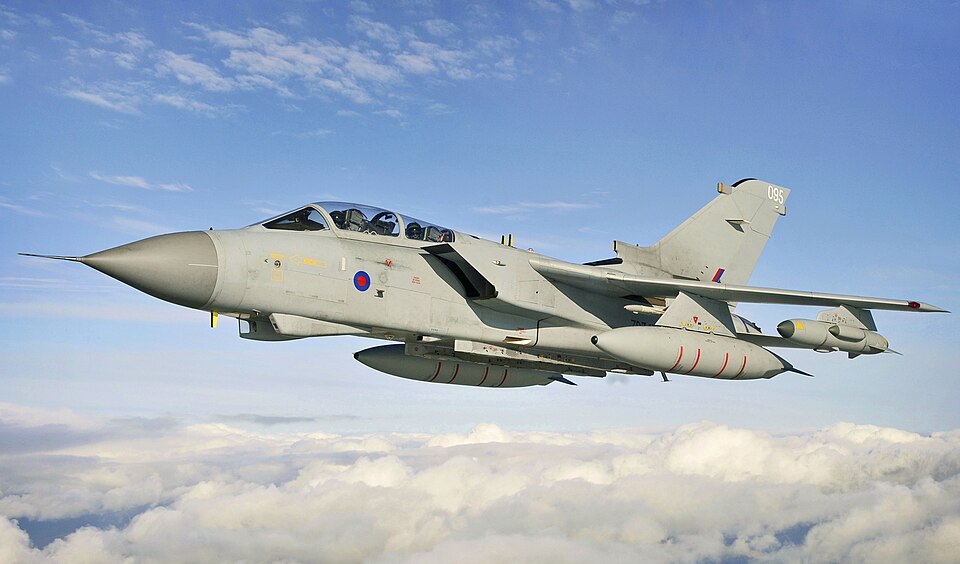
Overview 📷 Photo: Wikimedia Commons The Panavia Tornado is a two-seat, twin-engine aircraft developed by Britain, Germany and Italy. Its
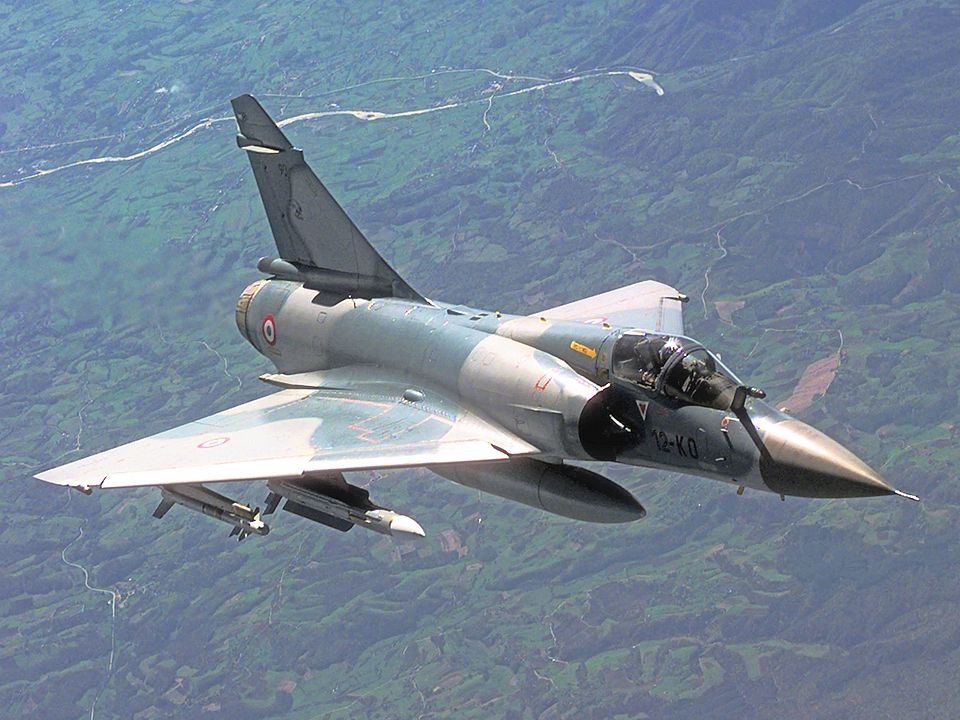
Overview 📷 Photo: Wikimedia Commons The Mirage 2000 brought fly-by-wire technology to the classic delta wing formula, creating a fourth-generation
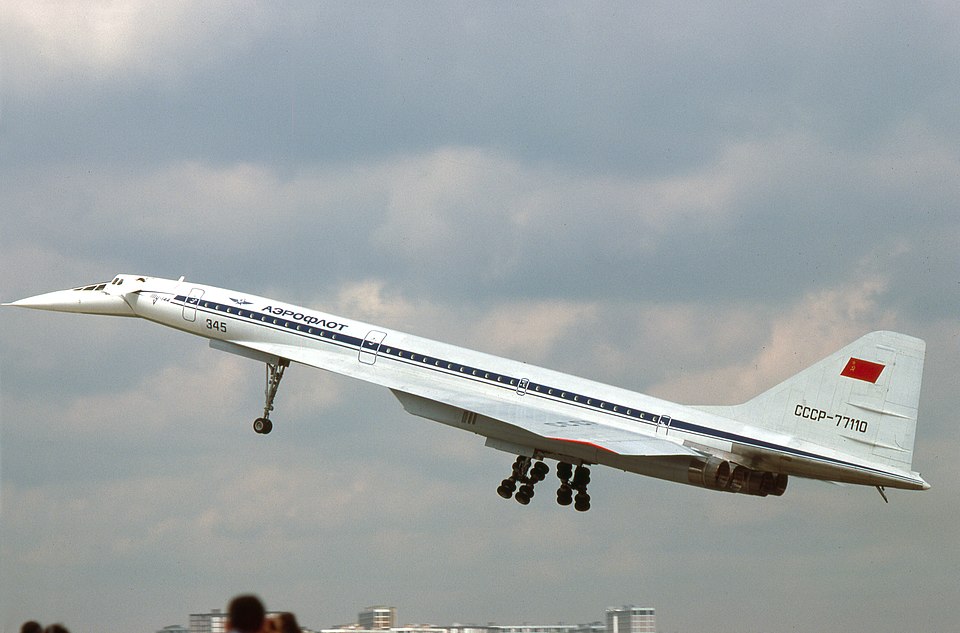
Overview The Tu-144 was the first supersonic transport to fly, on 31 December 1968. Its history spans early passenger aircraft,
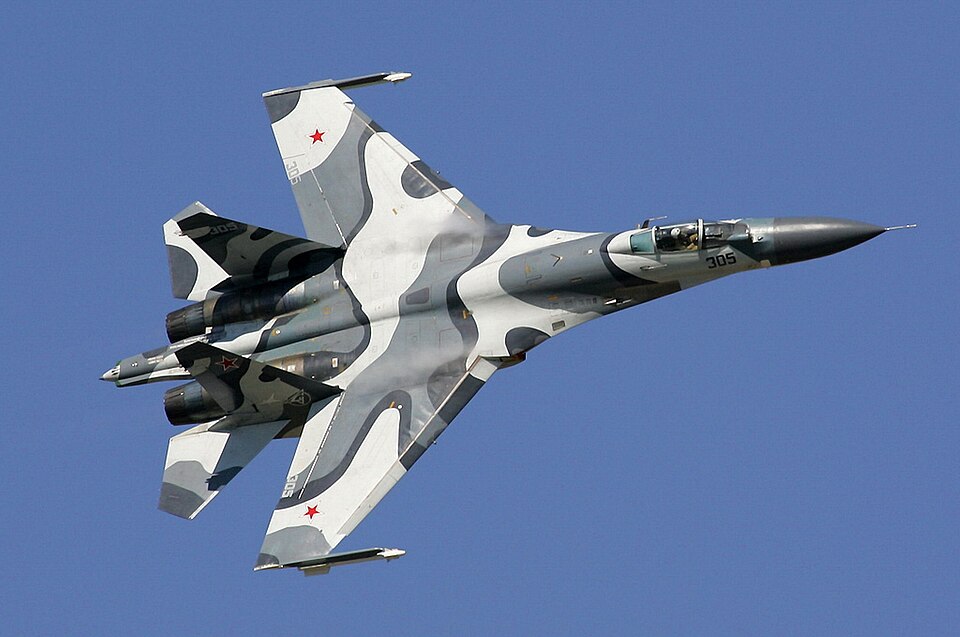
Overview The Sukhoi Su-27 is a Soviet-designed fighter developed for air superiority. The first T-10-1 prototype flew on 20 May
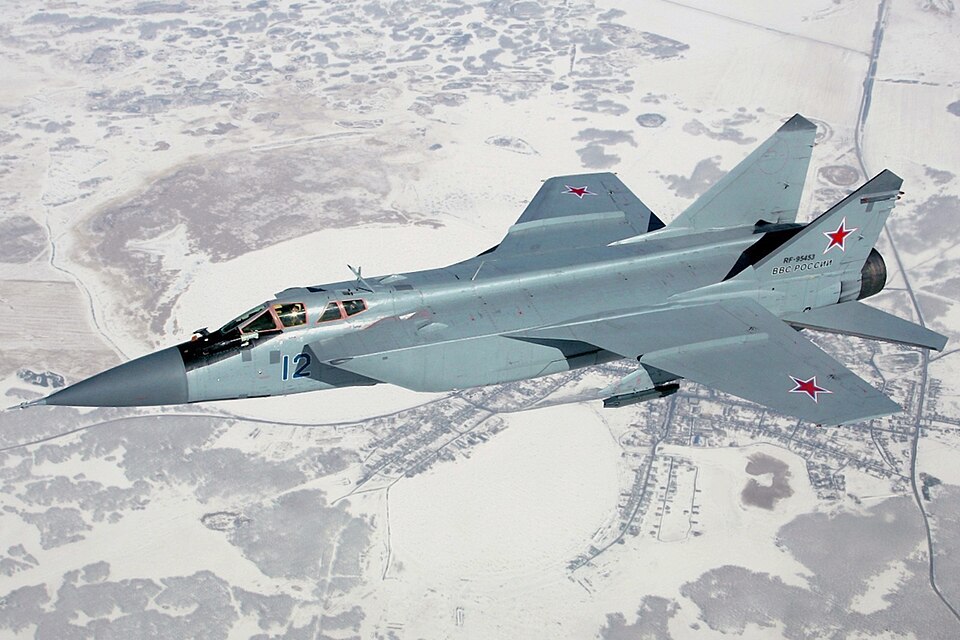
Overview 📷 Photo: Wikimedia Commons The MiG-31 Foxhound is a two-seat interceptor developed from the MiG-25. Its published maximum speed
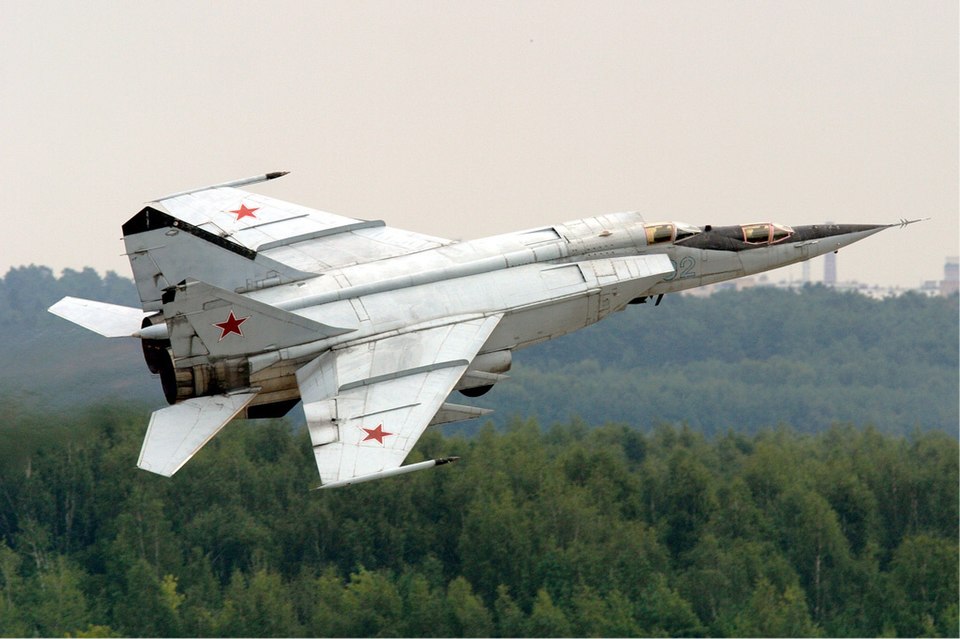
Overview 📷 Photo: Wikimedia Commons The MiG-25 Foxbat was a Soviet high-altitude interceptor and reconnaissance aircraft. The U.S. Air Force
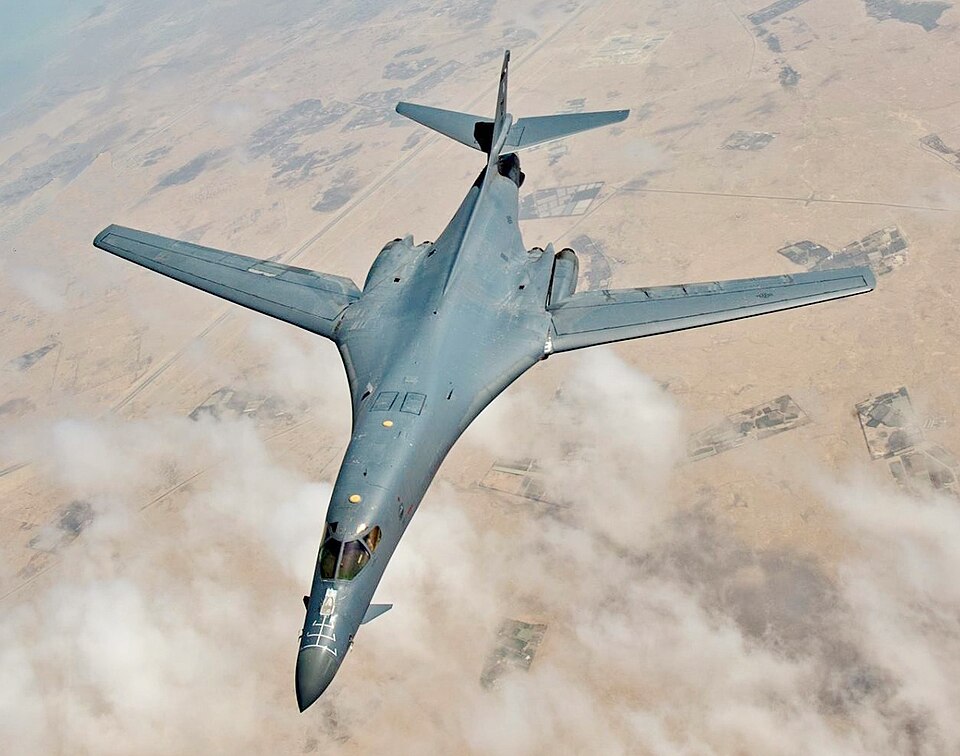
Overview 📷 Photo: U.S. Air Force The B-1B Lancer is a four-engine, variable-sweep-wing bomber used by the U.S. Air Force
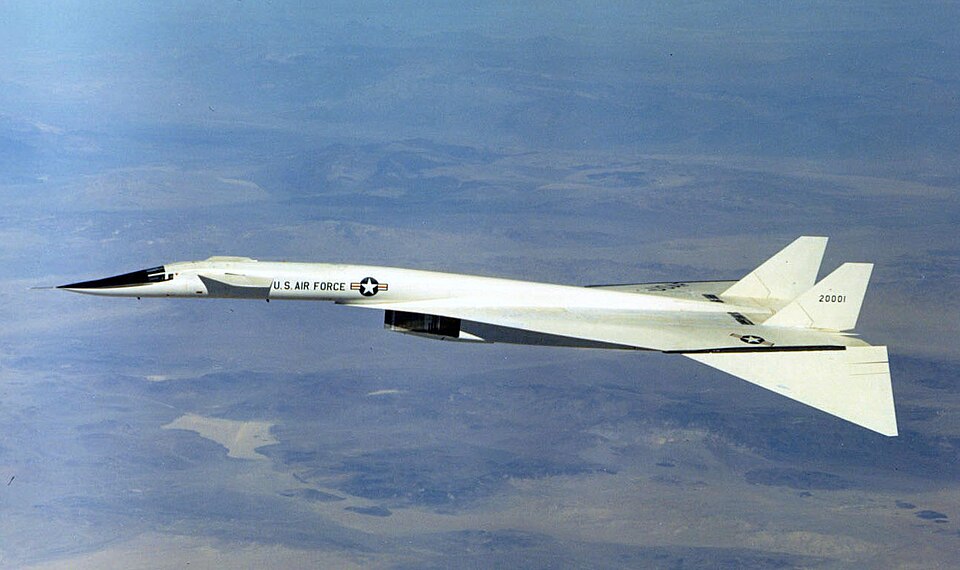
Overview 📷 Photo: NASA The North American XB-70A was built to study large-aircraft flight near Mach 3 after the operational