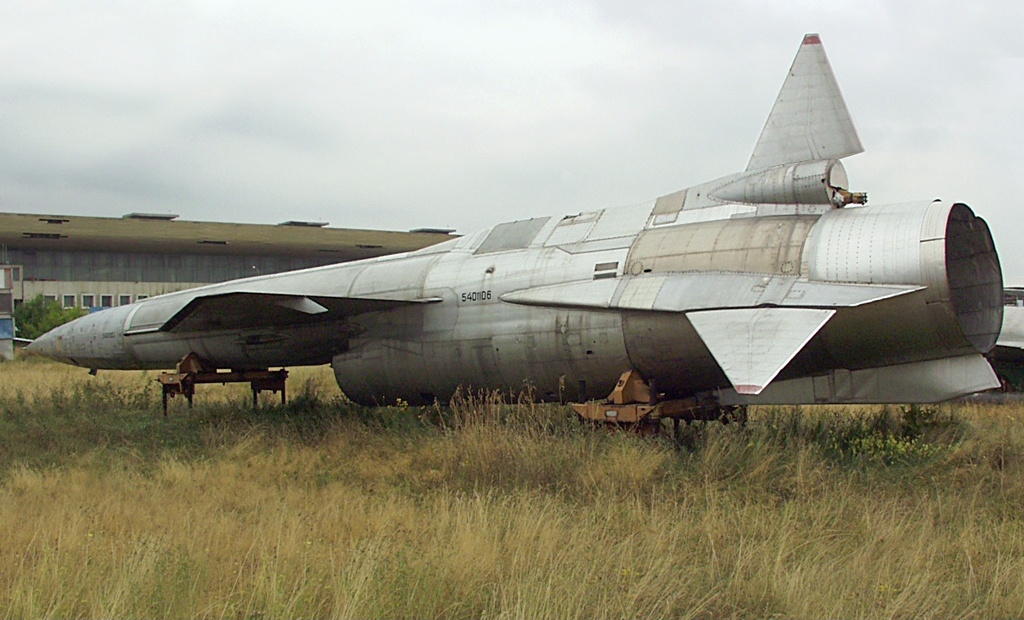
Tupolev Tu-123 Yastreb
Overview 📷 Photo: Sergey Ryabtsev, via Wikimedia Commons (GFDL 1.2) The Tupolev Tu-123 Yastreb (“Hawk”), officially designated DBR-1, was a […]
The 1960s and 1970s brought the SR-71, MiG-25, variable-sweep aircraft and the first supersonic airliners.
Overview 📷 Photo: Sergey Ryabtsev, via Wikimedia Commons (GFDL 1.2) The Tupolev Tu-123 Yastreb (“Hawk”), officially designated DBR-1, was a […]
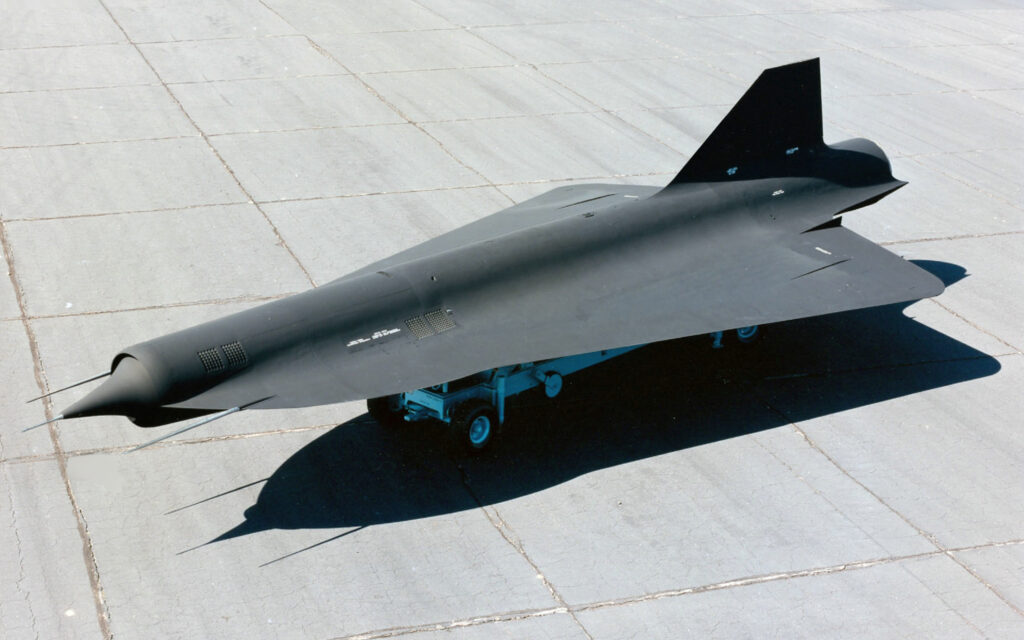
Overview 📷 Photo: U.S. Air Force / National Museum of the United States Air Force (public domain) The Lockheed D-21
Japan’s first indigenous supersonic aircraft — a 1970s supersonic trainer that became the basis for the F-1 strike fighter and re-established Japanese fighter manufacturing.
The CIA’s A-12 flew BLACK SHIELD reconnaissance missions in 1967–68. CIA reports Mach 3.29 in testing; its fifteen-aircraft inventory includes the trainer and two M-21s.
The F-16’s losing rival in the Lightweight Fighter program — but in losing, it became the F/A-18 Hornet and one of the most successful carrier fighters in history.
The classified proof-of-concept demonstrator that proved faceted stealth worked. Two were built, both crashed, but the program led directly to the F-117.
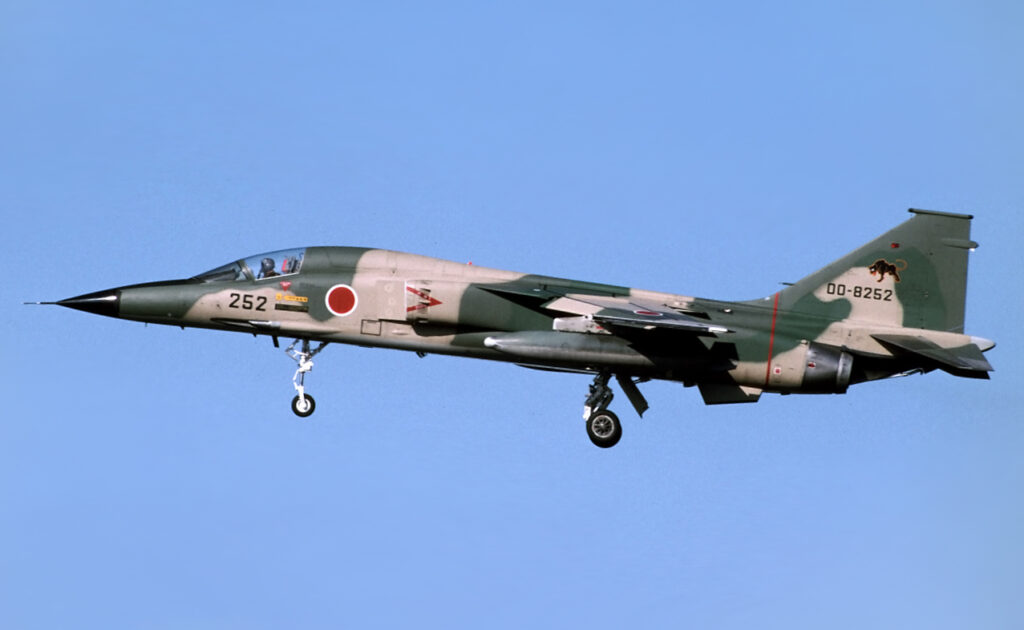
Overview 📷 Photo: Wikimedia Commons / JASDF The Mitsubishi F-1 was Japan’s first domestically designed and built supersonic combat aircraft.
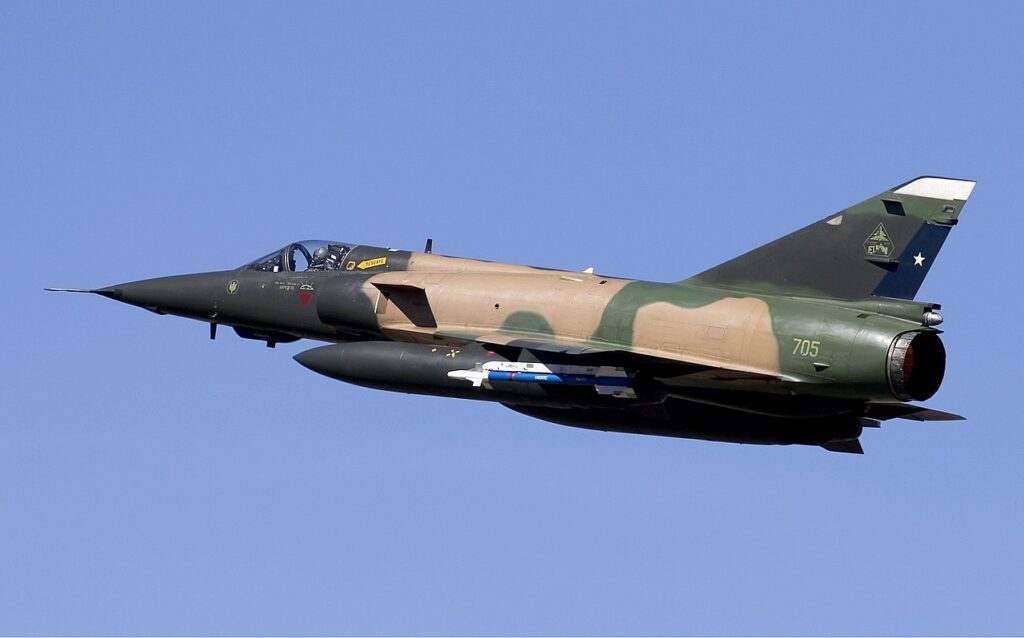
Overview 📷 Photo: Wikimedia Commons The Dassault Mirage 5 is a French supersonic attack aircraft and fighter-bomber designed by Dassault
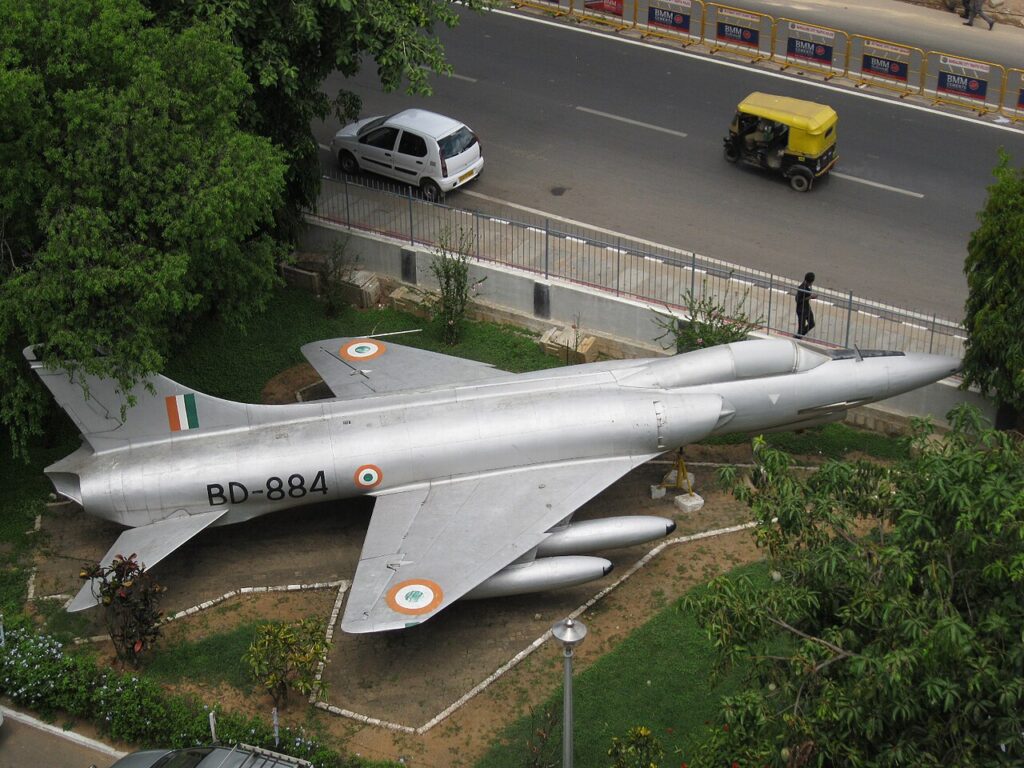
Overview 📷 Photo: Wikimedia Commons The HAL HF-24 Marut (“Spirit of the Tempest”) was India’s first indigenously developed jet fighter
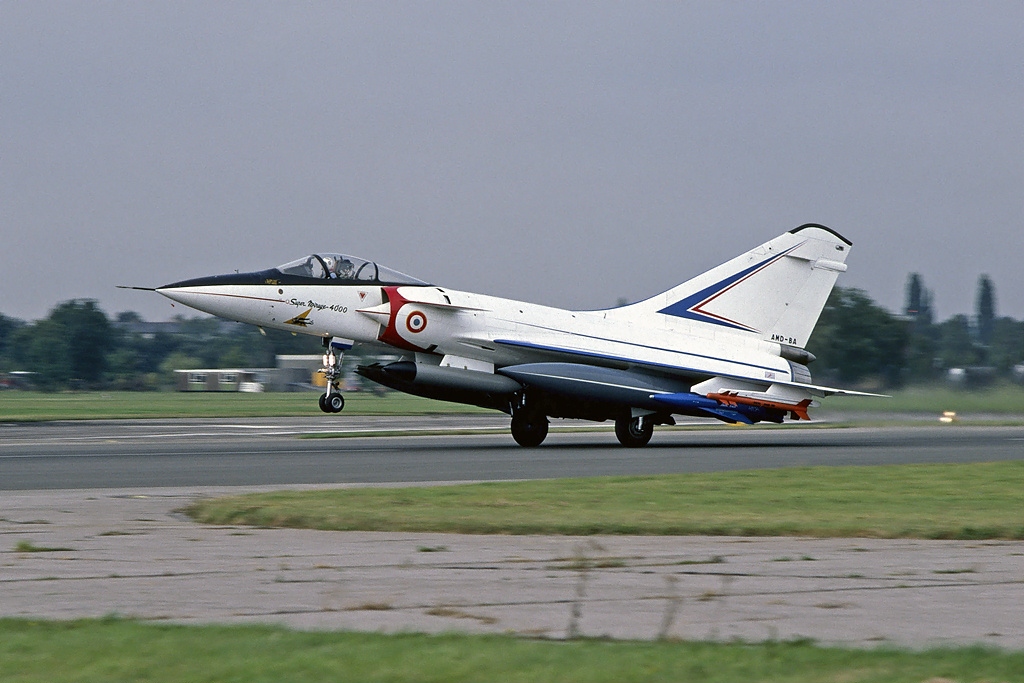
Overview 📷 Photo: Wikimedia Commons The Dassault Mirage 4000 (sometimes called the Super Mirage 4000) is a French prototype twin-engine